Show summary Hide summary
- How the exchange unfolded at the press moment
- Why the remark caught public attention
- Body language and power dynamics in press events
- Reactions from journalists and media commentators
- Legal and ethical perspectives on press behavior
- Broader context: patterns in public interactions
- Key moments and what to watch next
- What commentators are saying about gendered criticism
- How the public conversation might evolve
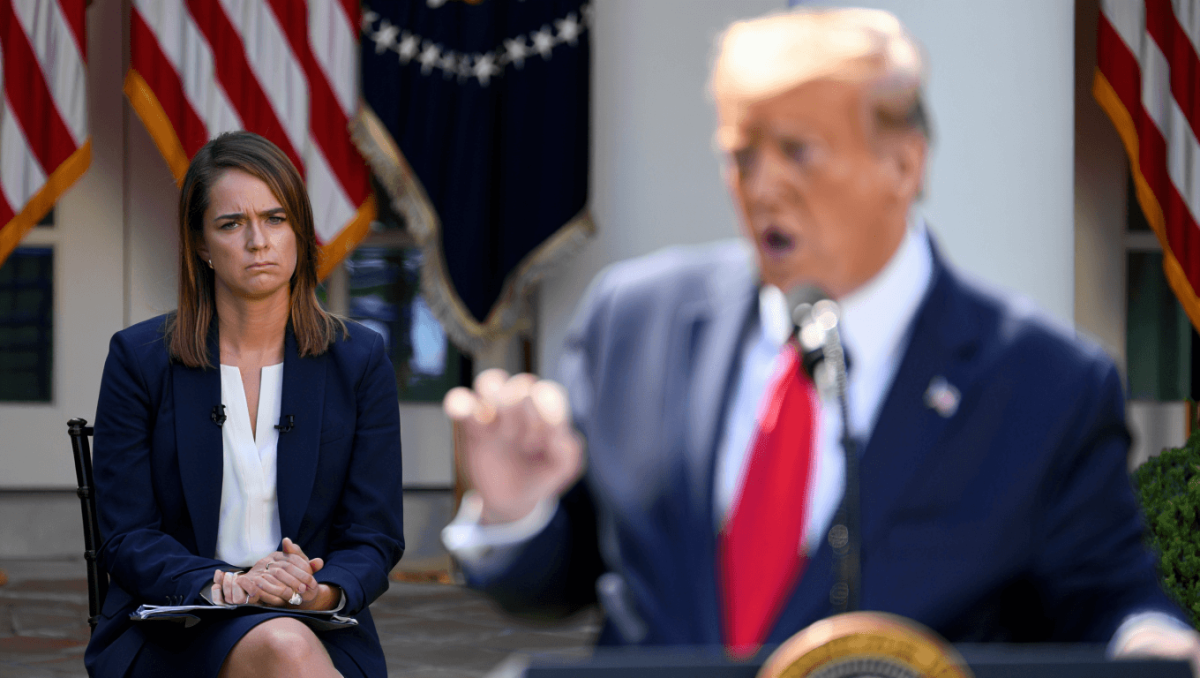
At a recent public appearance, former President Donald Trump interrupted a female reporter’s question and rebuked her for the tone and expression she used. The interaction quickly spread across social platforms and news outlets, sparking debate about press etiquette, gendered criticism, and how leaders respond to tough questions.
How the exchange unfolded at the press moment
Reporters pressed the former president on a policy issue. A woman in the press pool asked a follow-up. Instead of answering, Trump paused and addressed her demeanor.
Sophia Laforteza of Katseye announces hiatus: comes months after Manon Bannerman’s exit
Delta to return to Tokyo Narita hub in 2027: 7-year comeback
- The reporter asked a focused question about the subject on hand.
- Trump responded by commenting on her facial expression rather than the substance.
- The moment shifted from policy to personal critique within seconds.
Why the remark caught public attention
Short, pointed interactions between politicians and journalists often go viral. This one stood out because it echoed a pattern critics note when male leaders comment on women journalists’ appearances or tone.
- Social media amplified the clip within minutes.
- Viewers debated whether the response was appropriate for a public forum.
- Supporters and critics offered divergent readings of intent and impact.
Body language and power dynamics in press events
Experts say brief gestures and facial expressions carry weight in such settings. A leader’s remark about a reporter’s expression can redirect the story away from content and toward personal dynamics.
What nonverbal cues signal
- Eye contact and posture shape perceived confidence.
- Facial expressions influence how questions are received.
- Public rebukes can intimidate other reporters from following up.
Reactions from journalists and media commentators
Newsrooms and commentators reacted swiftly. Many framed the exchange as an example of the hurdles female journalists face when covering high-profile figures.
- Some journalists described the remark as a distraction from the question.
- Others defended the questioner’s approach and professionalism.
- Commentators compared the incident to past moments that involved gendered critiques.
Legal and ethical perspectives on press behavior
While not a legal matter, the episode raises ethical questions about respect between officials and the press. Civil liberties advocates emphasize the importance of robust questioning.
- Press freedom relies on reporters’ ability to ask challenging questions.
- Officials are expected to respond without undermining the messenger.
- Ethics guides advise separating personal remarks from policy answers.
Broader context: patterns in public interactions
This was not an isolated type of incident. Analysts point to a history of leaders commenting on reporters’ delivery or appearance as a rhetorical tactic.
- Such tactics can deflect from substantive issues.
- They may also shape public perception of both the interviewer and the interviewee.
- Tracking similar moments helps contextualize media–politician relations.
Key moments and what to watch next
- Clip circulation: how widely the interaction spreads on social platforms.
- Newsroom responses: whether outlets discuss decorum or focus on content.
- Follow-up exchanges: whether future questions are met with similar critiques.
What commentators are saying about gendered criticism
Gender experts and media analysts have weighed in, noting that comments about women reporters’ tone or appearance can carry different connotations than similar remarks about men.
- Some argue such remarks perpetuate unfair standards.
- Others see them as isolated incidents blown up by media attention.
- Debates continue about how to balance assertive questioning with professional civility.
How the public conversation might evolve
The episode highlights tensions around transparency, accountability, and how leaders engage with the press. Observers will likely monitor both responses from the press corps and any change in how officials handle tough questions.