Show summary Hide summary
- How she says the detention unfolded: a timeline of events
- Personal testimony: what she told reporters about the experience
- Legal questions raised by public detentions and mistaken identity
- Agency response and what authorities may say
- Community reaction: advocates demand accountability
- Policy implications: what this incident signals for enforcement practices
- Practical advice: steps to take if you or a loved one face an ICE encounter
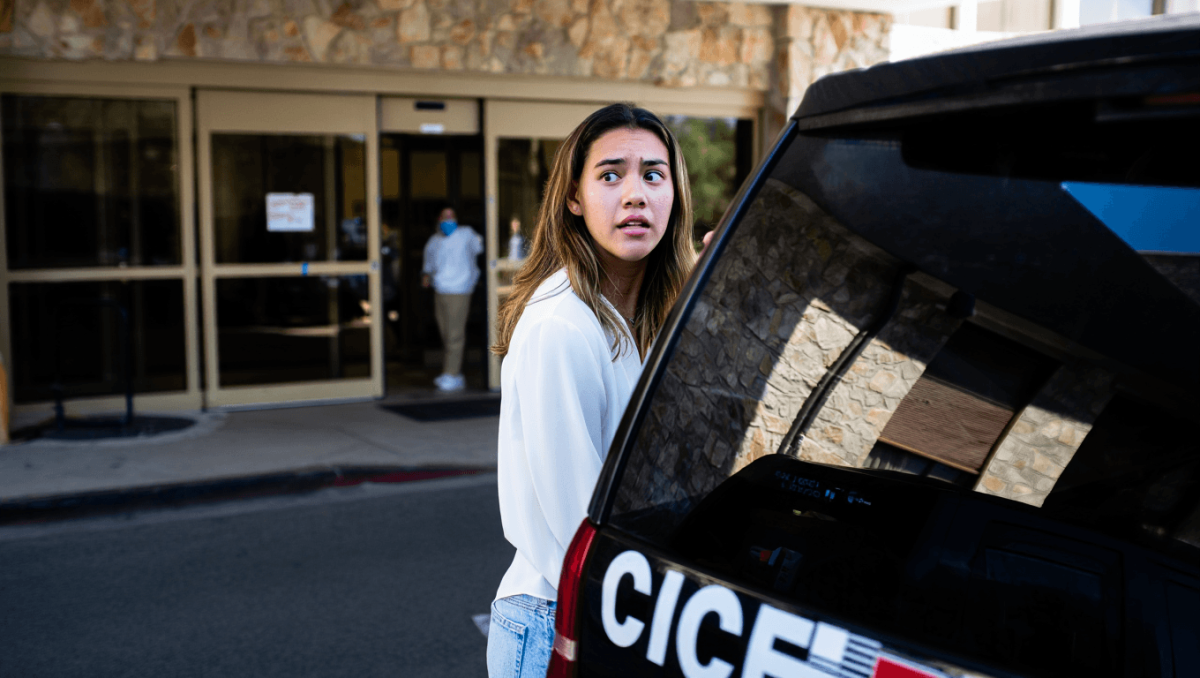
A woman who says she was seized by Immigration and Customs Enforcement while en route to a medical appointment has stepped forward with a detailed account of the encounter. Her story has sparked alarm in the neighborhood and raised fresh questions about immigration enforcement, civil liberties, and how agents identify and detain people in public spaces.
How she says the detention unfolded: a timeline of events
She describes leaving her home for a routine doctor’s visit when agents approached her vehicle. According to her account, the interaction escalated quickly.
Sophia Laforteza of Katseye announces hiatus: comes months after Manon Bannerman’s exit
Delta to return to Tokyo Narita hub in 2027: 7-year comeback
- She says agents identified themselves as immigration officers and requested her documents.
- When she could not produce what they asked for, they placed her in custody at the scene.
- She reports being transported to an ICE facility and held for several hours before release or transfer.
She emphasizes the shock of being detained while going to a medical appointment. The missed visit and the emotional aftermath have been significant.
Personal testimony: what she told reporters about the experience
In interviews, she described fear, confusion, and a sense of violation. She says officers did not clearly explain the reason for the stop.
- She said she repeatedly asked whether she was under arrest.
- She felt humiliated when handcuffed in front of bystanders.
- She worries about how this will affect her ability to attend medical care in the future.
Her account is measured but unmistakable: being detained by immigration agents changed a routine day into a trauma.
Legal questions raised by public detentions and mistaken identity
The case has renewed debate over how ICE conducts stops in public. Civil liberties groups say there are clear risks when identity checks are done without sufficient safeguards.
- Rights experts note that U.S. citizens can be mistakenly detained.
- Questions about probable cause, warrants, and search protocols follow any public stop.
- Lawyers stress the importance of documenting the encounter when possible.
Any detention that appears arbitrary invites scrutiny from courts and watchdogs.
Agency response and what authorities may say
When incidents like this become public, agencies typically review the interaction. Official statements, when released, often cite enforcement priorities and legal authority.
- Authorities may assert they acted on credible information.
- Investigations can include body-camera footage, witness statements, and agent reports.
- Outcomes range from formal reprimands to policy changes or exoneration of officers.
Community reaction: advocates demand accountability
Local activists and immigrant-rights organizations quickly mobilize in cases like this. They press for transparency and policy reform.
- Calls for better training on identity verification.
- Demands for clear rules about detaining people in public spaces.
- Requests for prompt disclosure of body-cam video and internal records.
Advocates say public trust requires clear answers and independent review.
Policy implications: what this incident signals for enforcement practices
Incidents of public detention can influence broader debates on immigration enforcement. Lawmakers and agencies may face pressure to update protocols.
- Possible reforms include stricter standards for stops in public.
- Some call for better oversight and reporting of enforcement actions.
- Others urge community-based solutions to reduce confrontations.
Practical advice: steps to take if you or a loved one face an ICE encounter
Legal advocates recommend a calm, cautious approach. Knowing rights can make a difference during and after an encounter.
- Ask clearly: “Am I free to go?” If the answer is yes, leave the scene.
- Do not resist physically. State your citizenship status if asked.
- Request a lawyer immediately if detained. Do not sign documents without counsel.
- Write down names, badge numbers, and witnesses as soon as you can.
- Contact local legal aid organizations and civil-rights groups for help.
Keeping a record and seeking legal advice quickly are key steps after any detention.