Show summary Hide summary
- How TSA operations changed and what’s restored
- Immediate actions every traveler should take
- What to expect at security checkpoints right now
- How airlines and airports are adapting in the short term
- Packing and screening tips to move through security faster
- How this change affects international travel and customs
- When to contact your airline or airport directly
- Practical steps for frequent flyers and business travelers
Air travel faces a smoother road ahead as TSA operations return to full capacity following the agency’s longest disruption. Passengers should expect fewer delays at checkpoints, but a few practical steps will help avoid last-minute stress. Below are clear, actionable updates and tips to navigate the immediate aftermath.
How TSA operations changed and what’s restored
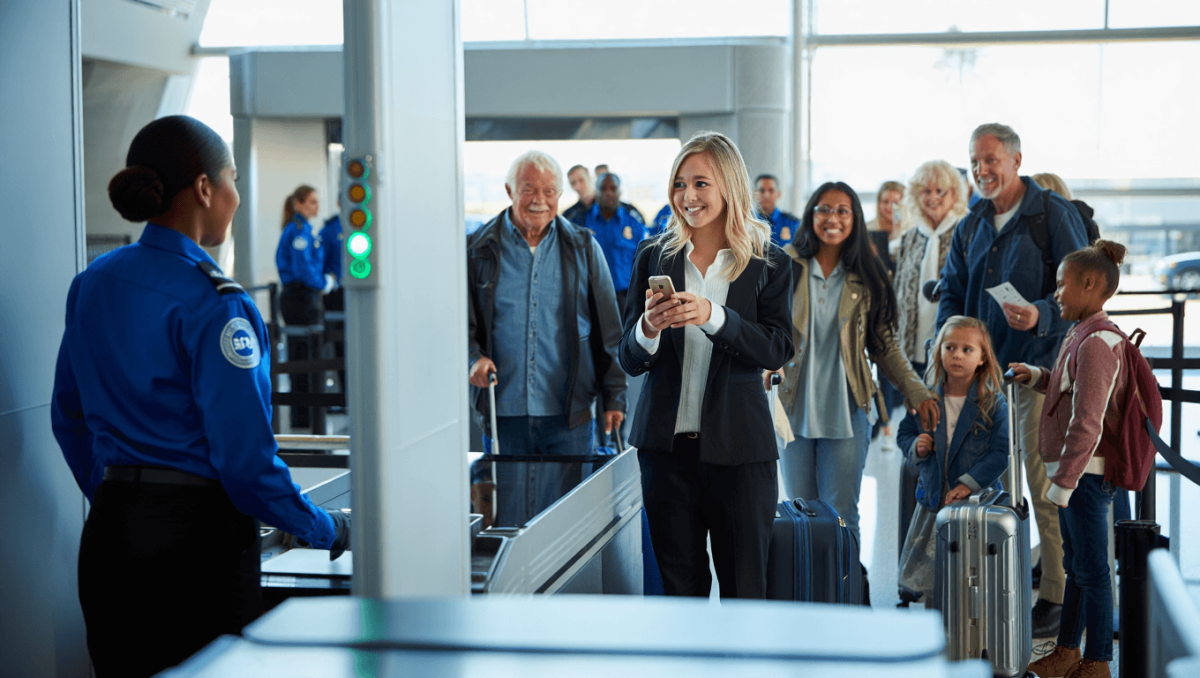
The staffing shortages that slowed security lanes are easing. TSA has announced full deployment of screeners at major airports. That means faster processing times and fewer improvised procedures.
Sophia Laforteza of Katseye announces hiatus: comes months after Manon Bannerman’s exit
Delta to return to Tokyo Narita hub in 2027: 7-year comeback
- Standard security lanes are reopening at most hubs.
- PreCheck and standard screening are operating as usual.
- Some temporary measures may stay in place while staffing stabilizes.
Expect improved throughput at peak hours as teams return to normal shift patterns.
Immediate actions every traveler should take
Small choices now save time later. Follow these steps before heading to the airport.
- Check your flight status with the airline. Delays can still ripple through schedules.
- Arrive earlier than usual for busy airports. Give yourself buffer time.
- Confirm TSA PreCheck or CLEAR status online. Bring your ID and boarding pass.
- Pack smart: liquids under 3.4 oz in a clear bag, electronics easily accessible.
- Monitor airport alerts via apps or social media for sudden lane changes.
Pro tip: If you rely on connection times, increase your layover cushion for now.
What to expect at security checkpoints right now
Lines should move faster, but you may still see occasional congestion. Airports are prioritizing efficiency while catching up.
- Peak hours might still have longer lines while staffing shifts settle.
- Expect clearer signage and more lane staff to direct traffic.
- Random or secondary screenings remain part of standard security practice.
Stay patient. Screening agents may still be processing backlogs, especially early in the day.
How airlines and airports are adapting in the short term
Airlines and airport operators are coordinating to reduce passenger disruptions. That includes reallocating staff and adjusting gate assignments.
- Airlines may proactively rebook customers affected by earlier delays.
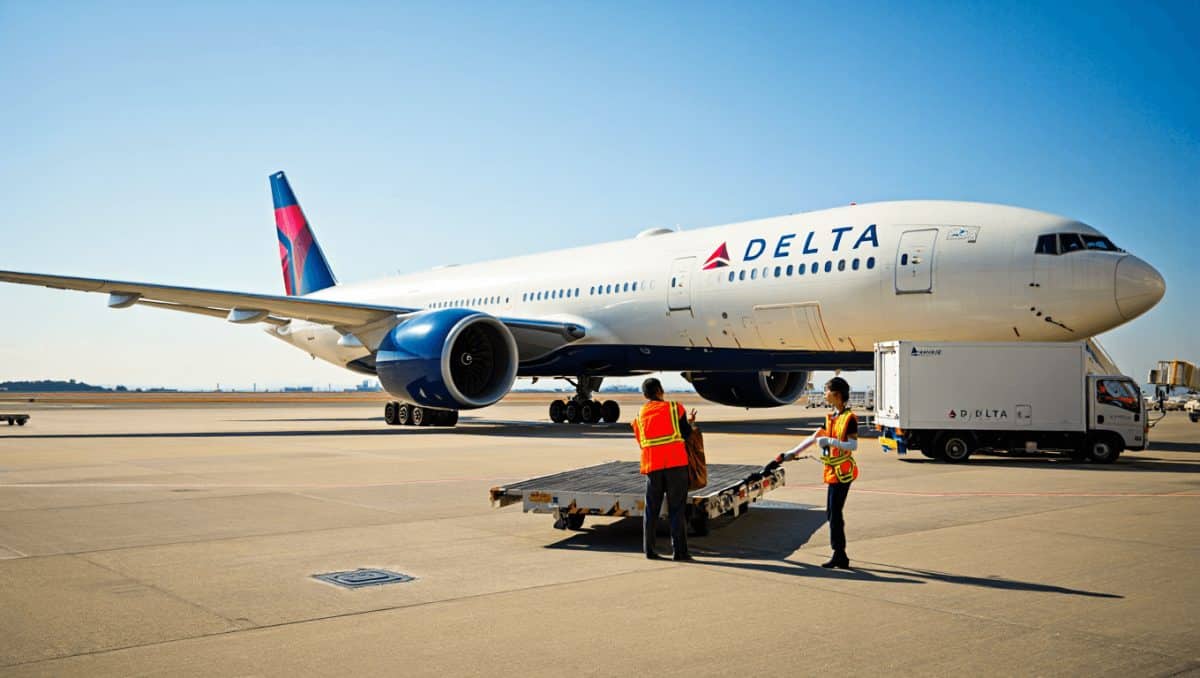
- Ground crews will prioritize quick turns to keep flights on schedule.
- Customer service desks and digital channels are handling higher volumes.
For passengers, this means greater reliance on real-time alerts. Enable notifications from your carrier and airport app for immediate updates.
Packing and screening tips to move through security faster
Efficient screening habits reduce delays for you and others. Use these quick, practical tips.
- Place laptops and large electronics in an easy-to-remove spot.
- Keep liquids in a single, accessible bag near the top of your carry-on.
- Wear shoes you can slip off quickly if required.
- Have IDs and boarding passes ready before you reach the front of the line.
- If you require additional assistance, arrive with extra time to process it.
Remember: PreCheck speeds things up, but good packing is the fastest route through any lane.
How this change affects international travel and customs
While TSA handles domestic security, airport processing for international departures and arrivals is linked. Expect gradual improvements at immigration and customs.
- International check-in counters are resuming typical staffing levels.
- Customs and border control may still see staggered processing as resources shift.
- Plan extra time for passport control at major international hubs.
When to contact your airline or airport directly
Not every hiccup requires contacting customer service. Use these guidelines to decide when to reach out.
- Contact the airline if your flight is delayed or canceled.
- Reach the airport info desk for checkpoint closures or directional help.
- Use your airline app first for rebookings and notifications.
If you see staff shortages or safety concerns, report them immediately to airline personnel or airport authorities.
Practical steps for frequent flyers and business travelers
Frequent travelers can minimize risk to tight schedules by preparing ahead.
- Keep travel documents centralized and updated.
- Use priority programs like TSA PreCheck, Global Entry, or CLEAR.
- Book flights with longer minimum connection times for now.
- Consider off-peak flights to avoid morning surges.
Quick answers to common concerns
- Will checkpoints close again? No sign of an immediate rollback, but temporary lane adjustments are possible.
- Are PreCheck lines affected? PreCheck is operating, but expect occasional delays during recovery.
- Should I change travel plans? Most travelers do not need to cancel. Adjust timing if you have tight connections.