Show summary Hide summary
CinemaCon in Las Vegas offered a first, chilling glimpse of Robert Eggers’ new period horror, Werwulf, a film that aims to blend medieval folklore with the director’s signature visual rigor.
Footage Premiere: How Werwulf Was Unveiled
Universal Pictures and Focus Features showcased the footage during their CinemaCon presentation. Industry attendees watched scenes that hint at a stark, atmospheric horror.
Sophia Laforteza of Katseye announces hiatus: comes months after Manon Bannerman’s exit
Delta to return to Tokyo Narita hub in 2027: 7-year comeback
- The clip was screened at the companies’ Las Vegas event.
- Audience reaction suggested strong interest in the film’s stylistic direction.
- Werwulf is slated for a Christmas Day release, mirroring the holiday launch of Eggers’ recent Nosferatu.
Eggers’ Return to Historical Horror and His Collaborators
Robert Eggers continues to mine historical periods for fear and folklore. Werwulf follows his work on The Northman and Nosferatu, and marks another collaboration with Focus Features.
Eggers again gathers a familiar ensemble, reuniting actors and creatives who helped shape his earlier films.
- Cast includes Aaron Taylor-Johnson, Lily-Rose Depp, Willem Dafoe, and Ralph Ineson.
- Sjón returns as co-writer, building on their past partnership.
- Production completed in the U.K. earlier this year.
Visual Style and the Horror on Screen
The footage leans into classical framing and haunting period detail. Viewers saw both stark monochrome passages and richer, textured color work.
Key visual and tonal elements revealed
- Use of a classical aspect ratio for a historic feel.
- Interludes in black and white to heighten dread.
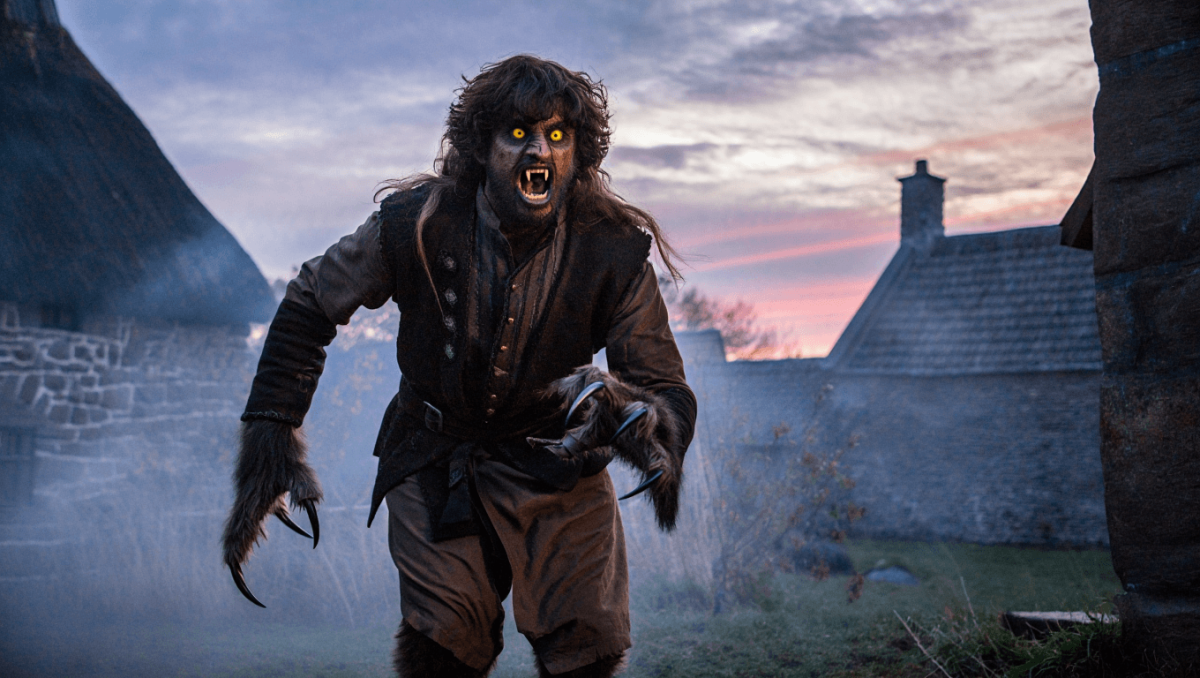
- Graphic body-horror glimpses of a man transforming.
- Fog-bound village settings that evoke medieval England.
Signs of practical effects and unsettling imagery suggest Eggers is leaning into visceral, tactile scares rather than glossy jump cuts.
Folklore, Language, and Storytelling Roots
Werwulf draws on early traditions about lycanthropy, placing its story in 13th-century England.
- The screenplay incorporates Middle English to deepen authenticity.
- The narrative is built around early folklore rather than modern myth.
- Eggers and Sjón adapted ancient motifs to create a medieval nightmare.
The creative choice to include historic language and period detail aims to immerse audiences in a world far removed from contemporary horror settings.
Lineage of Werewolf Cinema and Eggers’ Influences
Werwulf taps into a long tradition of werewolf stories on film. Filmmakers have been depicting lycanthropy since silent cinema.
- Early inspirations date to silent-era pieces, including a 1913 werewolf short.
- Classic studio-era monsters, like the 1941 Wolf Man, remain a touchstone.
- Eggers appears to synthesize these traditions with his own historical approach.
The result aims to be both reverent and unsettling, honoring cinematic precedent while pushing the visceral limits of period horror.