Show summary Hide summary
- Why Wales deserves attention from savvy travelers
- Language and local life: experiencing Welsh culture
- Castles, colorful villages and authentic photo moments
- Wales’ best beaches: three coastlines to plan around
- Practical travel details: entry rules, safety and small-print tips
- How to build an itinerary that fits your pace
- Seasonal tips and when to go for the best experience
- Local food, transport and money-saving tips
- Insider suggestions to make the most of your visit
When most travelers imagine a trip to Britain they picture London buses and famous landmarks. But a quieter corner of the UK is carving out a reputation as a top year-round destination. Wales pairs rugged coastlines, living culture, and pocket-friendly options in ways that surprise many visitors.
Why Wales deserves attention from savvy travelers
Wales is more than a day trip from a British capital. It blends deep history with coastal drama and a culture that still feels local. For visitors who want beaches without crowds and traditions that predate modern Britain, Wales is a compelling option.
Sophia Laforteza of Katseye announces hiatus: comes months after Manon Bannerman’s exit
Delta to return to Tokyo Narita hub in 2027: 7-year comeback
- Accessible year-round: Mild coastal weather and many indoor attractions make Wales easy to visit outside summer.
- Good value: Accommodation and dining often cost less than in London or Edinburgh.
- Distinct identity: A strong cultural heritage and a living native language give Wales a unique flavor.
Language and local life: experiencing Welsh culture
Welsh is not a museum relic. It is spoken in homes, shops, and schools across parts of the country. Hearing the language gives you a sense of place you won’t find everywhere in the UK.
Key fact: About one in five residents use Welsh in daily life, especially in areas like Gwynedd, Ceredigion, and Anglesey.
What to expect when you arrive
- English is widely understood, so language won’t block your trip.
- Local events, music, and small museums showcase centuries of culture.
- Village life is vibrant: markets, cafés, and community-run attractions are common.
Castles, colorful villages and authentic photo moments
Wales’ built heritage reads like a travel lover’s checklist. Magnificent medieval fortresses stand within reach of coastal routes. Picturesque towns and architectural oddities make for memorable stops.
Must-see historic highlights
- Caernarfon Castle: A dramatic stronghold with royal ties and sweeping views of the Menai Strait.
- Conwy Castle: A well-preserved fortress that towers over a charming walled town.
- Portmeirion: An Italian-style village known for its pastel buildings and cinematic setting.
Wales’ best beaches: three coastlines to plan around
Wales has a long shoreline, from windswept headlands to broad sandy bays. You can find quiet stretches and iconic vistas within a short drive of main hubs.
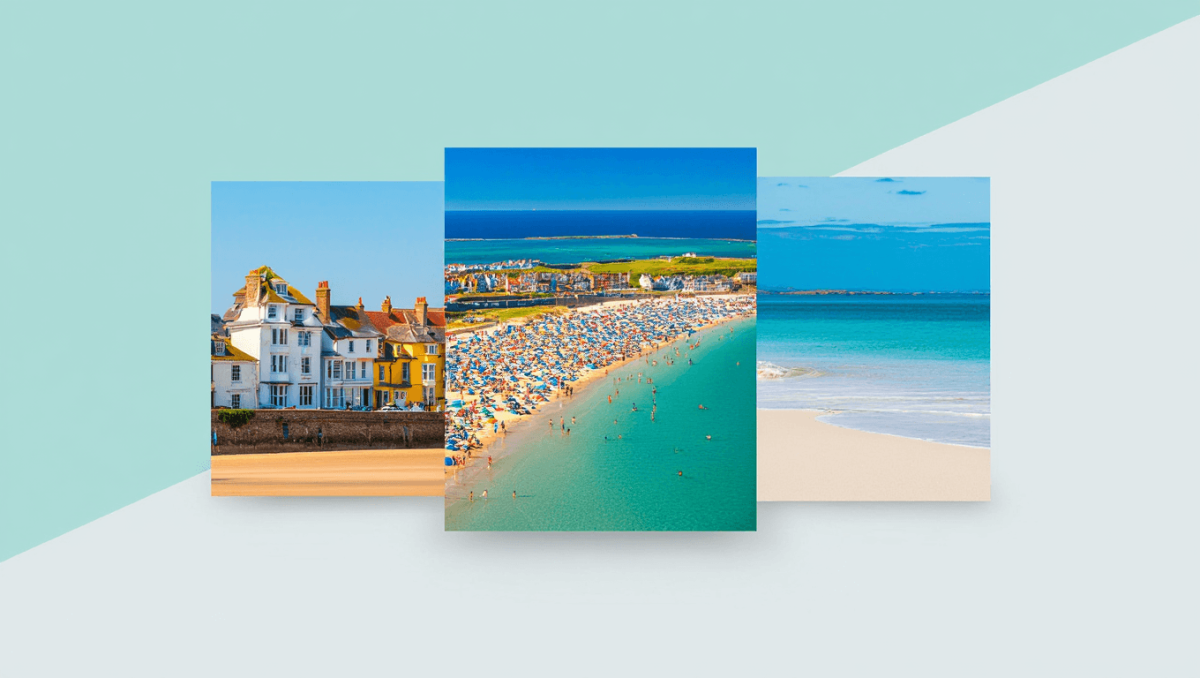
- Rhossili Bay — Often ranked among Europe’s top beaches, Rhossili is vast, wild, and dramatic. Cliffs and open sands create a cinematic backdrop for long walks.
- Llanddwyn (Anglesey) — A small tidal island and dune system with a lighthouse and sweeping views toward Snowdonia. The mood here is windswept and romantic.
- Tenby — A classic seaside town with pastel-fronted houses, blue waters, and some of Britain’s whitest sand. Castle Beach offers history with your swim.
Each beach has its own character. Pick Rhossili for dramatic landscapes, Llanddwyn for solitude, and Tenby for town atmosphere plus sand.
Practical travel details: entry rules, safety and small-print tips
Policy and safety details change, so plan ahead. A few simple checks will save time at the border and on the road.
- Entry requirements: The UK has updated its visitor protocols, including an ETA-style system for some nationalities. Confirm the current rules before you book.
- Safety: Official travel assessments rate the UK as generally safe. Treat Wales like other tidy European destinations and use standard precautions.
- Customs and travel fees: Be aware of small charges and differing rules for goods and electronic devices when traveling between countries.
How to build an itinerary that fits your pace
Whether you want a slow coastal escape or an activity-packed break, Wales scales to your interests. Here are planning ideas by mood.
- Relaxed beach holiday: Base yourself in Tenby or around the Gower Peninsula to mix town amenities with shoreline walks.
- Outdoor adventure: Use Snowdonia and Anglesey as bases for hiking, climbing, and water sports.
- Culture and history trip: Plan visits to Caernarfon and Conwy, with afternoons in small museums and market towns.
Seasonal tips and when to go for the best experience
Wales works in every season, but what you do will depend on timing. Here are quick tips to match weather to activities.
- Spring: Wildflower displays and fewer crowds on beaches.
- Summer: Warmer seas and festival season. Expect higher demand for popular towns.
- Autumn: Crisp air, dramatic light for photography, and quieter attractions.
- Winter: Low-season prices, storm-watching on the coast, and cozy pubs.
Local food, transport and money-saving tips
Wales has moved beyond clichés when it comes to food and transport. With a few local insights, you can eat well and travel efficiently.
- Try seafood at coast-side cafés and modern Welsh menus in regional towns.
- Train and bus links serve many coastal and inland spots, but rural areas may need a car.
- Book accommodations in shoulder seasons for better rates and more choices.
Insider suggestions to make the most of your visit
Small decisions can turn a good trip into a memorable one. Locals share tips worth following.
- Arrive early at popular beaches to enjoy solitude and better parking.
- Look for community-run tours to learn local history from residents.
- Pack layers: coastal weather shifts quickly and keeps excursions comfortable.