Show summary Hide summary
- Why Streep initially said no to a defining role
- Negotiation: asking for more and getting it
- Age, experience and confidence behind the choice
- How audiences and fans reacted to her salary revelation
- From reluctant yes to box-office success
- Returning as Miranda: the sequel’s buzz and release date
- Cast, crew and the legacy of the original
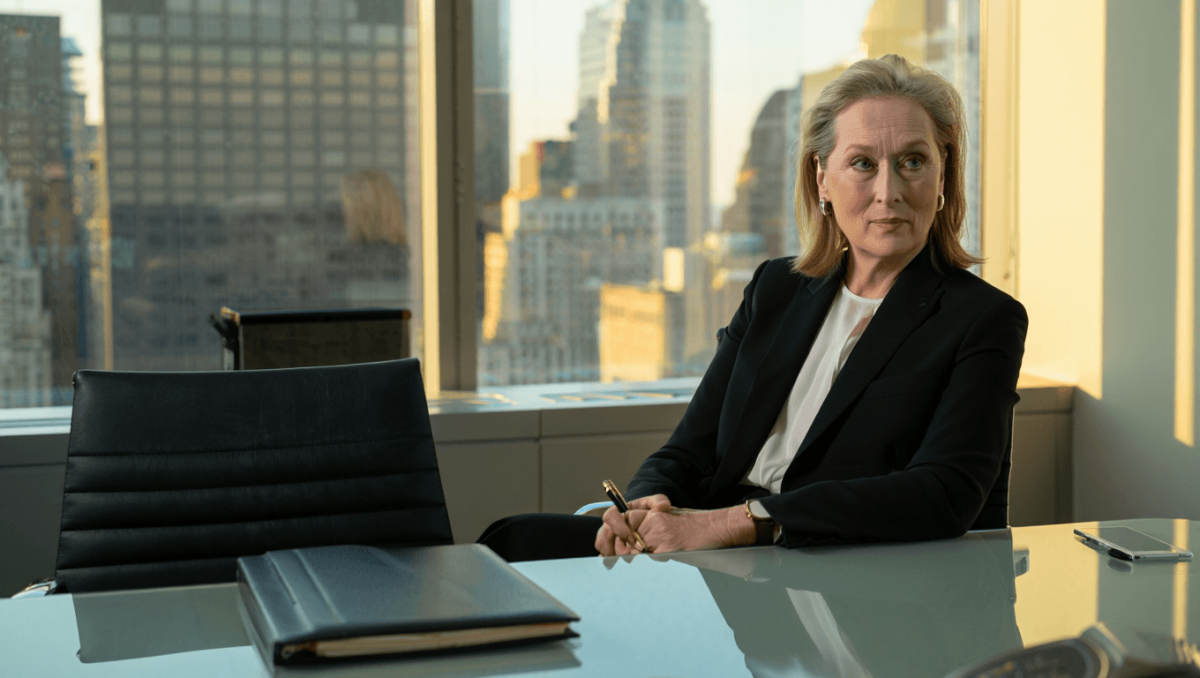
Meryl Streep recently revealed a surprising chapter in the backstory of The Devil Wears Prada: she first turned the iconic role of Miranda Priestly down. In a candid interview on Today with Jenna & Sheinelle, the three-time Oscar winner described why she hesitated, how she negotiated, and what finally convinced her to sign on for the part that would become central to her modern legacy.
Why Streep initially said no to a defining role
When producers offered Streep the part of the imperious Runway boss, she did not accept immediately. She believed the film had real potential, yet she balked at the initial proposal.
Bronwyn Newport’s mystery man revealed: he’s a married NYC restaurateur
Duncan Sheik cause of death revealed: what killed the barely breathing singer
At the time, she weighed her options and the value she brought to the project. Rather than saying yes at once, she chose to test the waters and make a stronger demand.
Negotiation: asking for more and getting it
Doubling the fee changed the calculus
Rather than walking away, Streep countered the studio’s offer with a bold demand: she wanted twice what had been proposed. The studio agreed without long debate.
Her decision to ask for a higher salary was a turning point. She later reflected that it took time in her career to recognize that she could negotiate from that position.
Age, experience and confidence behind the choice
Streep was in her mid-50s when the movie came around. She said she felt secure enough in her achievements to make demands and to decline if the studio refused.
That blend of veteran confidence and selectivity helped shape the role she ultimately played. She believed the film would resonate, and wanted compensation that matched her contribution.
How audiences and fans reacted to her salary revelation
The story of Streep’s negotiation sparked a lively response online. Many viewers praised her stance and saw it as a model for self-advocacy.
- Some commenters urged more people, especially women, to adopt similar confidence in pay talks.
- Others marveled that even at her level, Streep pressed for fair compensation.
- Many noted that the studio’s quick agreement confirmed her intuition about her worth.
The exchange prompted a wider conversation about negotiation and career timing.
From reluctant yes to box-office success
Once Streep accepted, she played Miranda Priestly opposite Anne Hathaway, Stanley Tucci and Emily Blunt. The David Frankel-directed film became a cultural touchstone.
The movie was a financial hit. It earned about $125 million in the United States and Canada and exceeded $326 million worldwide.
Returning as Miranda: the sequel’s buzz and release date
Twenty years after the original, Streep returns as Priestly in The Devil Wears Prada 2. The sequel has generated strong industry estimates for its opening box office.
According to trade forecasts, the new film is projected to bring in nearly $180 million globally during its debut window. The sequel arrives in theaters on May 1.
Cast, crew and the legacy of the original
The franchise’s continuing appeal rests on the ensemble and the world it built. Streep’s performance anchored the first film and remains central to its identity.
- Key cast members from the original include Anne Hathaway, Stanley Tucci and Emily Blunt.
- David Frankel directed the first movie, which helped launch the film’s wide success.
- The sequel’s marketing leans on nostalgia and Streep’s return as a major draw.
The decision Streep made two decades ago still shapes how the series is marketed today.