Show summary Hide summary
- What CinemaCon revealed about Nolan’s Trojan Horse sequence
- A modern Odysseus: plot beats and Nolan’s approach to Homer
- Star-studded ensemble and notable roles
- Behind the camera: Nolan’s creative team and studio ties
- Release plans and what to expect in theaters
- Why this adaptation matters for modern audiences
Christopher Nolan’s next epic, The Odyssey, is already drawing buzz after a new CinemaCon preview. Audiences saw a tense, immersive sequence that promises a fresh, large-scale retelling of Homer’s tale.
What CinemaCon revealed about Nolan’s Trojan Horse sequence
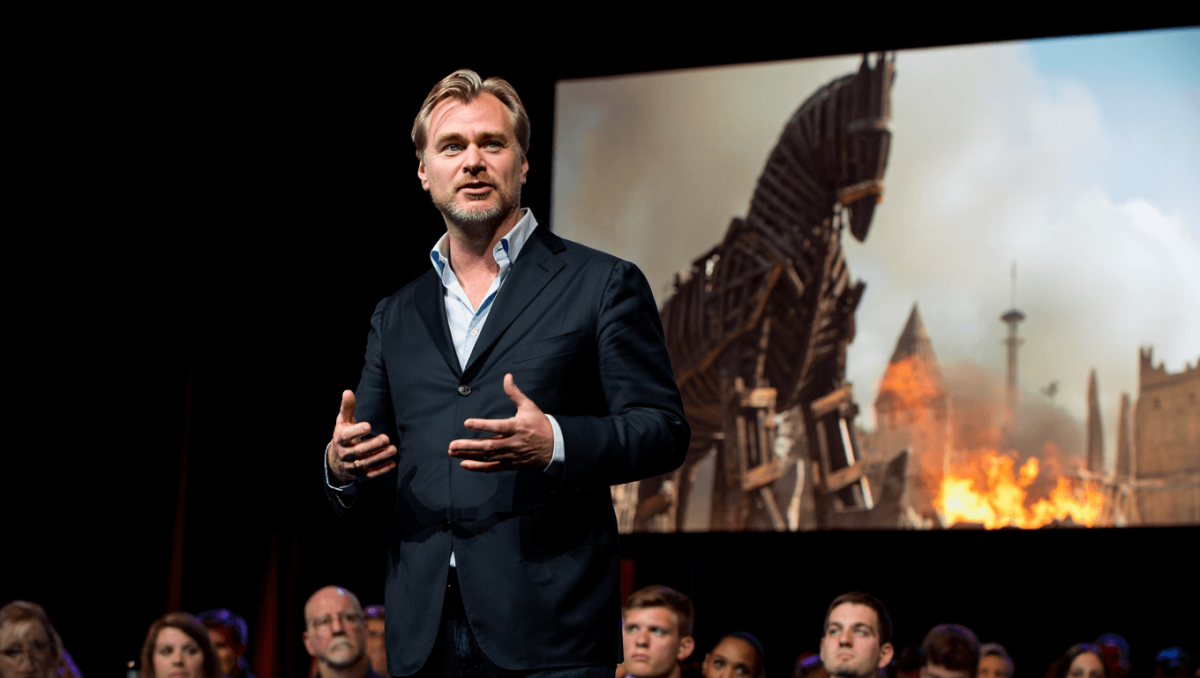
At Universal Pictures’ CinemaCon presentation, Nolan showed a long sequence from the film. The scene centers on the Greeks hidden inside the Trojan Horse. Viewers experienced the claustrophobic build-up to the ambush.
Sophia Laforteza of Katseye announces hiatus: comes months after Manon Bannerman’s exit
Delta to return to Tokyo Narita hub in 2027: 7-year comeback
- A quiet opening with Matt Damon’s Odysseus asking a mysterious question about memory.
- Tom Holland appears as Odysseus’ son, Telemachus, in a charged moment with Jon Bernthal.
- The horse is hauled ashore by hundreds of extras, creating an immense visual.
- Soldiers inside the horse struggle to stay silent while Trojans poke and prod outside.
- The sequence crescendos as Damon leads the sudden, violent breakout.
The preview emphasized close-quarters tension and large-scale spectacle. Nolan blends intimate character beats with sweeping action.
A modern Odysseus: plot beats and Nolan’s approach to Homer
The Odyssey adapts Homer’s ancient poem into a big-screen voyage. Damon plays Odysseus, the wily King of Ithaca. He returns home after Troy, only to face mythic perils that delay his reunion.
Anne Hathaway is cast as Penelope, Odysseus’ patient wife. Tom Holland plays Telemachus, their son. The story follows Odysseus’ fight against sea monsters, sorcery, and divine tests.
Key themes Nolan appears to explore
- Memory and identity, hinted at in Odysseus’ opening lines.
- The cost of war and the yearning for home.
- The clash between human cunning and supernatural forces.
Star-studded ensemble and notable roles
Nolan assembled a massive supporting cast. He joked that listing who is not in the film would be easier. The roster mixes big names and familiar collaborators.
- Robert Pattinson as Antinous, a leading suitor.
- Zendaya as Athena, goddess and guide.
- Charlize Theron as Circe, the witch who torments Odysseus.
- Other credited and rumored players include Lupita Nyong’o, Benny Safdie, John Leguizamo, Mia Goth, Elliot Page, and Samantha Morton.
- Artists from varied backgrounds round out the cast: Travis Scott, Himesh Patel, Will Yun Lee, and many more.
The ensemble promises both dramatic heft and surprising turns. Nolan’s casting choices aim to balance star power and character depth.
Behind the camera: Nolan’s creative team and studio ties
Nolan rejoined Universal for The Odyssey after splitting with Warner Bros. during the Tenet era. His previous Universal release, Oppenheimer, became a cultural and box office phenomenon.
- Oppenheimer grossed nearly $976 million worldwide.
- It won seven Academy Awards, including Best Picture and Best Director.
For The Odyssey, Nolan reunites with trusted collaborators. Hoyte van Hoytema handles cinematography, crafting Nolan’s expansive visuals. Ludwig Göransson composed the score, adding a fresh musical voice.
Release plans and what to expect in theaters
Universal Pictures set a theatrical release date of July 17. The studio is positioning the film as a summer tentpole and awards contender.
Expect large-scale practical sets, elaborate crowd sequences, and tight handheld moments inside cramped spaces. Nolan’s blend of spectacle and character work remains central.
Why this adaptation matters for modern audiences
Homer’s poem is ancient but enduring. Nolan’s version aims to make the myth feel immediate and cinematic. The film will likely contrast mythic scope with personal stakes.
Early footage suggests a balance of spectacle and human drama. The Trojan Horse scene alone hints at Nolan’s aim to revive classical storytelling with contemporary filmmaking tools.