Show summary Hide summary
- Why a single image captured the internet
- Who is the Monopoly Man, and why does he matter?
- Costume as protest: what the outfit signals
- How institutions react when spectacle enters the chamber
- Online fallout: memes, takes, and mainstream reaction
- What this moment reveals about modern civic theater
- How lawmakers and the public interpret theatrical protests
- The longer-term impact of a viral public stunt
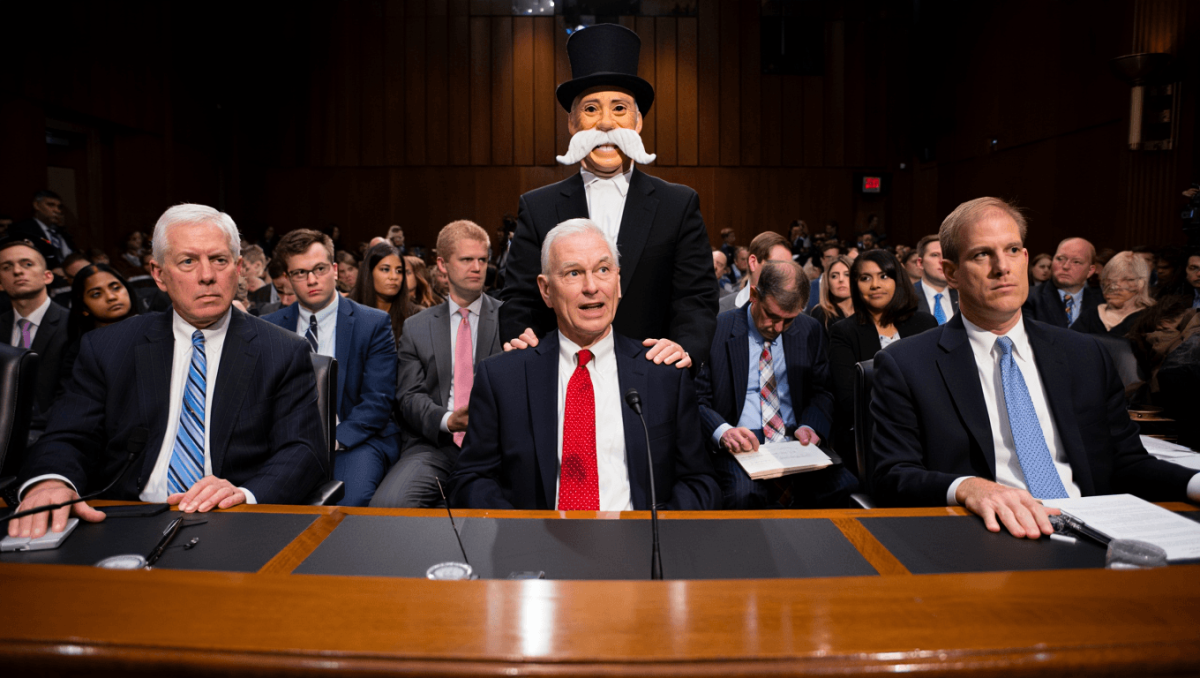
The image of a person in a top hat and mustache looming behind senators in a packed hearing room spread across timelines within minutes. It was equal parts prank and political theater. The costume’s grin did more than ruin a photo; it turned a formal moment into a viral symbol and forced people to talk about power, wealth and who gets to sit at the table.
Why a single image captured the internet
Photos and short videos now shape political memory. A single candid frame can travel faster than a press release. That explains why the person in the Monopoly costume became an instant story.
Dolly Parton’s funeral plans revealed: what happens after her death at 80
Dolly Parton: the surprising true story behind I will always love you
- Close framing and timing made the moment shareable.
- The costume tapped into a widely understood symbol of wealth and corporate power.
- Journalists, activists and meme creators amplified the image across platforms.
When a visual lines up with public debate, it moves from funny to meaningful.
Who is the Monopoly Man, and why does he matter?
The familiar figure with the monocle is formally known as Rich Uncle Pennybags. He is the long-standing mascot of the Monopoly board game.
Over decades, this caricature has come to represent more than a toy brand. He evokes ideas about capital, corporate play, and the unequal distribution of wealth. That is why seeing the costume in a Senate room read as commentary, regardless of the wearer’s intent.
Costume as protest: what the outfit signals
Wearing a recognizable mascot in a political setting is a deliberate tactic. It simplifies complex arguments into a single, readable image.
- The top hat and mustache compress ideas about privilege.
- A smile or a wink in the mask can be read as ironic or mocking.
- Such visuals invite public interpretation and discussion.
Costumes let protesters tell a story faster than a speech.
How institutions react when spectacle enters the chamber
Capitol staff and security face a choice when disruptions occur. They must balance order with free expression.
- Gallery attendants typically monitor behavior and enforce rules.
- When an interruption risks safety, staff intervene.
- High-profile disruptions often become part of the hearing’s coverage.
The immediate removal or containment of a protest often extends the story. The act of escorting someone out can draw more attention than the original gesture.
Online fallout: memes, takes, and mainstream reaction
Once images land online, they evolve. Journalists add context. Commenters add humor. Activists add meaning.
- Memes repurposed the costume to mock or critique different targets.
- Some praised the theatrical move as a clever spotlight on corporate influence.
- Others criticized it as a distraction from substantive debate.
Debate over tactics is now part of the story. The same act can be read as brave protest or counterproductive spectacle.
What this moment reveals about modern civic theater
Protests are adapting to a media landscape that rewards images and soundbites. Costumes, stunts and visual metaphors are practical strategies.
Key dynamics at play
- Visual shorthand: Symbols communicate quickly to broad audiences.
- Platform dynamics: Social apps determine which images spread.
- Attention economy: Grabs for visibility compete with in-depth reporting.
These dynamics push activists toward dramatic gestures that can be broadcast instantly.
How lawmakers and the public interpret theatrical protests
Officials often treat interruptions as breaches of decorum. The public response is more varied.
- Some see spectacle as a useful tool to frame issues for voters.
- Others worry gestures distract from policy details.
- Still others appreciate how humor and satire can puncture pomposity.
Perception depends on prior beliefs and media framing. The same image can confirm existing views rather than change minds.
The longer-term impact of a viral public stunt
A viral stunt rarely settles a debate on its own. But it can change what people talk about and for how long.
- It can force media outlets to explain the underlying issues.
- It can help activists recruit attention and supporters.
- It can make policymakers more sensitive to public optics.
Whether the moment leads to real policy action depends on follow-up, sustained coverage, and organized pressure.