Show summary Hide summary
- Why researchers sometimes jump on crocodiles
- How the encounter unfolded on The Tonight Show
- What this says about crocodile behavior and safety
- Keeping Steve Irwin’s mission alive at Australian Zoo
- From personal loss to public advocacy
- How mainstream media and competitions raised his profile
- Robert’s message after the crocodile incident
Robert Irwin told a vivid story of a close call with a huge crocodile on national TV, describing how a research encounter turned into a terrifying tumble. The 22-year-old conservationist recounted the incident with candid detail, explaining why he and his team put themselves at risk to study and protect these animals.
Why researchers sometimes jump on crocodiles
Fieldwork with large reptiles can look reckless to outsiders. But scientists use hands-on methods to tag, measure and monitor crocodiles. Robert said his team adopted a technique his father helped popularize.
Sophia Laforteza of Katseye announces hiatus: comes months after Manon Bannerman’s exit
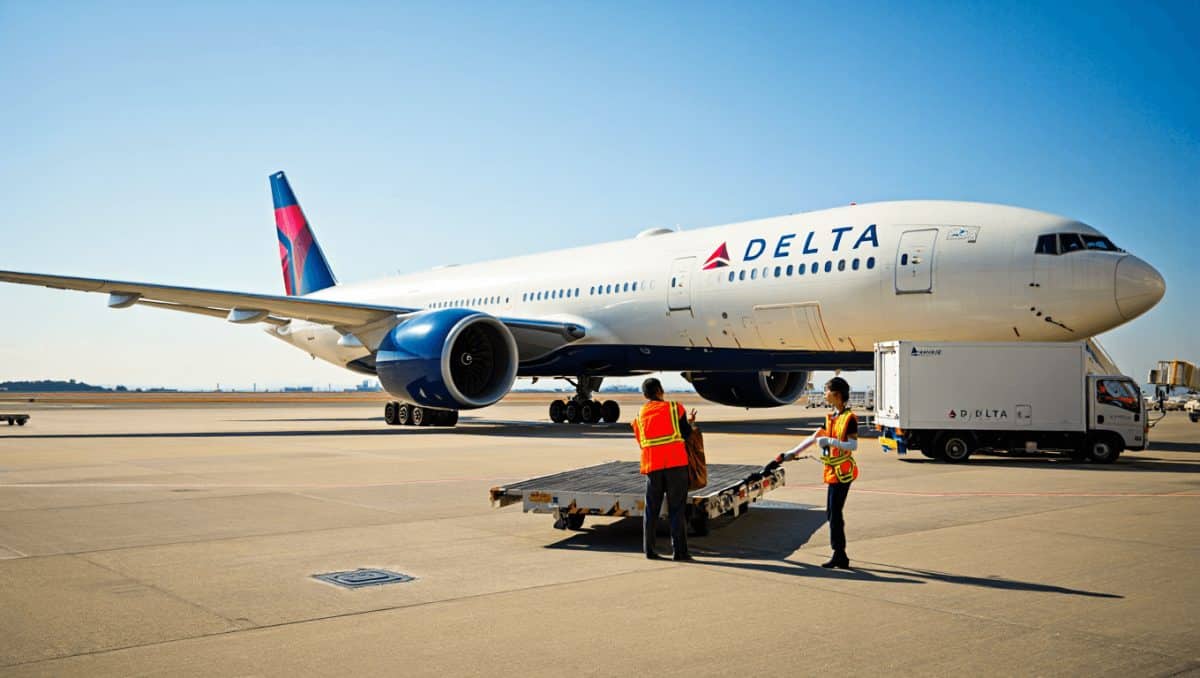
Delta to return to Tokyo Narita hub in 2027: 7-year comeback
- Jumping onto the animal’s back allows handlers to secure it quickly.
- Tagging and measurements help track populations and inform conservation plans.
- These interventions are carried out with training and risk management.
Robert framed the action as part of a broader conservation strategy. He stressed that the goal is better protection for wild crocodiles, not spectacle.
How the encounter unfolded on The Tonight Show
On The Tonight Show, Robert described the episode with a crocodile he gave a familiar name to. What began as a routine move escalated when the animal executed a powerful roll.
He recalled mounting the reptile, and then being caught in a violent spin known among handlers as a death-roll. The crocodile was roughly 14 feet long. Robert said he found himself pinned beneath its mass, with one arm exposed.
- The crocodile’s weight felt enormous, he estimated the force pressing on him in the hundreds of pounds.
- He reported the animal eventually rotated away, allowing him to escape without catastrophic injury.
- Robert underscored the unpredictability of working with apex predators.
What this says about crocodile behavior and safety
Wild crocodiles can switch from calm to aggressive quickly. Handlers learn to read subtle cues, but there is always risk. Robert used the story to remind viewers that research often means accepting danger.
Practical takeaways for wildlife professionals
- Thorough preparation and teamwork reduce chances of serious harm.
- Understanding species-specific behavior is essential before any physical contact.
- Conservation benefits must be weighed against potential human and animal stress.
Keeping Steve Irwin’s mission alive at Australian Zoo
Robert is part of a family synonymous with wildlife outreach. His father, Steve Irwin, made conservation visible worldwide. After Steve’s death in 2006, his wife Terri and their children continued that work.
Robert has spoken openly about the responsibility he feels. On social media he described carrying forward a mission that blends public education and species protection. He said making his father proud anchors his efforts.
From personal loss to public advocacy
Steve Irwin died after a tragic stingray incident while filming. Robert was two at the time. The family’s response was to expand the Australian Zoo’s conservation programs and keep Steve’s message alive.
- Terri, Bindi and Robert manage advocacy campaigns and on-the-ground projects.
- They focus on habitat preservation, species monitoring and community engagement.
- Their work emphasizes respect for wildlife and practical conservation outcomes.
How mainstream media and competitions raised his profile
Beyond the zoo, Robert has appeared on television to reach broader audiences. He leveraged those platforms to promote conservation themes and to normalize close encounters when done responsibly.
Both Robert and his sister Bindi also appeared on popular dance television shows. Bindi won her season as a teenager, and Robert later won his season. He has credited the public response for amplifying his conservation message.
Why entertainment matters for conservation
- Mass-audience shows extend reach far beyond traditional science outlets.
- Success on TV helped Robert connect with young people and families.
- He sees public recognition as a tool to advance wildlife protection.
Robert’s message after the crocodile incident
Robert used the anecdote to illustrate commitment to his work. He described the encounter as dangerous but ultimately survivable. The story reinforced a larger point:
- Conservation sometimes requires personal risk.
- Close contact with wildlife should be guided by science and ethics.
- Public education can turn risky moments into teachable ones.