Show summary Hide summary
- How major U.S. airlines moved to cover Spirit Airlines’ routes
- Regions that saw the sharpest rise in available seats
- Practical tips for travelers seeking replacement flights
- How the sudden capacity shift may affect fares and service
- International adjustments and cross-border service responses
- What travelers should expect next: timing and availability
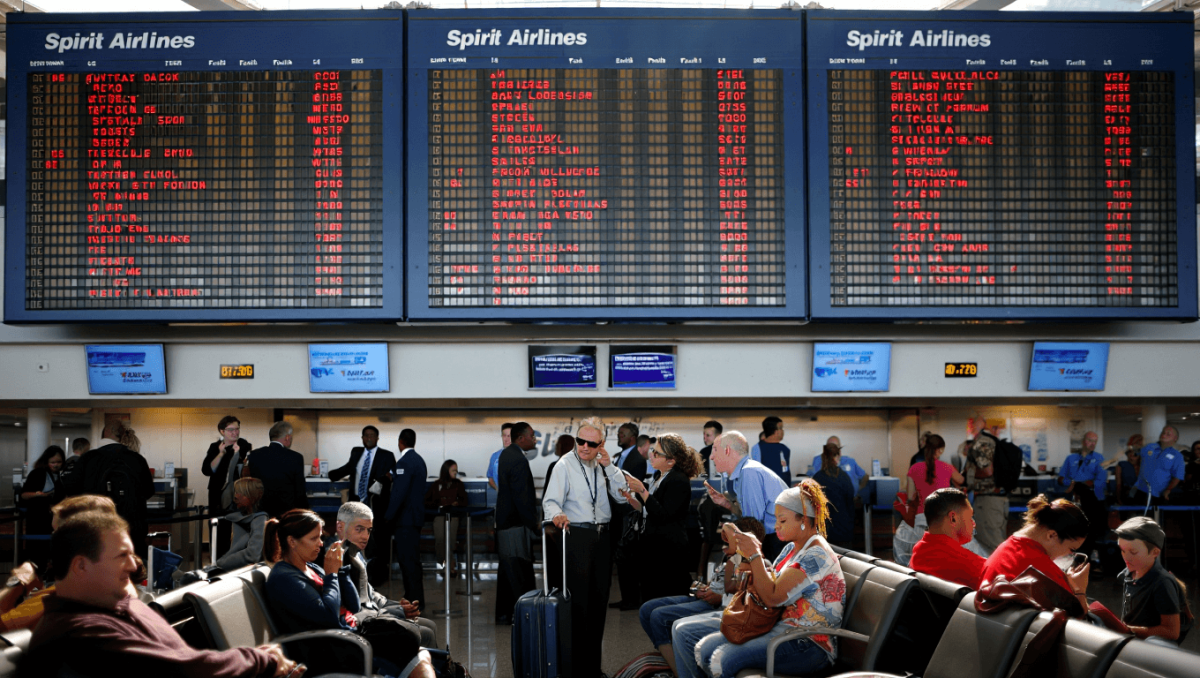
When Spirit Airlines abruptly ceased operations, airports filled with stranded passengers and a scramble began across the industry. Rival carriers raced to fill gaps in schedules, announce new services and reassure travelers. The fast response reshaped short- and medium-haul travel routes nationwide.
How major U.S. airlines moved to cover Spirit Airlines’ routes
Within days of the shutdown, legacy and low-cost carriers issued capacity plans. Each airline focused on hubs where Spirit had heavy presence. Actions ranged from adding frequencies to launching brand-new nonstop routes.
Vacation spots worth every penny: 12 trips to splurge on now
Pumpkin spice at Starbucks: 6 easy ways to get more for your money
American Airlines
- Boosted frequencies on key Florida and Texas routes.
- Opened additional seats on flights from Charlotte and Dallas-Fort Worth.
- Announced temporary schedule changes to accommodate spike in demand.
Delta Air Lines
- Added flights into Fort Lauderdale and Orlando from Northeast hubs.
- Increased aircraft size on select popular leisure routes.
- Offered waiver policies for affected passengers.
United Airlines
- Expanded service from Chicago and Houston to coastal vacation spots.
- Shifted some regional jets into higher-traffic markets.
- Targeted replacement flights for connecting business travelers.
JetBlue
- Focused growth on East Coast routes and Caribbean links.
- Opened new daily frequencies on routes once dominated by Spirit.
- Promoted loyalty perks to attract displaced customers.
Southwest and Other Low-Cost Carriers
- Southwest increased seat inventory on many short-haul routes.
- Frontier and Sun Country adjusted schedules to capture leisure demand.
- Smaller carriers added niche services at secondary airports.
Regions that saw the sharpest rise in available seats
Not all markets were affected equally. Leisure destinations felt the biggest surge as carriers chased high-yield travelers and volume.
- Florida: Miami, Orlando and Fort Lauderdale saw the most new flights.
- Texas: Dallas and Houston picked up added frequencies.
- Caribbean and Mexico: Airlines slotted extra flights for winter demand.
- Midwest: Chicago and Cleveland recorded more nonstop options.
Practical tips for travelers seeking replacement flights
If your trip was disrupted, act quickly and use multiple tools to secure options.
- Check airline websites and apps for emergency schedules and waivers.
- Use fare-alert tools to track new seats and price drops.
- Consider nearby airports; short drives can multiply options.
- Book refundable or flexible fares when possible.
- Look for partner or codeshare routes if direct flights are full.
How the sudden capacity shift may affect fares and service
The immediate impact was a mix of higher fares on hot routes and new competition on others. Expect further shifts as carriers fine-tune schedules.
- Short-term: Prices rose on high-demand leisure flights.
- Medium-term: Competition may bring selective discounts.
- Long-term: Route maps will stabilize as airlines assess profitability.
International adjustments and cross-border service responses
International gateways also saw adjustments. Airlines prioritized markets with strong leisure travel and cross-border ties.
- Added frequencies to Mexico and the Caribbean to absorb overflow.
- Some carriers increased early-morning and evening options.
- Travel rules and testing policies affected how quickly airlines could scale service.
What travelers should expect next: timing and availability
Airlines will continue updating schedules over weeks and months. Travelers should monitor changes and remain flexible.
- Expect ongoing schedule tweaks as demand patterns settle.
- Keep an eye on airline announcements for new route launches.
- Sign up for notifications from booking sites and airlines.