Show summary Hide summary
- How “Level 1” shapes safe summer travel in 2026
- Iceland — Expect wild weather, minimal social risk
- Ireland — Green landscapes, simple security caveats
- Finland — Low friction, high civic order
- Portugal — Sunny coasts, watch vehicles and rentals
- Switzerland — Exceptional order, strict rules
- Austria — Polished cities and alpine caution
- Greece — History-rich, watch for crowds and heat
- Essential digital checks and medical protections for Europe 2026
Planning a summer trip to Europe in 2026 demands more than picking a postcard town. Tourists now weigh digital resilience, civic calm, and natural-risk management alongside street crime. Below are seven countries that earn the coveted Level 1: Exercise Normal Precautions label — and what to know before you book.
How “Level 1” shapes safe summer travel in 2026
Authorities use Level 1 to signal destinations with low systemic threats and well-maintained public services. That does not erase local hazards. Expect weather extremes, targeted theft in high-tourism spots, and changing border tech to influence your trip.
Sophia Laforteza of Katseye announces hiatus: comes months after Manon Bannerman’s exit
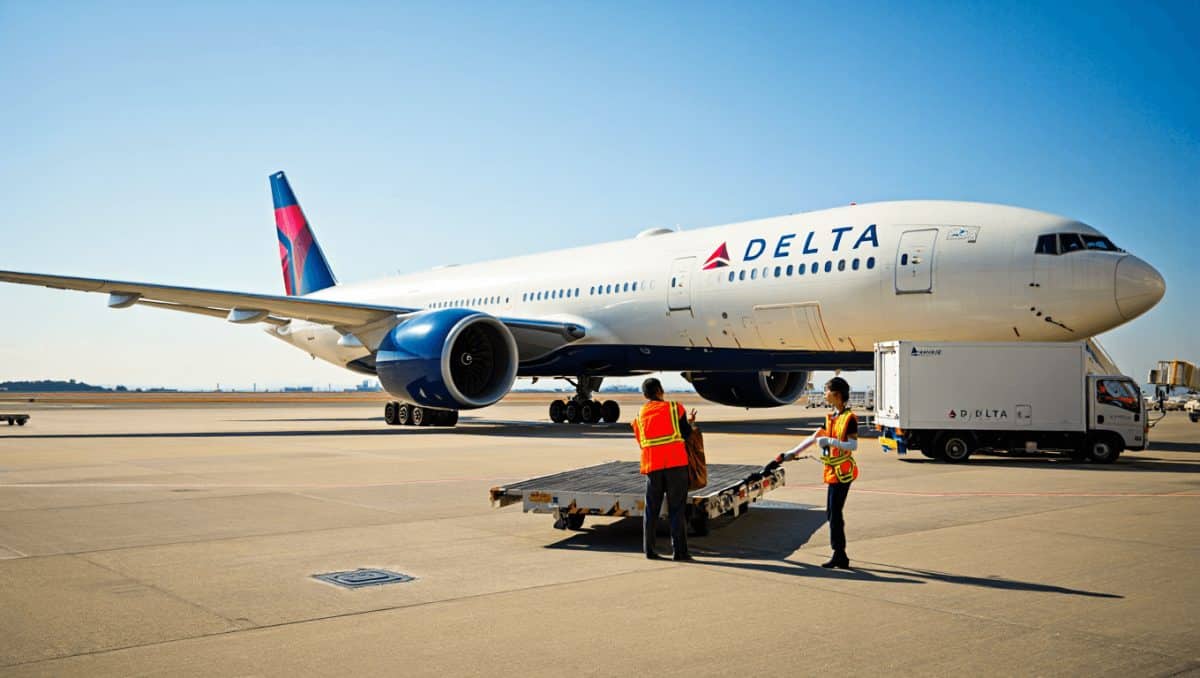
Delta to return to Tokyo Narita hub in 2027: 7-year comeback
- Travel safety is multi-dimensional: crime rates, infrastructure, emergency response, and digital processing all matter.
- Preparedness wins: basic tools, local apps, and comprehensive insurance reduce risk more than avoiding destinations entirely.
Iceland — Expect wild weather, minimal social risk
Why it ranks among Europe’s safest summer picks
Iceland blends very low violent crime with dramatic geological risks. Civil calm is common, but the elements can be unforgiving.
- Nature is the main hazard: sudden storms, icy roads, and fast-changing conditions create rescue calls.
- Search-and-rescue teams respond to hundreds of incidents annually. Travel with a plan.
- Key tip: install the ICE‑SAR SafeTravel app and share your route when heading into rural areas.
- Watch your wallet: cashless culture means ATM withdrawals are rare — use contactless payments when you can.
- Traveler Safety Index: 89/100 (based on recent visitor feedback).
Ireland — Green landscapes, simple security caveats
Peaceful streets, but mind the traffic and customs
Ireland offers calm public life and friendly towns. Your biggest adjustments may be traffic patterns and certain import rules.
- Driving: left-side roads can catch North Americans off guard. Slow down on narrow country lanes.
- Customs alert: CBD and some cannabis derivatives are strictly controlled. Carry nothing of that sort.
- Passport planning: dual nationals should use the Irish passport to enter Ireland, and their U.S. passport to return to the U.S.
- Traveler Safety Index: 88/100.
Finland — Low friction, high civic order
Quiet cities and reliable services, with seasonal crowding
Finland is notable for strong institutions and transparent governance. Petty theft is rare but can spike where tourists cluster.
- Public transit: expect busy ferry terminals and some crowding in Helsinki during peak season.
- Labor actions: peaceful strikes can disrupt trains and ferries. Monitor local news before travel.
- Border tension: areas near the eastern frontier may have stricter checks and occasional delays.
- Traveler Safety Index: 85/100.
Portugal — Sunny coasts, watch vehicles and rentals
Friendly atmosphere, but new theft patterns target tourists
Portugal combines coastal charm with generally low risk. That said, thieves have adapted to rising tourism and online rental platforms.
- Car theft and smash‑and‑grab: rental vehicles are visible targets. Keep valuables out of automobiles.
- Short‑term rental security: lock doors and windows, use safes, and vet listings carefully.
- Health advisory: localized mosquito‑borne illnesses mean bring effective repellent like DEET or Picaridin.
- Legal note: public consumption of alcohol and import of CBD products are regulated and can incur fines.
- Traveler Safety Index: 84/100.
Switzerland — Exceptional order, strict rules
Low crime, high regulatory expectations
Swiss precision delivers safety and predictability. Breaking local rules, even inadvertently, often leads to hefty fines.
- Transport enforcement: ticket inspections are routine and strict. Validate tickets before boarding.
- Traffic laws: no right turns on red and widespread camera enforcement; fines can be substantial.
- Alpine dangers: mountain hazards demand proper gear and evacuation insurance for non‑residents.
- Traveler Safety Index: 85/100.
Austria — Polished cities and alpine caution
Vienna calm, mountain risks elsewhere
Austria’s urban centers are model examples of safety and efficiency. Mountain regions require respect for seasonal changes.
- City life: Vienna is clean, well‑policed, and easy to navigate on public transit.
- Avalanche season: early summer melt increases risk in Tyrol and Vorarlberg. Follow guides and closures.
- Flight resilience: as a transit hub, expect occasional ripple effects from geopolitical events.
- Traveler Safety Index: 83/100.
Greece — History-rich, watch for crowds and heat
Islands and ruins are safe, but logistics can flip quickly
Greece combines deep heritage with summer heat and occasional street protests. Most demonstrations are nonviolent but disruptive.
- Pickpocket hotspots: the Acropolis, Monastiraki, and busy metro lines are prime areas for theft rings.
- Strict cultural protections: removing artifacts, even small stones, can trigger detention.
- Wildfire season: extreme heat raises wildfire danger. Igniting fires, even accidentally, is severely punished.
- Traveler Safety Index: 88/100.
Essential digital checks and medical protections for Europe 2026
Safe travel now hinges on how you handle digital entry and medical coverage. Small oversights create big disruptions.
- Entry/Exit System (EES): many Schengen entries require biometric pre‑registration. Match your passport data precisely.
- Border delays: mismatched digital records or expired documents can mean long queues or denied entry.
- Health insurance gap: U.S. Medicare and Medicaid are not accepted in European hospitals.
- Evacuation costs: air ambulance transfers can exceed $100,000. Buy coverage that includes emergency evacuation.
- Local apps: download national safety apps and register an itinerary if you plan remote excursions.