Show summary Hide summary
- Why Hanoi is drawing more travelers now
- Iconic spots you can’t miss in the Old Quarter
- Where to eat: Hanoi’s top tastes without the markup
- How much a trip to Hanoi typically costs
- Safety: what travelers should know
- Getting there: flights and connections from the U.S.
- Getting around Hanoi like a local
- Quick itinerary ideas for 48 hours
- Practical tips and local etiquette
- Where to find the best deals and updates
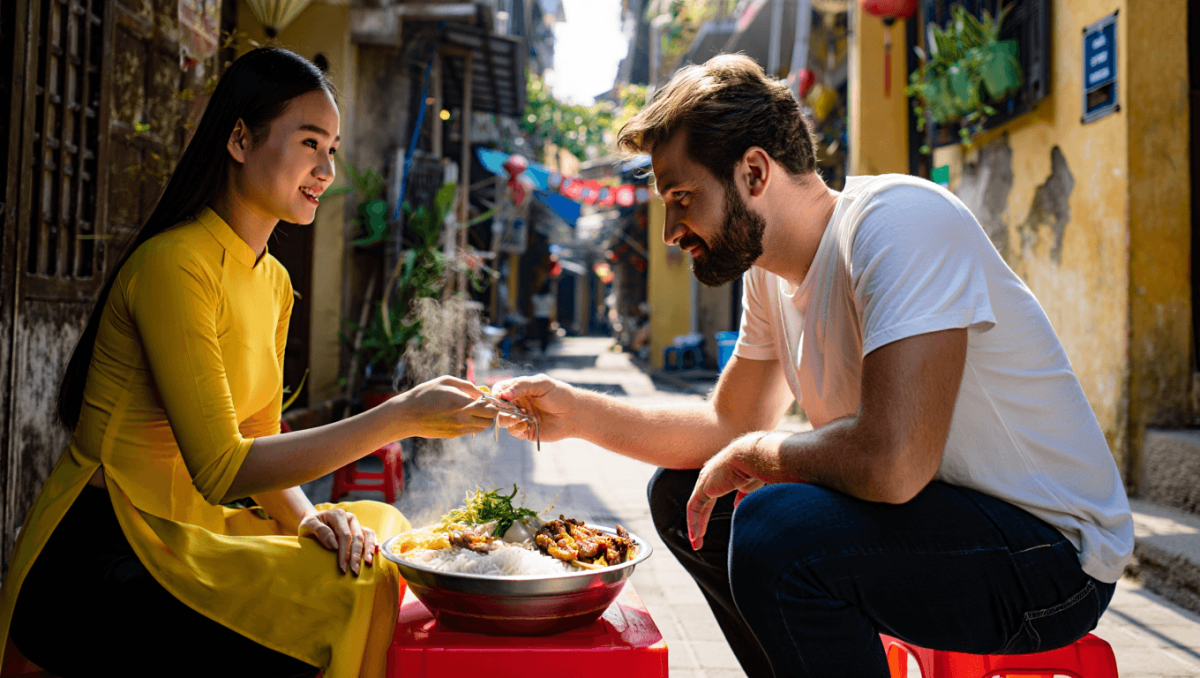
Hanoi has quietly climbed into the global spotlight, luring visitors with a mix of chaotic charm, street-side flavors, and history at every corner. A bowl of bún chả shared by unlikely companions put this city on many travelers’ radars, and now Hanoi is returning the favor with affordable luxury, unforgettable streets, and a travel scene that rewards curiosity.
Why Hanoi is drawing more travelers now
Vietnam’s capital is stylishly reinventing itself. Once overshadowed by Ho Chi Minh City, Hanoi now blends colonial architecture, local markets, and a growing culinary reputation.
Sophia Laforteza of Katseye announces hiatus: comes months after Manon Bannerman’s exit
Delta to return to Tokyo Narita hub in 2027: 7-year comeback
Hanoi’s rise feels earned. New hotels, improved infrastructure, and social buzz have made it a top pick for travelers to Southeast Asia.
Iconic spots you can’t miss in the Old Quarter
The Old Quarter is the pulse of Hanoi. Narrow lanes, vendors, and scooters create a sensory overload in the best way.
Train Street: a brief, heart-pounding spectacle
One narrow lane has become famous worldwide because trains pass mere inches from cafés. It’s thrilling to watch the rail cars glide through and vanish seconds later.
Experience tip: Sit at a small sidewalk cafe to feel the rumble and capture the moment. Trains here range from freight to passenger services, and the scene is brief but cinematic.
You can ride the rails yourself on some passenger services. Either way, the lane offers a one-of-a-kind view of Hanoi life.
Other must-visit sites
- Hoan Kiem Lake and Ngoc Son Temple for calm city strolls.
- Temple of Literature for a glimpse of Vietnam’s scholarly past.
- Local markets like Dong Xuan for souvenirs and street snacks.
Where to eat: Hanoi’s top tastes without the markup
Food is a main reason visitors fall in love with Hanoi. Street stalls, family-run restaurants, and refined spots all coexist.
Bún Chả Hương Liên gained fame after a high-profile visit and still offers genuine, wallet-friendly bowls. Expect smoky grilled pork, bright herbs, and rice noodles.
Vietnamese coffee is ubiquitous and bold. Try egg coffee at a local cafe for a sweet, creamy local specialty.
How much a trip to Hanoi typically costs
One of Hanoi’s strongest selling points is affordability. Your money goes further here than in many other Asian capitals.
- Hotel per night: around $80–$150 for mid to upscale choices.
- Dinner for two: roughly $30–$60 at a decent restaurant.
- Local beer: about $2–$4.
- Coffee: $2–$4 for street and cafe options.
- Taxi or ride-share (10 minutes): $3–$6.
For example, a five-star property in late May can dip into the $60–$80 range on deals, so check dates and book smartly.
Safety: what travelers should know
Hanoi has a solid reputation for safety, but perceptions vary as tourism grows. Travel indexes place Hanoi as generally safe for visitors.
Official guidance: Vietnam holds a low-risk advisory from major foreign services, and most visitors experience no serious issues.
Still, petty theft and traffic-related incidents are the most common concerns. Use standard precautions and stay aware in crowded areas.
Getting there: flights and connections from the U.S.
Direct U.S. flights to Vietnam are limited. San Francisco connects to Ho Chi Minh City on a few weekly services, while Hanoi usually requires a connection.
If you’re traveling from the U.S., expect one-stop itineraries through Asian hubs or a direct to Saigon from the West Coast on select days.
Getting around Hanoi like a local
Scooters dominate the streets. Riding one delivers freedom but requires confidence.
- Motorbike rental: tempting, but know U.S. licenses and many international permits aren’t accepted for legal driving.
- Grab and taxis: reliable for short trips; fares remain affordable.
- Walking: the Old Quarter rewards slow exploration on foot.
Safety note: Traffic flows differently here. If you walk into traffic calmly and predictably, drivers tend to adjust around you.
Quick itinerary ideas for 48 hours
- Day 1: Morning coffee and Hoan Kiem Lake. Explore the Old Quarter and catch Train Street later. Evening: sample bún chả and local beers.
- Day 2: Temple of Literature in the morning. Museum or French Quarter walk midday. Evening food tour or cooking class.
Practical tips and local etiquette
- Carry small bills and coins for market purchases.
- Learn basic Vietnamese greetings; locals appreciate the effort.
- Respect temple dress codes and remove shoes when asked.
- Use official taxi companies or ride-share apps for safety and fair pricing.
Where to find the best deals and updates
Watch hotel booking windows and weekday flight sales for the best rates. Follow local travel updates for safety and entry requirements.
Pro tip: Mid-week stays often come cheaper. Early bookings for popular restaurants and tours avoid disappointment.