Show summary Hide summary
- Why a U.S. agency at Milan-Cortina would be controversial
- What ICE is and why its presence matters
- How protesters and civil groups have mobilized
- Questions of law, jurisdiction, and Olympic protocol
- Potential scenarios and what each could mean
- How authorities and Olympic organizers have reacted so far
- Wider implications for migration policy and future events
- Next steps and what to watch
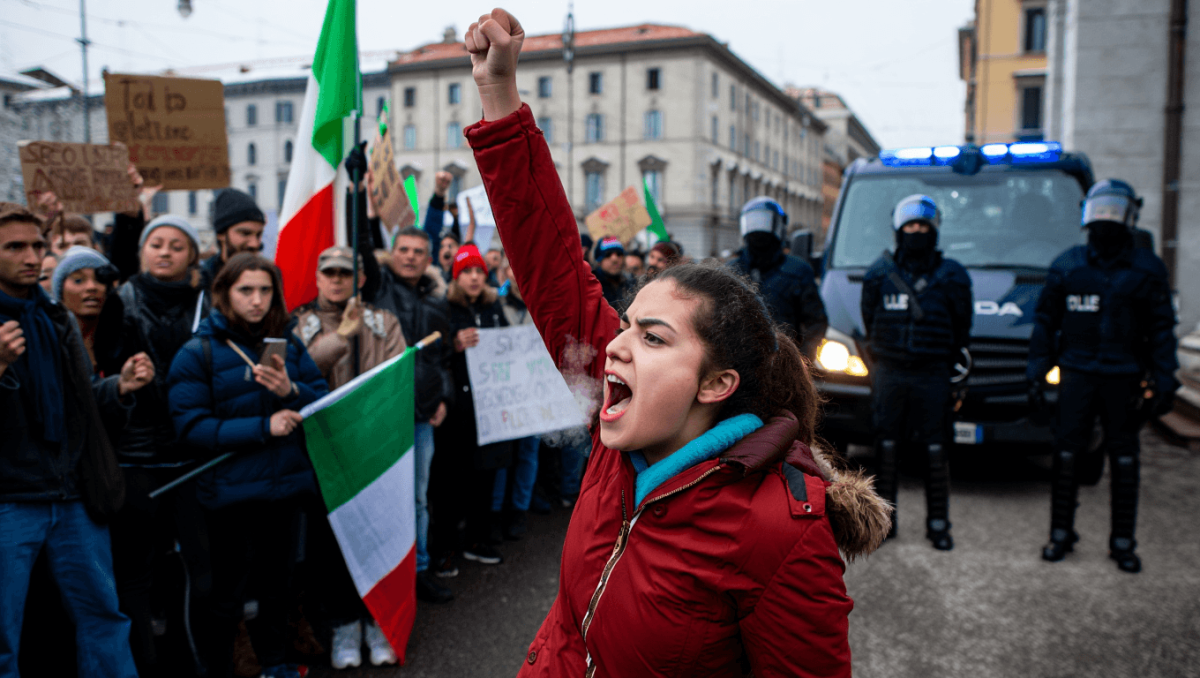
News that the U.S. immigration agency ICE could operate at the 2026 Winter Olympics has triggered sharp backlash across Italy. Streets filled with demonstrators, NGOs issued urgent statements, and politicians demanded answers as the prospect of a foreign enforcement presence collided with a global sporting celebration.
Why a U.S. agency at Milan-Cortina would be controversial
At the heart of the storm is a simple question: what role would a foreign immigration agency play on Italian soil during one of the world’s largest events? Critics warn that bringing ICE into the mix could blur legal lines and create a security model at odds with Italy’s approach to migration.
Dolly Parton: the surprising true story behind I will always love you
Miley Cyrus gushes over godmother Dolly Parton: the most loved person on the planet
- Sovereignty concerns: Critics argue any foreign operational role risks undermining national control over border and policing decisions.
- Human rights worries: Many activists fear intensified deportations or surveillance during the Games.
- Privacy and data sharing: The exchange of biometric or travel data with a U.S. agency raises fresh questions about safeguards.
What ICE is and why its presence matters
ICE is the U.S. agency responsible for immigration enforcement and customs investigations. It has powers that can affect who stays in the country, and how irregular movements are handled.
Core functions that alarm critics
- Enforcement operations that can lead to detention or removal.
- Intelligence and data-sharing efforts with local authorities.
- Training programs offered to overseas police and border units.
For many protesters, the idea of ICE operating at a high-profile event suggests a shift from temporary security cooperation to persistent enforcement action.
How protesters and civil groups have mobilized
From Rome to Milan, banners and chants have filled public squares. Demonstrations include student groups, immigrant-rights networks, and trade unions.
- Public marches aimed at drawing media attention.
- Open letters to the Italian government and Olympic organizers.
- Calls for legal reviews and parliamentary scrutiny.
Organizers have framed their protests as a defense of dignity for migrants and a stand against the normalization of foreign enforcement on Italian soil.
Questions of law, jurisdiction, and Olympic protocol
Legal experts say several knotty issues would need resolving before any foreign enforcement role could be formalized.
- Who has operational control in venues and accommodation zones?
- What legal authority would permit foreign officers to carry out arrests or checks?
- How would data be handled and who would guarantee due process?
Olympic hosts routinely coordinate international security. But adding a foreign immigration agency raises unique jurisdictional and civil-liberty questions.
Potential scenarios and what each could mean
Observers outline three broad outcomes if talks proceed:
- Limited advisory role — technical support without enforcement powers.
- Joint operations — shared intelligence but overseen by Italian authorities.
- Operational presence — foreign officers with active enforcement duties.
The third scenario is the most contested. It would almost certainly deepen protests and invite legal challenges.
How authorities and Olympic organizers have reacted so far
Italian officials have been circumspect. Organizers stress the need for robust security plans. Government spokespeople have promised to examine any proposals through legal and diplomatic filters.
Meanwhile, Olympic planners emphasize safety for athletes and visitors, leaving room for interpretation about which partners are brought on board.
Wider implications for migration policy and future events
Beyond the immediate dispute, activists warn of a precedent. If foreign immigration agencies are allowed operational roles at mega-events, this could reshape how states manage movement during future gatherings.
- Possible normalization of cross-border enforcement at public events.
- Increased pressure on host nations to accept external security partners.
- Heightened public debate over privacy, rights, and control.
For many Italians, the debate is not just about one agency or one event. It touches on who decides the rules that govern people on the move.
Next steps and what to watch
In coming weeks, expect more debates in parliament and renewed activism on the streets. Key developments to follow:
- Official statements from the Interior Ministry and the Italian Olympic Committee.
- Details of any formal agreement or memorandum of understanding.
- Legal challenges brought by civil-society groups.
Public attention is unlikely to fade while the Games draw nearer, and the issue could shape how Italy balances security and civil liberties during Milan-Cortina 2026.