Show summary Hide summary
- How Roller Rabbit shifted to a DTC-first model
- Limited drops, licensing and the recipe for instant sellouts
- Hand-drawn prints and Peruvian craftsmanship
- Audience building: social-first, but multi-channel
- Measured retail expansion and market testing
- Why experts say virality isn’t the whole story
- Balancing buzz with brand control
Roller Rabbit has quietly remade itself from a wholesale staple into a social-media-fueled, direct-to-consumer label. What once lived in department stores now sparks frenzied online drops, pop-up lines and TikTok virality, all centered on its playful prints and buttery-soft pajamas.
How Roller Rabbit shifted to a DTC-first model
Founded in 2003 by Roberta Freymann, the brand lived for years inside department stores and specialty shops. After new ownership in 2017, leadership chose a different path.
Sophia Laforteza of Katseye announces hiatus: comes months after Manon Bannerman’s exit
Delta to return to Tokyo Narita hub in 2027: 7-year comeback
- Wholesale accounts were scaled back dramatically.
- By 2023 the company stopped shipping to third-party retailers.
- Today the label operates about a dozen brand stores and a growing online business.
The result: the company has posted more than 30% annual sales growth over the past five years. CEO Ed Bertouch has guided the transition from a wholesale-heavy model to one built around direct customer relationships.
Limited drops, licensing and the recipe for instant sellouts
Roller Rabbit’s comeback rests on carefully timed collaborations and exclusive launches. Rather than maintain broad wholesale distribution, the brand now partners strategically.
- Collaborations with other names create scarcity and buzz.
- Capsule collections are distributed through licensing deals rather than open wholesale.
- Pop-ups and events amplify releases and let shoppers touch the product.
Notable moments include a high-profile 2024 collaboration that emptied stock in under a minute and a viral holiday capsule sold through a national coffee chain that vanished instantly from stores. The brand has also moved into new categories — including intimates late in 2024 — with several items selling out within hours. These limited drops have helped Roller Rabbit reach new buyers while protecting the brand’s pricing and exclusivity.
Hand-drawn prints and Peruvian craftsmanship
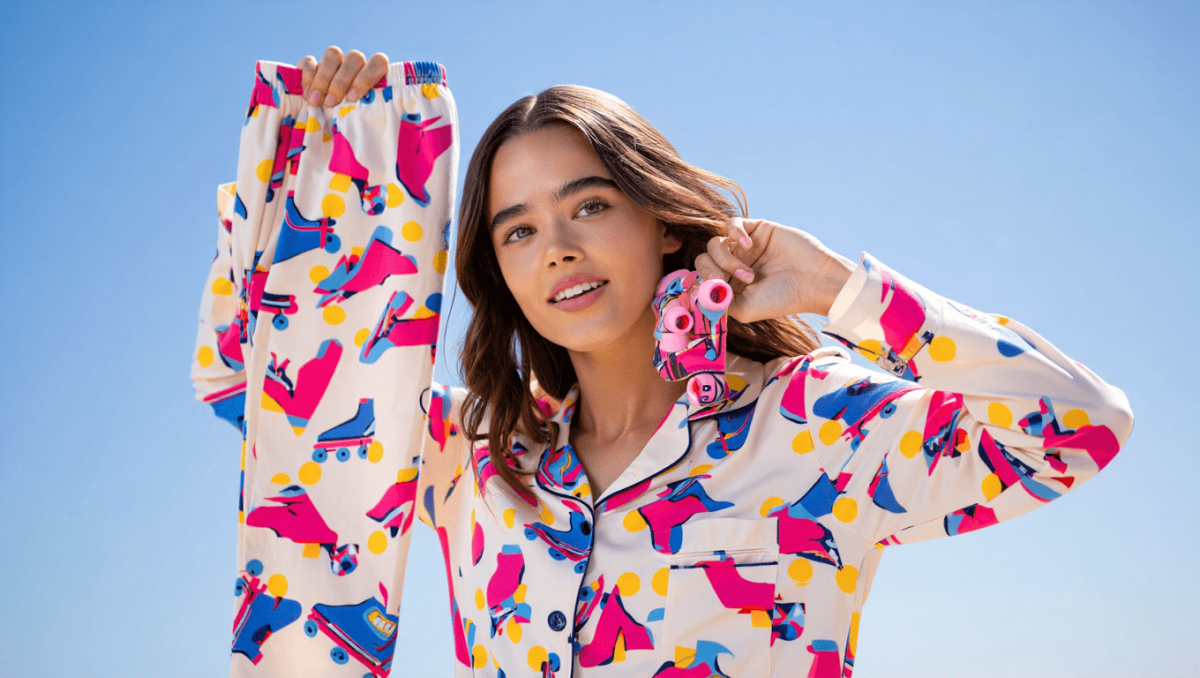
At the heart of the brand are its whimsical patterns and soft fabrics. Prints are sketched in New York, digitized, and produced in South America and South Asia.
Production has scaled with demand. The company added multiple family-owned facilities in Lima to increase output while keeping craft techniques intact. The result is signature sleepwear in Pima cotton that commands a premium price, with sets starting near $118.
Those iconic patterns — like the monkey and lion motifs — are central to the brand’s identity and shareability online.
Audience building: social-first, but multi-channel
Roller Rabbit’s marketing blends organic social content with offline tactics that reach different age groups.
Social media and organic reach
- The brand has amassed strong followings on TikTok and Instagram.
- Much of the budget is allocated to organic content rather than paid ads.
- Younger customers often generate the viral moments the brand benefits from.
Offline tactics to reach broader shoppers
- Pop-up stores let people experience the fabric and prints firsthand.
- Targeted direct mail reaches older customers who aren’t active on social apps.
- Campus tours and experiential activations engage Gen Z in person.
Recent activations included a college tour with a branded bus and exclusive campus-only products. The team is also testing new commerce channels like TikTok Shop, but with caution because of the platform’s fast-moving trend and “dupe” culture.
Measured retail expansion and market testing
Rather than a rapid store roll-out, Roller Rabbit is choosing careful expansion. Pop-ups remain a primary tool to test demand in new cities.
- Physical growth is deliberate; one new permanent location is slated to reopen in a southern city this year.
- Pop-ups and temporary activations inform whether a full store makes sense.
That cautious approach helps the brand avoid overextending while keeping experiential touchpoints for customers.
Why experts say virality isn’t the whole story
Marketing consultants note that attention alone won’t build a sustainable business. Turning a viral moment into lasting relevance requires moving beyond screens and creating experiences people want to join.
- Customization, exclusivity and partnerships drive cultural relevance.
- Limited-edition reworks of core products keep conversation alive.
- Organic media placements, such as a cameo on a popular TV show, can create valuable lift.
Roller Rabbit has leaned into those tactics, pairing product scarcity with in-the-wild visibility. At the same time, the brand’s creative tone has shifted. Where content was once precise and planned, there’s now room for looser, off-the-cuff videos aimed at younger audiences.
Balancing buzz with brand control
The company’s leadership emphasizes maintaining product quality and a clear brand voice while pursuing moments of excitement. Licensing deals let Roller Rabbit collaborate without returning to wide wholesale distribution.
By limiting who sells its product and when, the brand preserves demand and keeps its cultural momentum.