Show summary Hide summary
- From prompt to pitch: how the AI spun a Schrader-like story
- What the machine-created outline contained
- Schrader’s verdict and his plans for using AI
- On whether AI makes art or simply recombines it
- Ideas for reusing and reimagining old properties with AI
- Disagreement over hybrid models and the rise of synthetic protagonists
- What this means for writers, film schools, and the industry
- Audience reaction and the cultural stakes
- Where Schrader stands now as AI tools evolve
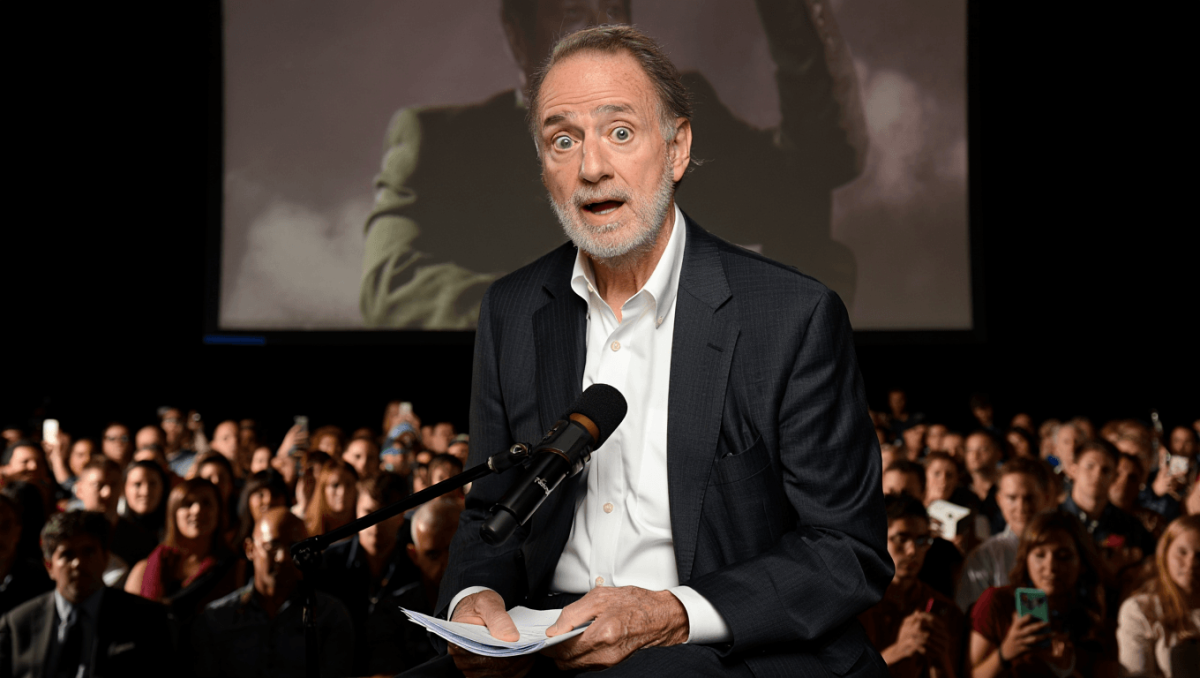
At a packed AI on the Lot keynote, veteran filmmaker Paul Schrader revealed an uncanny result of prompting a generative AI. The tool produced a dark, character-driven concept he accepted under a pseudonym for the bot, and the exchange sparked a wide-ranging talk about creativity, craft, and what the future may hold for film writers and studios.
From prompt to pitch: how the AI spun a Schrader-like story
Schrader fed OpenAI’s chat model a direct request: evaluate his body of work and propose an idea that felt like a film he might make. The system returned a compact treatment under the invented author name “Alex Indigo.” The director then nudged it to sketch the opening and final scenes, suggest alternate titles, and produce protagonist name options.
Sophia Laforteza of Katseye announces hiatus: comes months after Manon Bannerman’s exit
Delta to return to Tokyo Narita hub in 2027: 7-year comeback
- The AI offered a protagonist list from which Schrader favored Elias Vane, a name with Biblical echoes.
- It supplied a bleak, ritualized daily life and a late-night audio diary device as character habits.
- Alternate titles and scene outlines were delivered in minutes, not months.
What the machine-created outline contained
The concept the program produced reads like a moral thriller. Central elements included a lonely man, a past tied to religious activism, and a present job collecting medical debts for failing institutions. The story leaned heavily on guilt and secrecy.
- A former anti-porn crusader from the 1970s now works as a debt collector.
- He lives anonymously in low-end hotels and keeps nightly cassette-recorded confessions.
- Years earlier he covered up a teenager’s suicide at his church; that act haunts him.
- He becomes fixated on an amateur online performer, later revealed to be the dead girl’s daughter.
Schrader noted the outline echoed his themes: penitent loners, moral collapse, and ritual. He said the prose felt familiar, written in a voice that resembled his own sensibility.
Schrader’s verdict and his plans for using AI
He described the AI output as imperfect but promising. The director felt it captured Schraderian beats, though not yet at his personal level. Still, he marveled at the speed; where he usually needs months to vet an idea, the AI produced a viable concept in minutes.
Schrader emphasized he won’t take the AI’s pitch as-is. Instead, he plans to use it as a creative springboard while developing a separate project based on an older script. He also acknowledged the backlash from some peers and followers. Responses on social media ranged from alarm to outrage, which he likened to an emotional overreaction.
On whether AI makes art or simply recombines it
During his talk, Schrader made a sharp distinction: AI does not originate in the same way humans do. Rather, it recombines existing material. That said, the director argued recombination is already part of artistic practice.
He raised practical questions: if AI can produce competent music beds, background actors, or faithful reproductions of classic shows, what happens to the labor and training pipelines that support film production?
Examples he referenced
- Generic synth scores in streaming true crime shows.
- The economics of crowd scenes: paying, dressing, and feeding extras when simulation might suffice.
- Reviving legacy properties with synthetic performance rather than costly live shoots.
Ideas for reusing and reimagining old properties with AI
Schrader suggested studios could use generative tools to rework old intellectual property. He offered a playful example: a newly imagined episode of a classic sitcom where a simple medical mishap sets off a chain of comic disasters.
He said AI may recreate period detail and cast behavior with little expense. That capability, he argued, will alter what studios greenlight and how creators pitch work.
Disagreement over hybrid models and the rise of synthetic protagonists
At the conference, studio executives touted hybrid approaches that blend human performers with AI elements. They emphasized authorship, copyright, and audience comfort with human presence. Schrader pushed back.
He predicted audiences will accept fully AI-generated lead characters. He believes non-hybrid protagonists—digital actors conceived and performed by machines—are coming and will be embraced for reasons both creative and commercial.
“We will see wholly synthetic protagonists,” he said, speculating he might live to witness the shift.
What this means for writers, film schools, and the industry
Schrader posed a provocative question about film education: if AI can churn out technical craft, what should students learn? He urged a focus on idea generation, moral insight, and the human impulse that sparks narrative.
- Writers will need to sharpen conceptual originality.
- Producers must rethink budgets and staffing for effects and extras.
- Studios will evaluate legacy franchises as targets for AI-driven revival.
He conceded that AI tools can be tremendous assistants, especially in outlining and generating options. But he maintained that someone must supply the initial creative spark.
Audience reaction and the cultural stakes
The speech stirred debate among fellow creatives. Some applauded the practical curiosity; others reacted with suspicion or fear. Schrader framed that division as understandable: artists fear technologies that move faster than their ability to adapt.
He quoted an observer who described the new tools as machines that don’t always obey human commands. That unpredictability, he said, fuels anxiety in creative communities.
Where Schrader stands now as AI tools evolve
Far from rejecting the technology, Schrader expressed cautious curiosity. He sees AI as a tool that will change the shape of storytelling, production, and celebrity. He also warned that change will produce winners and losers.
For now, he plans to experiment, to borrow ideas from the machine, and to remain vigilant about authorship and artistic responsibility.