Show summary Hide summary
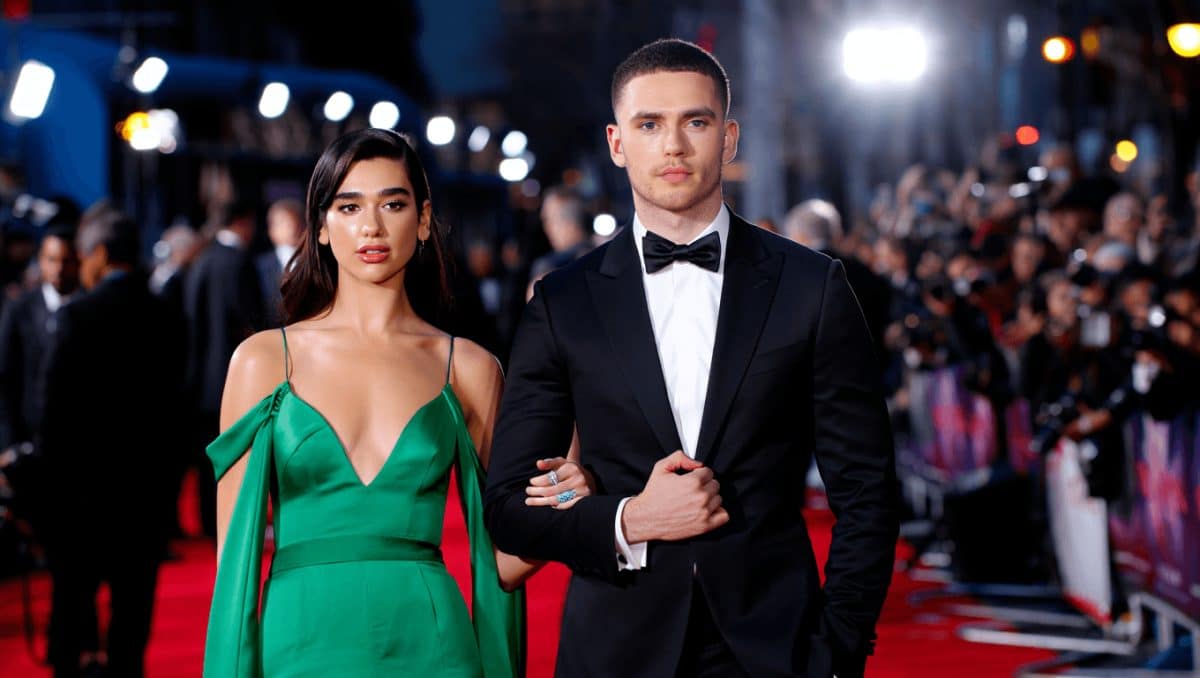
Ted Danson has returned to a painful moment from his past, telling a podcast audience he plans to atone for a controversial blackface bit he performed at a 1993 roast for then-girlfriend Whoopi Goldberg. His remarks reopen a decades-old debate about comedy, race and accountability as Danson reflects on how ambition and poor judgment led to the backlash.
Ted Danson’s public vow to make amends
On June 3, Danson spoke with host W. Kamau Bell about the roast incident. He described the choice as a serious mistake and said he intends to keep apologizing.
Sophia Laforteza of Katseye announces hiatus: comes months after Manon Bannerman’s exit
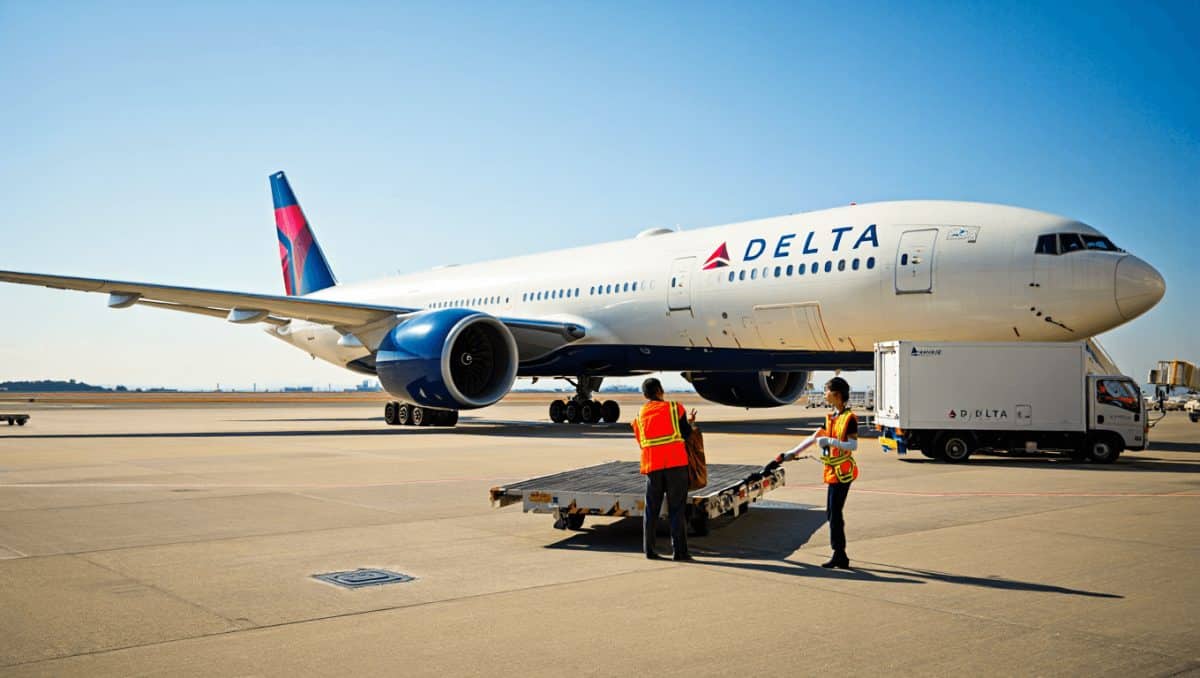
Delta to return to Tokyo Narita hub in 2027: 7-year comeback
He acknowledged the harm the stunt caused and said he understands why people still feel betrayed when they see footage today.
- He called his behavior arrogant and entitled.
- He said he plans to apologize for as long as it takes.
- He praised Goldberg for how she handled the fallout over the years.
How the 1993 Friars Club roast unfolded
The roast took place while Danson and Goldberg were in a public relationship. They had mixed feelings about attending, but the club threatened legal action if they pulled out.
Danson says he tried to create an over-the-top stage moment to match the room. Instead, the stunt went wrong almost immediately.
- The event was hosted by the Friars Club.
- Tickets and contractual pressures played a role in their decision to appear.
- The blackface bit provoked quick and intense backlash.
What Danson says drove him to do the bit
He explained that being an actor, not a stand-up comedian, made him overreach. He wanted a theatrical moment that would land with the crowd.
Danson also admitted he misread what would be acceptable onstage. He thought an exaggerated performance would translate as satire, but he calls that assumption “stupid.”
Factors he cites for the misjudgment
- Desire to match the energy of professional comics.
- Pressure to perform alongside a celebrated comedian like Goldberg.
- A mistaken belief that theatrical boldness justified the choice.
Goldberg’s role and the immediate defense
At the time, Goldberg defended the sketch in public. She explained the intention was to be funny for those involved and said she had helped craft parts of the performance.
Danson recalls that Goldberg stood by him amid criticism. He called her response graceful and noted she often had to answer for his actions.
How the moment aged and its cultural ripple effects
Footage of the roast has continued to circulate, prompting fresh reactions as conversations about race and representation evolved.
Danson said people who see the clip today have every right to be angry. He accepts that pain and plans to keep addressing it publicly.
- The clip resurfaces when debates over past performances arise.
- Public standards around race and comedy have shifted since 1993.
- Danson now frames the episode as a lesson in humility.
Key moments from Danson’s reflection
- He worked on the bit for months before performing it.
- He compares the immediate reaction to the shock of an electric jolt.
- He describes the choice as rooted in entitlement more than insight.
What listeners should know now
Danson has publicly owned the error and committed to ongoing apologies. He also credits Goldberg for her handling of the situation then and now.
The exchange highlights how celebrity actions are reassessed as social context changes. It also shows a performer wrestling openly with past wrongdoing.