Show summary Hide summary
- Frontier returns to the Bay Area and picks up two Spirit routes
- Which destinations are being restored
- Why the routes became available
- Impact on fares and traveler choices
- Airport officials and local reaction
- Operational details travelers should watch
- How this fits into wider airline trends
- What travelers can do next
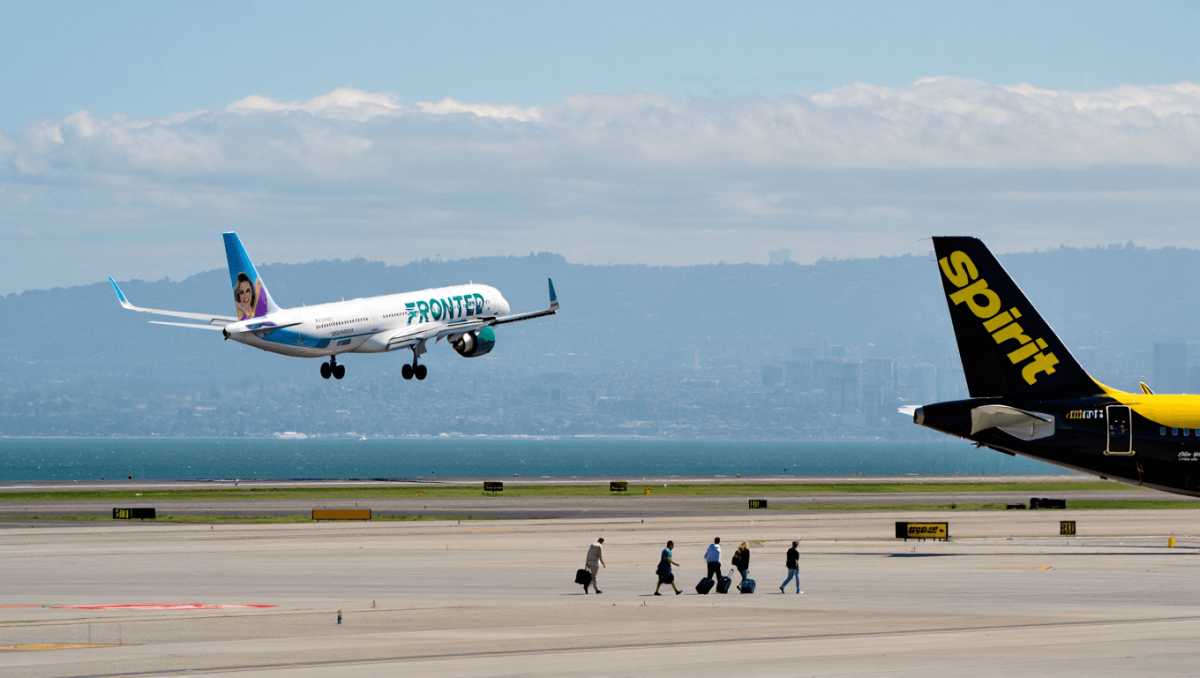
Frontier Airlines is making a comeback to a Bay Area airport, stepping in to operate two routes recently abandoned by Spirit Airlines. The move reshapes local travel choices and promises more budget-friendly options for passengers who had lost service after Spirit scaled back flights.
Frontier returns to the Bay Area and picks up two Spirit routes
Frontier confirmed it will restart service at a Bay Area airport and assume two routes Spirit recently vacated. The carrier said it sees an opportunity to restore connections that were important to leisure and budget travelers.
Sophia Laforteza of Katseye announces hiatus: comes months after Manon Bannerman’s exit
Delta to return to Tokyo Narita hub in 2027: 7-year comeback
This relaunch aims to fill gaps in the market and give travelers more low-cost options. Frontier’s decision follows broader changes in the ultra-low-cost carrier landscape.
Which destinations are being restored
The airline plans to operate two routes that were previously flown by Spirit. Exact schedules and frequencies will be announced soon, but Frontier says the flights will target popular leisure corridors.
- Daily and weekly frequencies are expected, depending on seasonality.
- Aircraft deployment will use Frontier’s narrow-body fleet designed for short- and mid-haul markets.
- Ticket sales for the new routes will begin once times are finalized with the airport.
Why the routes became available
Industry shakeups have left some routes unserved. Spirit Airlines reduced service at several airports amid strategic restructuring and industry consolidation. That left window seats for other carriers to step in.
Airlines often reconfigure networks after mergers, fleet realignments, or shifting demand. When one carrier pulls back, rivals frequently move to capture displaced passengers.
Impact on fares and traveler choices
Competition tends to lower fares and increase options. With Frontier entering these corridors, travelers can expect more promotional fares and flexible scheduling.
- More nonstop choices reduce travel time and connections for many passengers.
- Lower base fares could lead to more price-driven travel, especially on weekends.
- Ancillary fees still shape the final ticket price, so compare total costs.
Airport officials and local reaction
Airport leaders welcomed the news as a positive development for connectivity and tourism. Restored routes can boost local business travel and visitor numbers.
Officials noted the economic upside from filling seat capacity that had been lost when Spirit cut service.
Operational details travelers should watch
Passengers should watch for official schedule releases and booking windows. Frontier typically posts routes and fares several weeks before launch.
- Check the airport’s flight tracker for arrivals and departures once the airline files schedules.
- Sign up for Frontier fare alerts to catch introductory prices.
- Compare final costs, including baggage and seat fees, before booking.
How this fits into wider airline trends
The move mirrors industry patterns where low-cost carriers pivot quickly to exploit open demand. As carriers adjust networks, airports that retain flexible gate access often attract new service.
Smaller or mid-size airports can benefit most when airlines chase leisure travelers and price-sensitive segments.
What travelers can do next
If you had flights affected by Spirit’s changes, monitor both airline and airport announcements. Consider alternate travel dates or airports while booking the newly offered Frontier flights.
- Compare connections and total travel time before switching flights.
- Look for refundable or changeable tickets during initial sales periods.
- Follow official airline channels for the latest operational updates.