Show summary Hide summary
- Why foot traffic and demand are rising for sample sales
- From dresses to dishware: the categories 260 is adding
- How the 260 model works: a three-part service
- Pricing, baskets and shopper behavior at pop-up events
- Public vs. private: tailoring events to brand goals
- Timing, data and pricing strategy for optimal sell-through
- Who shops these sales: three customer profiles
- Why beauty and home categories perform well
- Marketing and discovery: social media and organic reach
- Financial upside for brands and measured expansion for 260
Shoppers hunting luxury labels at deep discounts are turning up in larger numbers, and 260 Sample Sale is at the center of that surge. The New York–born family business has broadened beyond clothes, picking up partnerships in beauty and home while drawing bigger crowds to its pop-up events.
Why foot traffic and demand are rising for sample sales
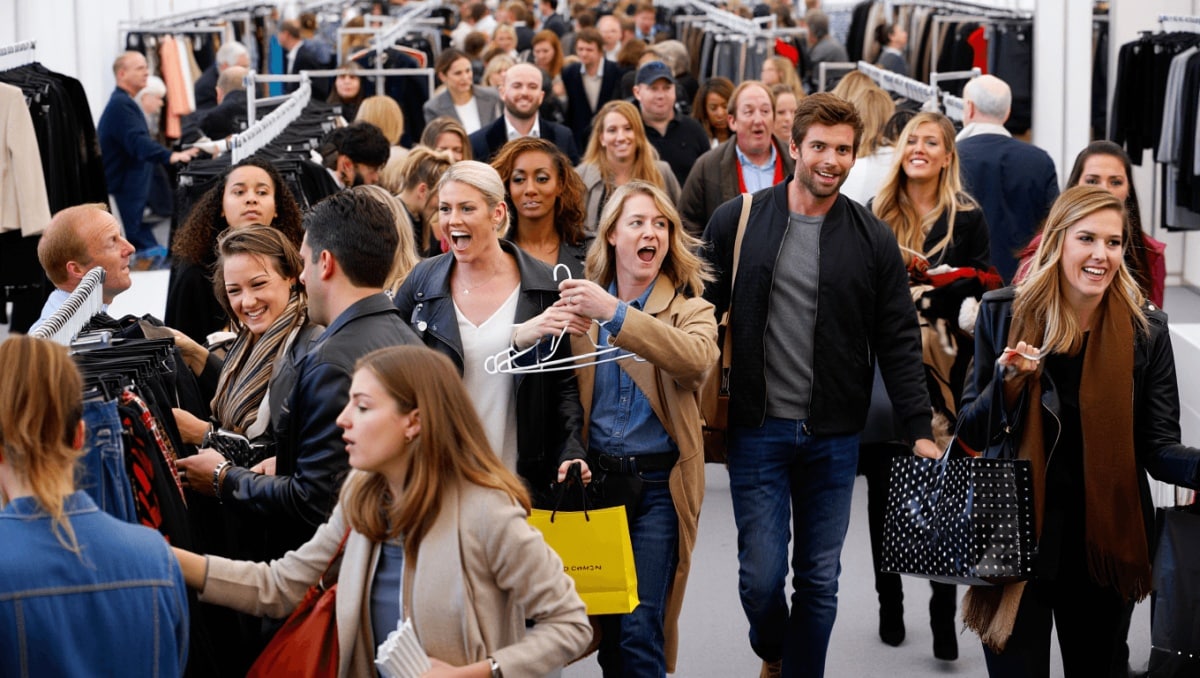
From 2024 to 2025, 260 Sample Sale recorded a noticeable uptick in visitors. The company reports a 10% increase in foot traffic, a signal that off-price shopping remains a strong draw.
Heated rivalry future revealed: gay hockey romance teases second season
Tony Shalhoub avoided Hollywood spotlight: daughter reveals surprising reason
- Value-driven shoppers: Consumers across income levels seek deeper value from brands.
- Exposure to aspirational labels: Sample sales let shoppers try names they might otherwise avoid.
- Social buzz: Long lines and curated finds generate online attention and organic discovery.
From dresses to dishware: the categories 260 is adding
While ready-to-wear remains the backbone of the business, 260 is steadily expanding into adjacent categories. The roster now includes bedding, plants, lighting and skincare.
- Bedding: Boll & Branch
- Plants: The Sill
- Lighting: Artemide
- Skincare: Dr. Barbara Sturm
These additions aim to capture shoppers who buy beyond fashion. As Assaf Azani, the CEO, puts it, people who appreciate fine clothing often want elevated home and beauty items, too.
How the 260 model works: a three-part service
260 operates as a partner, not a typical reseller. Its model splits into three operational pillars:
- Real estate: providing pop-up space across major U.S. cities
- Marketing: driving traffic with social outreach and promotions
- Operations: staffing stores, building fixtures and running events
Brands ship inventory to 260 and set prices. The company handles logistics, staffing and, if requested, promotion. Events run in New York, Los Angeles, Miami, Chicago and Dallas, and many have an online component.
Pricing, baskets and shopper behavior at pop-up events
260 typically advertises deep discounts. Items often sell for 70% to 90% off original prices. Basket sizes vary widely: some visitors spend a few hundred dollars while others spend four figures.
Analysts say the appeal is straightforward. Gartner director analyst Brad Jashinsky notes that value tops the list of traits U.S. consumers seek from brands. Even wealthy shoppers browse off-price events to find deals.
Public vs. private: tailoring events to brand goals
260 mixes public and invitation-only sales. Some events are open from start to finish. Others begin as VIP-only and then open to the public.
Private events became more common around 2018 after luxury partners asked for exclusivity. These controlled sales can reach new customers while reducing the burden on brand teams. Michael Prendergast, a managing director at Alvarez & Marsal, explains that luxury houses have long hosted private events for high-value clients — and outsourcing the logistics reduces liability.
Timing, data and pricing strategy for optimal sell-through
Most sales last about a week, though brands can choose longer or shorter windows. 260 uses historical data and live metrics to advise partners on pricing moves.
- Shorter events build urgency.
- Longer runs clear larger inventories.
- 260 recommends price reductions or inventory reshuffles when metrics lag.
Who shops these sales: three customer profiles
260 identifies three broad buyer types who shop at its events:
- Collectors hunting unique or standout pieces.
- Professionals stocking up on workwear basics.
- Bargain hunters buying luxury items unlikely to go on sale.
The company positions itself as curators rather than liquidators, selecting merchandise to match what their customers want to find.
Why beauty and home categories perform well
Beauty, in particular, produces high-volume transactions. Assaf Azani notes customers often buy multiple units in one visit — brushes, cleansers and makeup in bulk.
There are practical reasons brands favor beauty pop-ups: many products have a shelf life, and shoppers enjoy stocking up. Home goods and tabletop items also help 260 tap a wider audience with similar tastes.
Marketing and discovery: social media and organic reach
260 leverages social platforms to tease upcoming events. Its Instagram presence helps create anticipation and drives foot traffic. The company’s posts and follower base translate into both immediate sales and long-term customer acquisition.
- Pre-sale teases spark organic content.
- Influencer and customer posts extend reach without heavy ad spend.
- In-person buzz — long lines and pop-up energy — fuels online searches.
Financial upside for brands and measured expansion for 260
For many brand partners, sample events generate sizable revenue and introduce new buyers. Analysts estimate well-run sample sales can produce millions of dollars in incremental sales.
260 is cautious about growth. Still privately owned, the company emphasizes measured expansion into categories that resonate with its audience. The focus remains on adding offerings that customers actually want to see, rather than expanding for expansion’s sake.