Show summary Hide summary
Retailers are adopting playbook moves from the collectibles world to spark excitement in everyday shopping. From grocery aisles to apparel racks, limited drops and surprise boxes are popping up as tactics to drive foot traffic, social chatter and impulsive buys.
Why surprise drops and mystery boxes are gaining steam
Brands are tapping into the same psychology that fuels trading cards and designer toys: anticipation and the thrill of discovery. These formats turn routine purchases into moments of surprise.
Heated rivalry future revealed: gay hockey romance teases second season
Tony Shalhoub avoided Hollywood spotlight: daughter reveals surprising reason
- Scarcity builds urgency. Limited runs encourage shoppers to act fast.
- The reveal entertains. Mystery formats create shareable moments and social buzz.
- Community forms around scarcity. Fans trade, post and discuss finds online.
Major retailers testing the trend in stores and online
Target’s collectible-style apparel and toy drops
Target has rolled out staged, time-limited drops tied to a popular entertainment franchise. The retailer released two waves of themed apparel and toys this spring and summer. Offerings ranged from graphic tees and jackets to puzzles and sporting goods.
Target limited quantities per customer and encouraged early store arrival on launch day. The retailer also worked with digital creators to amplify the launches and keep excitement high.
Aldi’s grocery-focused Blind Box experiment
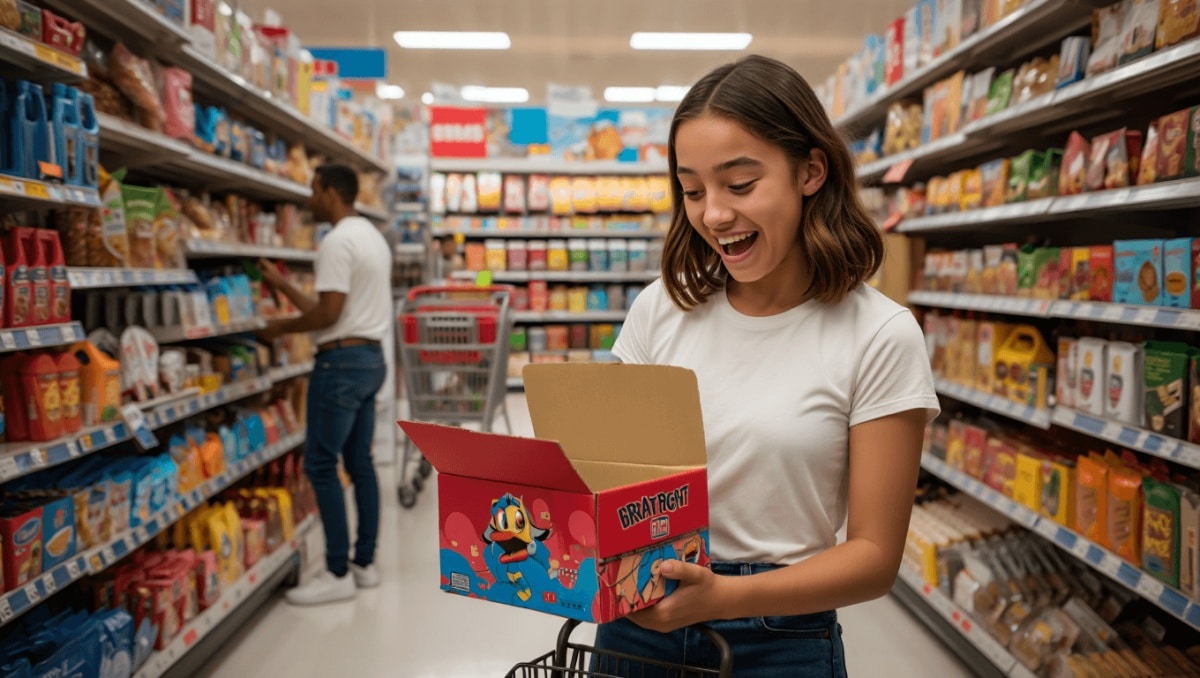
Aldi introduced a short-run “Blind Box” program that let shoppers sign up to receive free, surprise assortments. Themes included snacks and protein items, plus a mixed mystery box sampling products from across the store.
The first run sold out quickly. Aldi later released an additional 5,000 “encore” boxes to meet demand. The chain has long leveraged rotating seasonal finds to generate online chatter.
Trader Joe’s and the power of limited merchandise
Trader Joe’s leaned into viral enthusiasm for its branded tote bags by offering a limited set of new colors. Small, collectible-style drops like these keep loyal customers returning to check for fresh items.
What experts say about the strategy
Industry observers see the moves as an extension of off-price retail’s “treasure hunt” model. Making shopping feel like a discovery process can revive foot traffic.
- Experts note retailers must deliver entertaining, emotional experiences to win in physical stores.
- Curated, targeted drops work best for niche audiences inside the broader customer base.
- Social media amplifies these launches, letting brands get instant feedback from fans.
How brands set up successful limited releases
Retailers use a mix of tactics to make drops sell out and spark conversation.
- Limit-per-customer rules to spread access.
- Timed launches with staged waves to sustain attention.
- Creator partnerships to reach dedicated fan communities.
- Encore releases to reward hype without undermining scarcity.
- Direct social engagement to fine-tune assortments in real time.
Operational trade-offs and inventory questions
Pulling off mystery boxes and limited-edition drops requires tight coordination. Retailers must align planning, merchandising and logistics to move product fast.
Smaller, curated assortments demand more precise forecasting. But when executed well, the publicity and foot traffic can outweigh the complexity.
Consumer impact and marketing upside
For shoppers, these activations turn routine trips into moments of delight. For brands, the payoff is increased loyalty, earned media and rapid sell-through.
Limited drops and blind boxes turn products into events. That shift can deepen customer relationships and drive repeat visits.