Show summary Hide summary
- Why choose the Inca Trail over a train ride to Machu Picchu
- Book smart: logistics that make the trek possible
- Acclimatize right: Cusco and the Sacred Valley plan
- People on the path: family, friends and new allies
- Day-by-day highlights of the four-day route
- Camps that feed body and morale: mountain cuisine
- The Sun Gate moment and the final stair scramble
- Exploring Machu Picchu with context
- Smooth descent: trains, transfers, and a warm bed
- Reasons to book the classic Inca Trail now
Walking the Inca Trail changes how you think about travel. It strips away screens and elevators and replaces them with stone steps, high winds, and a very human rhythm. That energetic ache in your legs is part of the story—and the reveal of Machu Picchu from the Sun Gate is the payoff few trains can match.
Why choose the Inca Trail over a train ride to Machu Picchu
There is a difference between arriving at a landmark and earning the right to stand above it. Trains deliver comfort and quick views. The trail delivers context, sweat, and a desperate kind of joy. Hiking through cloud forest and puna gives you access to remote Incan sites. It also places you inside a landscape shaped by centuries of human labor.
Sunny Hostin’s 24-year-old son cited for trespassing on Metro-North tracks: she name-drops The View
Blake Garrett cause of death revealed: How to Eat Fried Worms child star’s death explained
- More than sightseeing: you trace original pathways and pass ruins visitors rarely see.
- Immersive pace: the route forces presence, conversation, and quiet reflection.
- Natural reveal: Machu Picchu appears from the Sun Gate—an earned panorama.
Book smart: logistics that make the trek possible
Permits, luggage transfers, domestic flights, and altitude are small details that can derail a trip. That’s why working with a specialist matters. My team used a Peruvian operator who handled the entire chain. When travel moves like clockwork, the trail becomes the focus.
- Airport meet-and-greets and guided check-ins.
- Pre-printed boarding passes and luggage re-checks.
- Private transfers between hotels, train stations, and trailheads.
- Trail permits, porters, cooks, and government checkpoint logistics.
Good logistics let you conserve energy for the trail itself.
Acclimatize right: Cusco and the Sacred Valley plan
Altitude makes or breaks an Andean trek. Jumping straight from sea level to 3,400 meters is a recipe for misery. The smart approach staggers elevation and activity. We spent two days easing into the air before hiking.
- Step 1 — Cusco (3,400 m): light walking, a city and ruins tour, and a calm first night.
- Step 2 — Sacred Valley (approx. 2,865 m): lower elevation to rest and walk terraces.
- Step 3 — The Inca Trail: ascend gradually toward the passes once lungs and legs are ready.
People on the path: family, friends and new allies
A long hike becomes a series of human moments. I walked with my father and a handful of friends. Others joined our group on the trail. By night three we were a tight unit. Shared struggle accelerates intimacy. The conversations you have under a canvas dining tent often outlast the photos.
- Shared tasks: everyone helps pack, cheer, and move forward.
- Cross-cultural connection: porters and guides bring stories and rhythm.
- Lasting bonds: the trail fosters friendships that begin as practical and end as lifelong.
Day-by-day highlights of the four-day route
Day 1 — Trailhead to Wayllabamba: a gentle immersion
The first day follows the valley and warms your legs. You cross a suspension bridge, pass agricultural terraces, and enter sections of restored Incan engineering. The campsite feels welcoming and the food may surprise you.
Day 2 — Warmiwañusqa (Dead Woman’s Pass): the toughest ascent
Day two is the physical test. The trail climbs relentlessly to 13,828 feet at Warmiwañusqa—known as Dead Woman’s Pass. The air thins fast. Progress becomes about breathing and rhythm.
- Mental grit: success here is steady pacing and focus on each step.
- Views: alpine mists and broad valleys reward the climb.
- Ruins en route: Runkurakay and Sayacmarca offer dramatic history and photo ops.
Day 3 — Chaquicocha to Wiñay Wayna: cloud forest and secret ruins
After the high pass the trail descends into humid, misted forest. This day feels like walking through history. Phuyupatamarca and Wiñay Wayna reveal terraces, ceremonial baths, and the dramatic stonework that preceded Machu Picchu.
Day 4 — Sunrise to Intipunku: the reveal of Machu Picchu
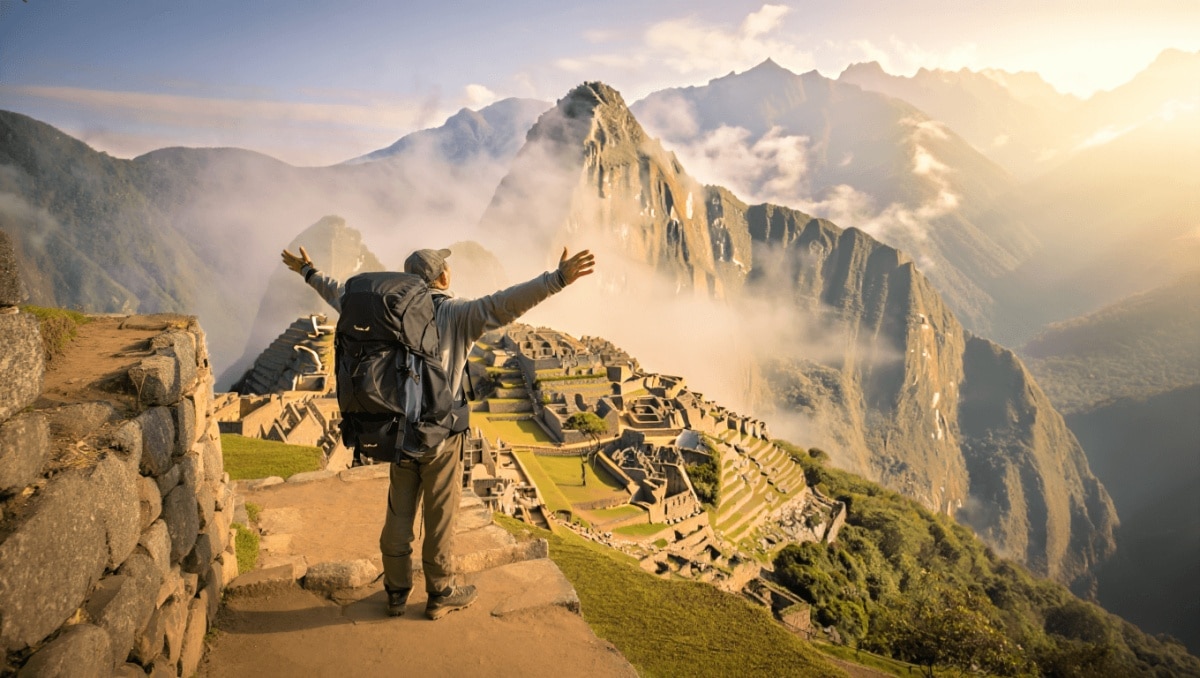
The final morning begins in the dark with headlamps. You climb toward Intipunku, the Sun Gate, and then the valley opens. This is the classic, cinema-ready moment where the city appears beneath you as fog lifts.
Camps that feed body and morale: mountain cuisine
Expect more than basic trail rations. A top team can produce multi-course meals on a ridge. Hot breakfasts and hearty lunches restore heat and calories. Dinners are often creative and surprisingly refined.
- Mornings: warm porridge, eggs, or pancakes.
- Lunches: hot multi-course meals to fuel the afternoon.
- Dinners: protein-rich dishes, fresh vegetables, and sometimes cake for birthdays.
Good food lifts spirits and aids recovery after long days.
The Sun Gate moment and the final stair scramble
Reaching Intipunku is the emotional apex. Hikers looking up from below see the ruins differently than those who earned the approach. The last steps include a steep stone staircase nicknamed the Gringo Killer. Move carefully and savor the moment when the city reveals itself.
Exploring Machu Picchu with context
Once inside the citadel, a knowledgeable guide changes everything. The stonework, terraces, and urban layout read like a textbook on engineering and ritual. The precision of the masonry and the site’s seismic resilience are impossible to miss.
- Guided interpretation reveals construction methods and social purpose.
- Walk the upper terraces, visit agricultural sectors, and breathe the valley air.
- Earned perspective: hikers often feel a different pride than day-trippers.
Smooth descent: trains, transfers, and a warm bed
After Machu Picchu you ride the Vistadome train through the valley. Panoramic windows and local music make for a relaxed return. From the station a private driver whisks you back to your hotel. Hot showers and a soft bed finally feel spectacular.
- Vistadome train for scenic comfort.
- Private transfer from station to hotel.
- Optional overnight near Lima before international flights.
Reasons to book the classic Inca Trail now
The Inca Trail resists quick consumption. It asks for time, fitness, and respect. In return, it gives rare views, exclusive ruins, and a deep sense of achievement. If you want travel that changes you, this route delivers.
- Transformative effort: physical challenge and personal growth.
- Exclusive sites: ruins not visible from roads or trains.
- Community: close bonds formed under canvas and stars.
- The reveal: seeing Machu Picchu from above is unmatched.