Show summary Hide summary
- Carry-on must-haves that prevent disaster
- Health and safety items that keep you moving
- Power, charging, and tech tools that save time
- Clothing and comfort gear for long delays
- Document, money, and security backups
- Situational tools that solve odd problems
- Packing strategies that keep essentials accessible
- How to react when the worst happens
Flights cancel. Phones die. Weather changes plans. The difference between a ruined holiday and a story you can laugh about later is often one small item in your bag. Below are practical, expert-tested travel essentials that help you recover fast when things go wrong.
Carry-on must-haves that prevent disaster
Keep a well-packed carry-on and you’ll avoid many common travel headaches. These items cover the basics when baggage is delayed or you face unexpected layovers.
Sunny Hostin’s 24-year-old son cited for trespassing on Metro-North tracks: she name-drops The View
Blake Garrett cause of death revealed: How to Eat Fried Worms child star’s death explained
- Spare clothes: one change of underwear and a lightweight layer.
- Toiletry kit: toothbrush, travel toothpaste, wipes, and a small sanitizer.
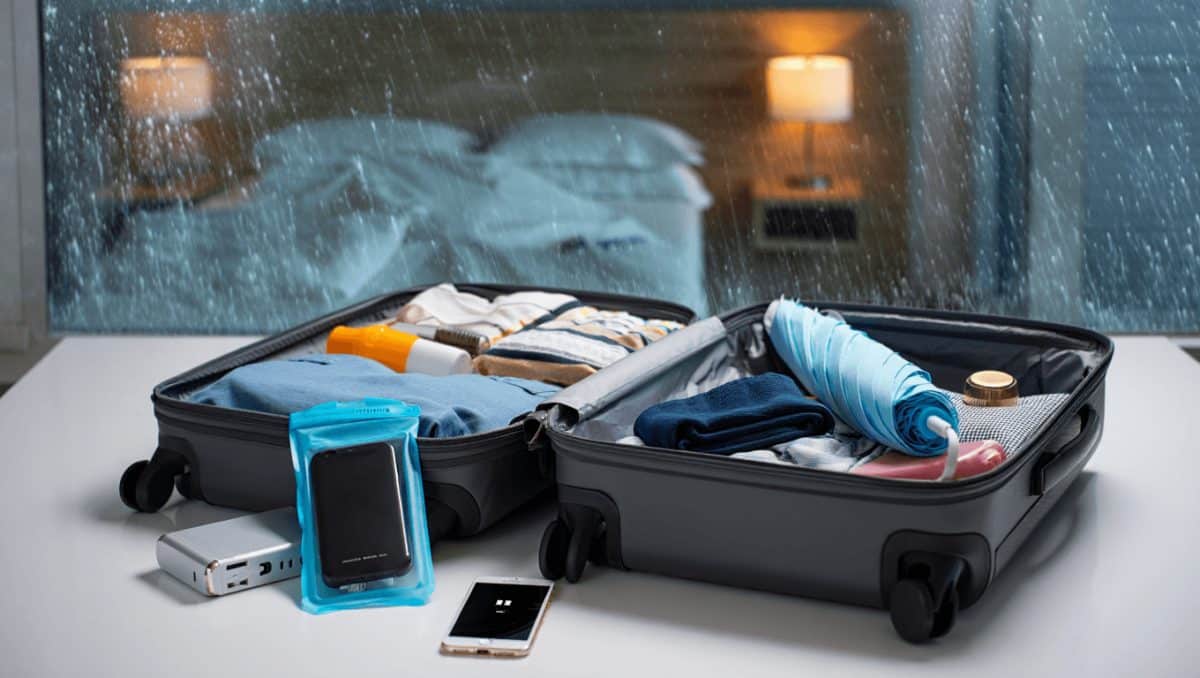
- Zip bags: waterproof your essentials and isolate wet or leaking items.
- Travel-size laundry soap: hand-wash a shirt in a sink and hang it overnight.
- Snacks and a refillable water bottle: energy bars and empty bottle to refill after security.
- Basic meds: pain reliever, antihistamine, and any prescription for at least a day or two.
Health and safety items that keep you moving
Illness or injury can derail plans. Pack items that address common issues and protect you in uncertain situations.
- Mini first-aid kit: bandages, antiseptic wipes, blister pads, and adhesive tape.
- Thermal blanket: compact and useful for cold delays or unexpected nights outdoors.
- Hand sanitizer and masks: good for crowded transport and medical settings.
- Water purification: tablets or a portable filter for travel in remote areas.
- Copies of prescriptions: both for meds and for specialty devices like inhalers.
Power, charging, and tech tools that save time
Lost power is a modern travel emergency. A few smart devices keep communication and navigation running.
- High-capacity power bank with enough charge to refill your phone multiple times.
- Multi-port charger: consolidate charging for phone, watch, and earbuds.
- Universal travel adapter with surge protection.
- Offline maps and downloads: save maps, tickets, and travel guides to your device.
- Phone repair kit: a small set of screwdrivers and a screen protector can buy you time.
Quick tech habits that help
- Charge devices to 100% before leaving accommodation.
- Turn off background apps to conserve battery.
- Store photos and documents in cloud and offline copies.
Clothing and comfort gear for long delays
Comfort matters when plans slip. The right clothing reduces stress and keeps you functional.
- Layerable clothing: lightweight jacket, hoodie, and breathable base layers.
- Compression socks: reduce swelling on long flights or bus rides.
- Inflatable travel pillow and eye mask: help you rest anywhere.
- Quick-dry towel: doubles as a blanket or makeshift pillowcase.
Document, money, and security backups
Small document mistakes create big problems. Triple-check identification and financial access before you travel.
- Digital and paper copies of passports and IDs.
- Two cards and some local cash: keep them in separate locations.
- Emergency contact list on paper, in case phones fail.
- RFID-blocking sleeve for cards and passport to prevent skimming.
Situational tools that solve odd problems
Often the items you don’t expect become lifesavers. Pack a few multi-use tools to cover odd situations.
- Multi-tool or compact knife (in checked luggage for flights).
- Folding tote bag: extra storage for souvenirs or wet clothes.
- Duct tape or repair tape: a few inches on a card can fix luggage or a broken strap.
- Portable door lock: adds extra safety in budget accommodations.
- Small flashlight or headlamp: power outages or late-night walks become manageable.
Packing strategies that keep essentials accessible
How you pack matters as much as what you pack. Use methods that let you reach key items in seconds.
- Layer by priority: place the items you need first on top of your bag.
- Use packing cubes to separate clothes, tech, and hygiene items.
- Keep duplicates in different places, like a spare charger in the daypack.
- Mark your bag with a bright ribbon or tag for quick ID.
How to react when the worst happens
Calm and methodical action shortens disruption. Follow simple steps if a problem occurs.
- Assess immediate safety and health needs.
- Use your carry-on supplies to bridge the gap.
- Contact your airline or provider quickly for rebooking help.
- Use online banking and backup cards if a payment fails.
- Document losses and file claims with receipts or photos.
Practical mindset for smarter recovery
- Stay flexible: alternate plans often rescue a day.
- Ask locals: they know shortcuts and reliable services.
- Keep receipts: for insurance and refunds.