Show summary Hide summary
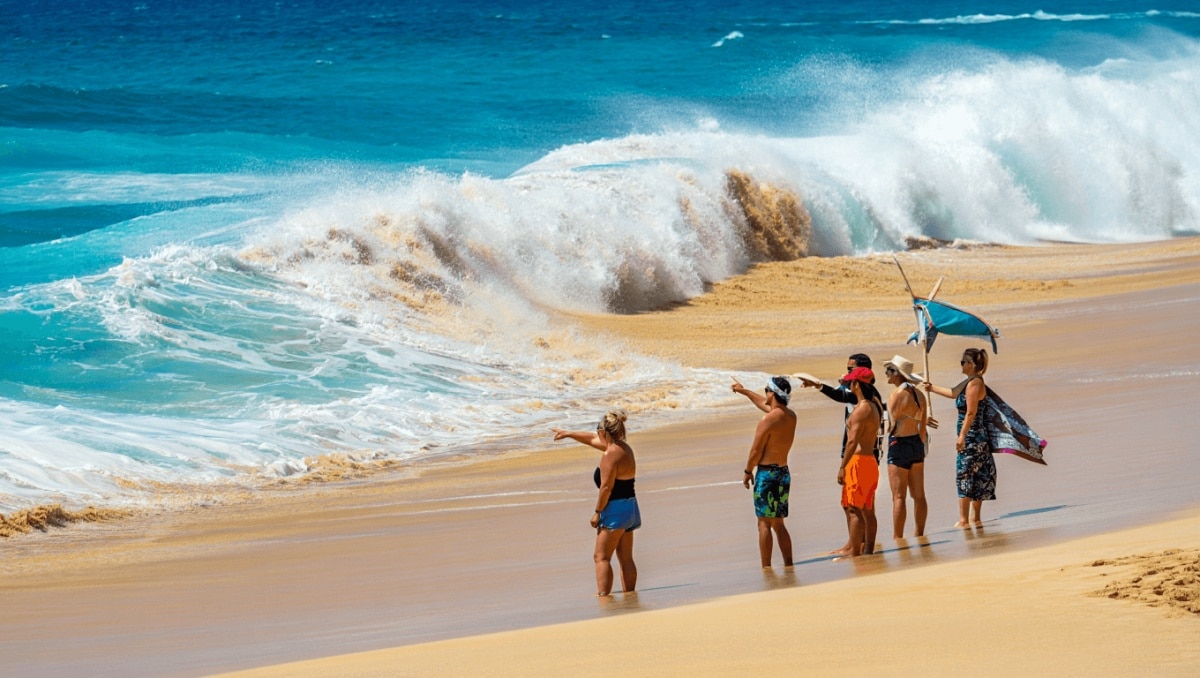
Turquoise seas and sunlit beaches welcome travelers to Los Cabos, but a powerful ocean swell is reshaping plans. Visitors should enjoy the views, but also follow local guidance and practical safety steps while the Pacific flexes its power.
What the new swell brings to Los Cabos shores
A substantial maritime swell is moving into the region this week. Expect bigger surf and stronger currents than normal.
Justin Timberlake finally confirms if what goes around was about Britney Spears: 20 years on
Druski hosts SNL tonight: how to stream for free
Authorities warn the swell can create six to eight foot waves and turbulent water for several days. These events, locally known as mar de fondo, are common in summer and can make conditions unpredictable.
- Waves and currents can peak quickly and last for days.
- Surf height is only one danger; shifting sandbars and undertows add risk.
- Even after the main swell subsides, the ocean may stay active.
Why many Cabo beaches are hazardous
Los Cabos sits where the deep Pacific meets coastline. That combination creates steep drop-offs, heavy shore breaks, and sudden undertows.
On seemingly calm days, the Pacific can produce sneaker waves that arrive without warning. When a major swell arrives, these natural hazards intensify.
How protected bays differ — and when they still matter
Some spots, like Medano Beach, Chileno Bay, and Santa Maria Beach, sit inside the Sea of Cortez or behind rock barriers. They are usually much safer for swimming.
However, no beach is completely immune during a large swell. Currents can strengthen and sandbars can shift, turning a previously gentle bay into a risky place to enter the water.
- Protected coves reduce wave impact but do not eliminate rip currents.
- Check conditions daily; calm in the morning can change by afternoon.
- Always follow lifeguard advice even at swimmable beaches.
Beach flag warnings you must obey
Lifeguards use a simple colored flag system to indicate safety. These flags are posted for your protection.
- Green: Conditions are generally safe. Stay alert and swim near lifeguards.
- Yellow: Exercise caution. Currents or waves are stronger than usual.
- Red: Dangerous conditions. Stay out of the water.
- Black: Beach closed to all swimming. Do not approach the surf.
Never ignore red or black flags. They reflect real, immediate danger and are enforced by local lifeguards and civil protection teams.
Alternatives to swimming when the ocean is wild
Rough seas don’t mean the vacation is ruined. Los Cabos offers many safe, memorable options.
- Relax at your resort pool — swim-up bars and cabanas make this a top choice.
- Dine at beachfront restaurants and watch the surf from a safe distance.
- Explore land adventures: ATV trails, desert tours, camel rides, and cultural districts.
- Book golf, spa treatments, shopping, or culinary experiences inland.
Visitor tip: Remember the mandatory tourist tax is often paid separately from your flight. Budget for it before you travel.
Quick safety checklist for visitors
- Always check the lifeguard flag before entering the water.
- Keep children and less confident swimmers well away from the surf line.
- Favor lifeguarded beaches and avoid isolated stretches of Pacific shore.
- Monitor local Civil Protection or resort advisories for real-time updates.
- Swap ocean swims for pools or land activities while the swell is active.
- Carry emergency contacts and know the location of the nearest lifeguard station.