Show summary Hide summary
- Why school play spaces matter now
- How the no-car schoolyard program functions
- What children and families can find there
- Local reaction and community impact
- Safety, equity, and environmental wins
- Funding, permits, and the legal framework
- Scaling the idea: from pilot to wider city adoption
- Voices from the ground
- Broader implications for urban planning and policy
- Next steps for residents and stakeholders
Zohran Mamdani has launched a simple, imaginative fix for overcrowded streets: turn schoolyards into car-free play zones where children can use space for free activities after hours. The idea blends public health, community-building and traffic safety into one locally driven solution that is gaining momentum across neighborhoods.
Why school play spaces matter now
Urban density and shrinking open space have left many kids without safe places to run. Parents and educators have long called for solutions.
Sophia Laforteza of Katseye announces hiatus: comes months after Manon Bannerman’s exit
Delta to return to Tokyo Narita hub in 2027: 7-year comeback
By designating school grounds as temporary no-car zones, Mamdani addresses several problems at once:
- Safety: fewer vehicles near play areas mean fewer accidents.
- Access: families get free spaces for sports and social time.
- Health: more outdoor activity helps physical and mental well-being.
How the no-car schoolyard program functions
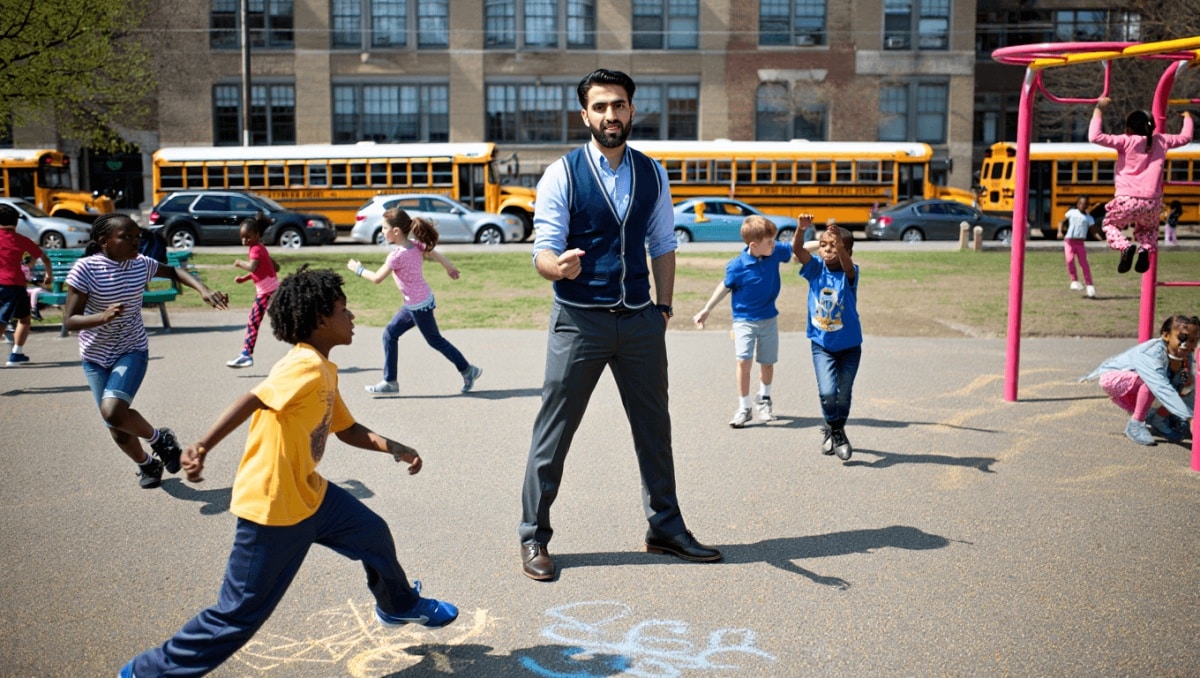
The plan is straightforward. After school hours and on weekends, selected school parking areas and adjacent streets are closed to cars.
Local organizers coordinate with schools and city agencies to schedule activities and ensure supervision.
Who manages the space
- School staff set opening hours and basic rules.
- Community volunteers help run games and sign-in tables.
- City traffic teams install temporary barriers and signage.
What children and families can find there
These car-free zones host organized and drop-in activities, all free for kids.
- Pickup sports like basketball and soccer.
- Creative workshops: drawing, dance, and music.
- Community-led classes: yoga, tutoring, and language meetups.
The emphasis is on accessibility: no fees, no complex registration, and inclusive programming for all ages.
Local reaction and community impact
Neighbors and families have largely welcomed the move. Many applaud how it reclaims underused asphalt for people.
Parents report immediate benefits:
- Children spending more time outdoors.
- Stronger ties between families and teachers.
- Lower congestion during designated hours.
Some drivers worry about parking displacement. Planners are studying traffic patterns to reduce disruption.
Safety, equity, and environmental wins
Beyond recreation, the policy offers broader wins for neighborhoods.
- Road safety: fewer cars near school entrances lowers risk.
- Equity: families in dense areas get space they otherwise lack.
- Environment: temporary car reductions cut localized pollution.
Funding, permits, and the legal framework
Turning school yards into public play zones requires paperwork and modest funding. Mamdani worked with agencies to clear roadblocks.
- Permits for street closures come from city transportation offices.
- Small grants cover signage, supervision, and equipment.
- Insurance and liability are addressed through school and city agreements.
Scaling the idea: from pilot to wider city adoption
The program began as a pilot at a handful of schools. Early results show increased participation.
City officials are evaluating data on attendance, safety incidents, and traffic effects.
Steps for expansion
- Review pilot metrics and gather community feedback.
- Adjust schedules and logistics to limit traffic impact.
- Secure recurring funding for staffing and supplies.
Voices from the ground
Teachers note improved student mood after active play. Parents say their kids have a reliable, safe place to burn energy.
Young participants emphasize the freedom to meet friends without screens. Community advocates call the change a model for other dense neighborhoods.
Broader implications for urban planning and policy
Car-free schoolyards point to a shift in how cities value public space. The approach treats school land as a flexible civic asset after classes end.
- It challenges planners to rethink parking-dominated land use.
- It suggests low-cost, high-impact ways to expand recreation.
- It offers a replicable model for cities with tight budgets.
Next steps for residents and stakeholders
Residents who want similar programs can petition local representatives and join pilot meetings. Schools can start with weekend closures and small events.
- Contact your local assembly member or school principal.
- Volunteer to help run activities or supervise play areas.
- Document outcomes to support expansion.