Show summary Hide summary
- Ratings growth that turned the show into an advertising magnet
- How partnerships are woven into the show’s fabric
- Maybelline, CeraVe and Coffee-Mate: familiar faces in new roles
- Poppi’s playbook: from meme-driven moment to global partnership
- Why appointment TV still matters to advertisers
- Designing partnerships that live beyond broadcast
- What brands are learning from the villa playbook
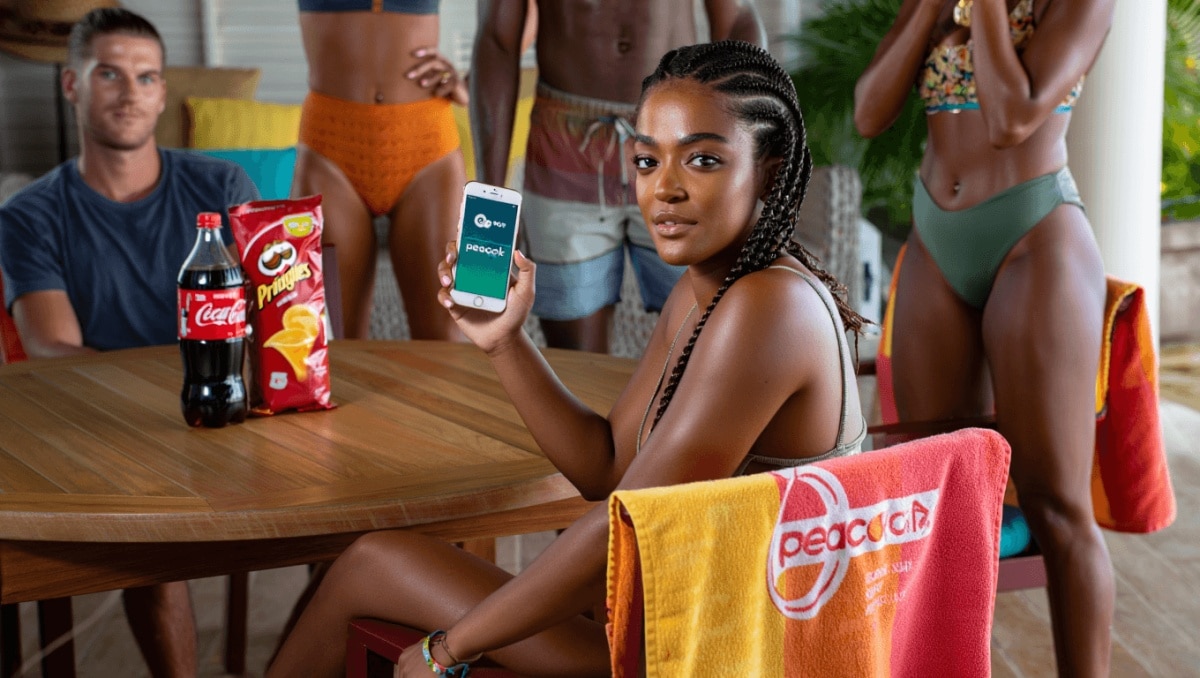
Peacock’s Love Island USA has evolved into a must-watch summer event, and this season’s commercial footprint is reshaping how brands approach reality TV partnerships. Advertisers are leveraging the show’s growing audience to build campaigns that extend well beyond the villa and into retail shelves, social feeds and live fan experiences.
Ratings growth that turned the show into an advertising magnet
The series has seen a clear rise in viewership this season, turning casual viewers into an engaged community. In the first week alone, Love Island USA delivered 1.31 billion minutes of viewing, a jump of roughly 69% year-over-year as measured by Nielsen. That scale matters to marketers because the format creates repeated appointment viewing across the week.
Heated rivalry future revealed: gay hockey romance teases second season
Tony Shalhoub avoided Hollywood spotlight: daughter reveals surprising reason
Airings every night and real-time fan voting mean moments develop quickly and spread on social channels. Brands spot ripe opportunities in that rhythm: sponsored games, product-packed dressing rooms and integrated promos that become part of the show’s narrative.
How partnerships are woven into the show’s fabric
NBCUniversal reports a major increase in ad commitments tied to the franchise. Across Love Island USA and its companion series, Beyond the Villa, brands boosted investment, with ad sales rising by around 73% compared with the previous season. The ecosystem includes:
- Seven integrated brand partners
- Nine custom-content collaborators
- More than a thousand media partners
Sponsors are not just buying ad time. They return season after season because the show offers a mix of scale, shared moments and social engagement. That explains why many returning advertisers appear in multiple formats: in-episode placements, preview clips, the show’s official app and bespoke challenges.
Examples of visible brand tie-ins
- Beauty brands: supplied products for contestants’ prep rooms and themed challenges.
- Food and beverage: product-led tasks or limited-edition packaging tied to fan favorites.
- App integrations: in-app content and push interactions during live episodes.
Maybelline, CeraVe and Coffee-Mate: familiar faces in new roles
Multiple legacy partners returned and expanded how they show up on screen. One cosmetics brand acted as the official beauty partner, providing on-set products and imagery during a themed challenge. Another household name in skincare and a coffee brand also reappeared in integrated activations.
These recurring relationships reflect a learning curve: advertisers have refined placements that feel organic. Rather than forcing a product into a scene, successful partners embed their goods where contestants naturally interact with them.
Poppi’s playbook: from meme-driven moment to global partnership
A standout example is prebiotic soda brand Poppi. A fan favorite contestant inspired a viral nickname and sparked social buzz. Poppi responded with a limited-edition flavor and custom can tied to that moment. The activation performed strongly enough to evolve into a broader, multi-market partnership.
The company’s push stretched beyond in-show integration into a 360-degree campaign. Tactics included:
- Retail merchandising and themed displays
- Creator collaborations and influencer activations
- Branded watch parties and live fan events
- Sweepstakes and gaming tie-ins
- Co-branded content with a popular cast member
Poppi reported that its Love Island content achieved over 33 million impressions on owned channels and a 16% engagement rate. Creator-driven clips reached more than 212 million views. Promotional programs also grew the brand’s direct marketing lists, adding thousands of new email and SMS subscribers.
Why appointment TV still matters to advertisers
Industry producers and media strategists point to Love Island as proof that appointment viewing remains valuable. Shows that generate shared conversations produce additional touchpoints for brands, both online and IRL. Those moments become fertile ground for experiential marketing and measurable digital amplification.
The appeal is twofold:
- Viewers watch together and discuss episodes in near real time.
- Advertisers gain settings for live events and watch parties that can be tracked.
That said, experts caution that not every advertiser is a fit. The effectiveness of a sponsorship depends on audience overlap. Brands must evaluate whether the show’s viewers match their target consumers before committing to integrated deals.
Designing partnerships that live beyond broadcast
Top-performing sponsors treat the program as the centerpiece of a wider strategy. Instead of one-off placements, they build campaigns that tie into retail, creators, app experiences and live activations. That multiplatform approach helps brands leverage the season’s cultural momentum.
Measures of success vary. Some partners prioritize direct response metrics like email sign-ups and product sales. Others aim for reach and cultural relevance by generating viral moments that audiences talk about the next day.
For newer entrants, the path often looks like this:
- Identify a moment or personality that resonates with fans.
- Create limited-edition products or co-branded packaging.
- Mobilize creators and retail partners to amplify the launch.
- Use in-show placement and app features to link awareness to action.
What brands are learning from the villa playbook
Marketers now see reality series as flexible platforms for sustained engagement. A single sponsorship can generate retail traffic, social buzz and owned-audience growth when executed across multiple channels.
Successful campaigns listen to fan culture and build experiences around the conversations viewers are already having. That means real-time agility, creative packaging choices and partnerships that feel native to the show’s world.