Show summary Hide summary
- Why greenhouse-grown lettuce is central to the safety conversation
- What salad chains and growers are telling customers right now
- Public health timeline and lingering questions
- How consumers are reacting and the market impact
- Communications tactics brands are using to rebuild trust
- Practical steps shoppers can take now
As reports of cyclosporiasis spread this summer, several lettuce growers and salad chains launched direct outreach to calm shoppers. Brands with greenhouse-grown produce and fast-casual restaurants are racing to explain why their products remain safe while public health agencies continue probing the outbreak.
Why greenhouse-grown lettuce is central to the safety conversation
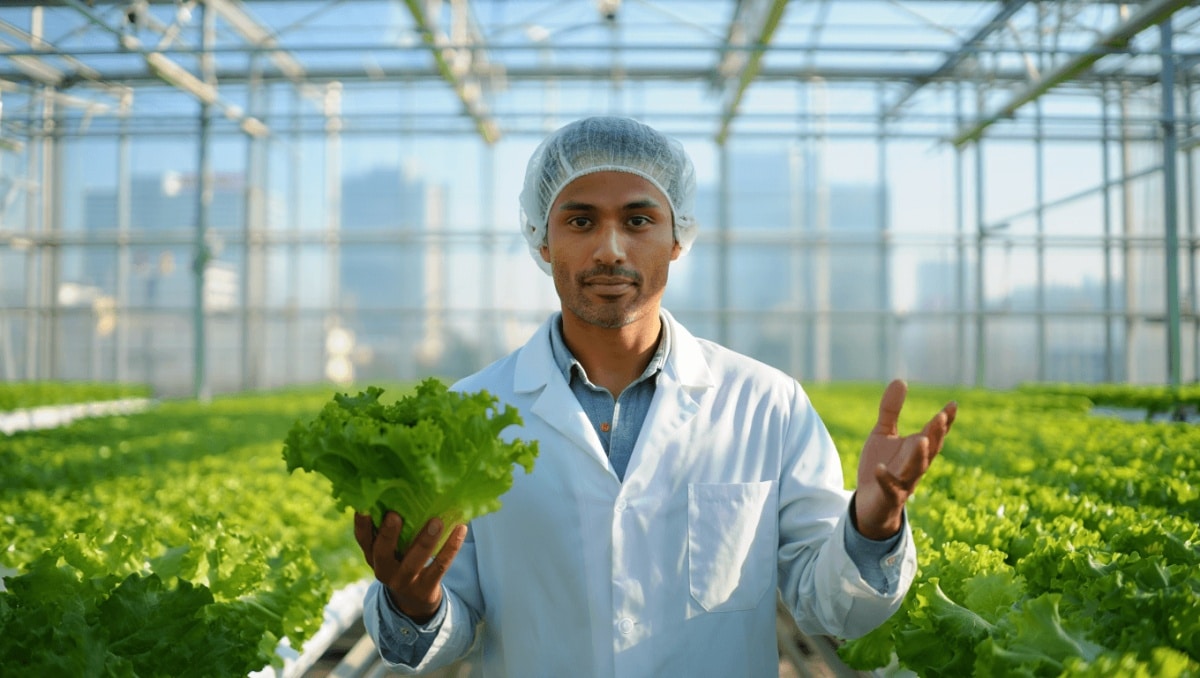
Producers that raise greens inside controlled facilities are emphasizing the differences between indoor and field production. Companies say their systems reduce exposure to soil, wildlife and other contamination sources tied to cyclospora.
Sophia Laforteza of Katseye announces hiatus: comes months after Manon Bannerman’s exit
Delta to return to Tokyo Narita hub in 2027: 7-year comeback
- Hydroponic and indoor operations: Firms point out that many of their crops are grown without contact with soil. Water is treated and monitored.
- Independent testing: Several growers stress routine water and product testing to catch problems early.
- Short harvest-to-shelf windows: Some greenhouse suppliers cut and package lettuce within 24–36 hours, shortening handling time.
Gotham Greens and Little Leaf Farms both publicized those practices. Gotham Greens noted its leafy greens and herbs are grown in indoor hydroponic greenhouses across multiple states. Little Leaf Farms highlighted treated rainwater and human-quality drinking water used for irrigation.
What salad chains and growers are telling customers right now
Fast-casual brands and growers are using social media, emails and open letters to reassure buyers. Their messages fall into two main threads.
- Separation from the outbreak: Chains like Sweetgreen have told customers their ingredients have not been linked to the investigation.
- Transparency about growing and packing: CEOs and marketing teams are posting videos and FAQ pages to explain production steps.
These communications aim to restore consumer confidence and reduce uncertainty. Public-facing content often includes photos of greenhouses and step-by-step descriptions of how the product is produced and tested.
Public health timeline and lingering questions
Federal agencies continue to investigate the source of the illness even as the number of reported cases grows.
- Case counts: Authorities have reported more than 4,100 lab-confirmed cases since May.
- Recalls and tests: An iceberg lettuce recall by one supplier prompted supply chain changes at restaurant partners. A subsequent FDA test produced results later described as a false positive.
- New clusters: Officials announced an additional cluster of dozens of cases in late July without naming a source.
- CDC tracking: The agency reduced its cyclospora surveillance in 2025, which complicates trend analysis.
- Safety note: The CDC says cooking to at least 158°F is the only sure way to kill the parasite on produce.
How consumers are reacting and the market impact
Uncertainty is altering shopping patterns. Some buyers are avoiding fresh produce. Others prefer locally sourced items they can verify in person.
- Foot traffic at several salad-forward restaurants fell sharply in mid-July.
- Reported declines included about a 24% drop at one chain and double-digit losses at other fast-casual outlets.
- Retailers and restaurants have responded with promotions and public updates to reassure customers.
Brands tied to the investigation face reputational pressure, while unaffected suppliers work to separate their supply chains from the story.
Communications tactics brands are using to rebuild trust
Marketing and PR teams have three main goals: inform, demonstrate safety steps, and reduce fear-driven behavior.
Common approaches
- Short videos showing growing and packing processes.
- Frequent posts and replies on social platforms to answer consumer questions.
- Data points on testing, water treatment, and time from harvest to delivery.
- Email alerts and open letters to customers and partners.
Early results indicate these efforts can help. Some growers reported spikes in website traffic and strong engagement on Instagram and Threads after posting clarifying content.
Practical steps shoppers can take now
- Check supplier labels and brand websites for growing and testing details.
- Follow updates from the CDC and FDA for official guidance.
- Wash produce under running water when possible, though cooking is the only surefire kill method.
- Consider buying from trusted local sources or producers that publish safety protocols.