Show summary Hide summary
- Why last meals grip public attention and click rates
- How I researched and translated reports into drawings
- Notable reported last meals I illustrated
- What patterns emerged across the plates
- Ethics on display: sensitivity vs. sensationalism
- How viewers reacted to the series
- Technical notes about the visual style
- Where this project fits in the true crime conversation
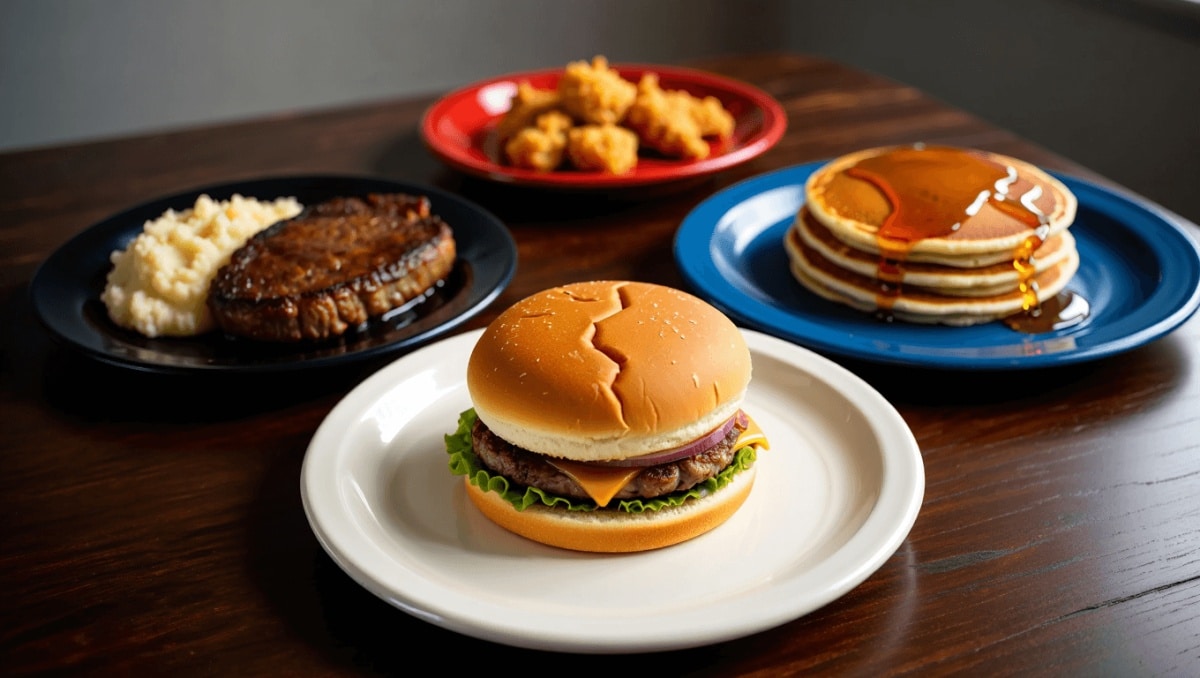
I followed a grim curiosity and set out to find the final meals of notorious killers, then turned each request into an illustration. The results surprised me. Some plates felt painfully ordinary. Others seemed bizarre or theatrically bleak. The project became a strange mirror on mortality, taste, and how society lingers on ritual before death.
Why last meals grip public attention and click rates
People are drawn to last meals because they humanize headline figures. Food is intimate. It can be comforting or defiant.
Sophia Laforteza of Katseye announces hiatus: comes months after Manon Bannerman’s exit
Delta to return to Tokyo Narita hub in 2027: 7-year comeback
- Ritual: A last meal is a final, controlled choice in a life otherwise defined by loss of control.
- Symbolism: Requests can read as statements — humble, extravagant, or oddly mundane.
- Curiosity: The public seeks closure through small details.
How I researched and translated reports into drawings
I blended archival reporting with illustration techniques to stay honest to sources. Not every report agrees, so I labeled items as reported when sources conflicted.
Research steps
- Compiled news reports and prison logs where available.
- Cross-checked multiple outlets to flag inconsistencies.
- Noted when information was disputed or unverified.
Art approach
- Kept compositions simple to let the food speak.
- Used muted palettes for somber meals and saturated tones for the surreal.
- Added subtle props to hint at context without sensationalizing.
Notable reported last meals I illustrated
I focused on well-documented cases and made clear when reports varied. Here are a selection of the meals that left the strongest impression.
- Ted Bundy (reported): A hearty steak dinner with eggs and toast. The plate felt domestic, almost mundane.
- John Wayne Gacy (reported): A fried shrimp order paired with simple sides. The fried texture reads like a concession to comfort.
- Aileen Wuornos (reported): Refused special offerings; a plain cup of coffee is often noted. The absence of a feast made the image quiet and stark.
- Other cases (reported): Fast-food combos, extravagant platters, and peculiar pairings all appeared across sources.
What patterns emerged across the plates
Certain themes repeated: comfort food, refusal, and strange combinations. These trends reveal as much about culture as about individuals.
- Comfort food: Steak, ice cream, fried items — foods associated with familiarity and satisfaction.
- Declined meals: Some waived a special request entirely, turning the moment into a muted act.
- Odd pairings: Unexpected menus produced unsettling visuals — sugary treats beside savory staples.
Ethics on display: sensitivity vs. sensationalism
Illustrating this subject required care. I aimed to avoid glamorizing violence while still examining human details.
- Sources were labeled and treated cautiously.
- Images focused on food, not on crimes or gore.
- Intent: The project asks why we fixate on these last small choices, not to celebrate perpetrators.
How viewers reacted to the series
Responses ranged from fascination to discomfort. Many saw the illustrations as a way to process heavy stories. Some felt the subject was too morbid.
- Comments noted the banality of some requests.
- Others found the bizarre combinations disturbing.
- Debates emerged about privacy, dignity, and the ethics of public curiosity.
Technical notes about the visual style
The illustrations balance realism and restraint to provoke thought without exploitation.
- Hand-drawn line work for texture.
- Flat color fields to emphasize form over flourish.
- Minimal backgrounds to keep focus on the meal itself.
Where this project fits in the true crime conversation
Last meals live at the intersection of justice, ritual, and popular imagination. They can humanize the condemned without erasing victims. My goal was to present those moments plainly.
- Reflection: Food can be a lens for larger ethical questions.
- Context: Reports vary, so imagery must acknowledge uncertainty.
- Responsibility: Artists reporting on dark subjects carry a duty to avoid sensationalism.