Show summary Hide summary
- Why small retailers are betting on in-store events
- How shops structure pop-ups and partnerships
- Case studies: What worked in real neighborhoods
- Measured impact: traffic and sales lifts
- Why food and beverage activations shine
- Programming that surprises and converts
- How shopkeepers choose collaborators
- Best practices for making events work
- What this means for experiential retail trends
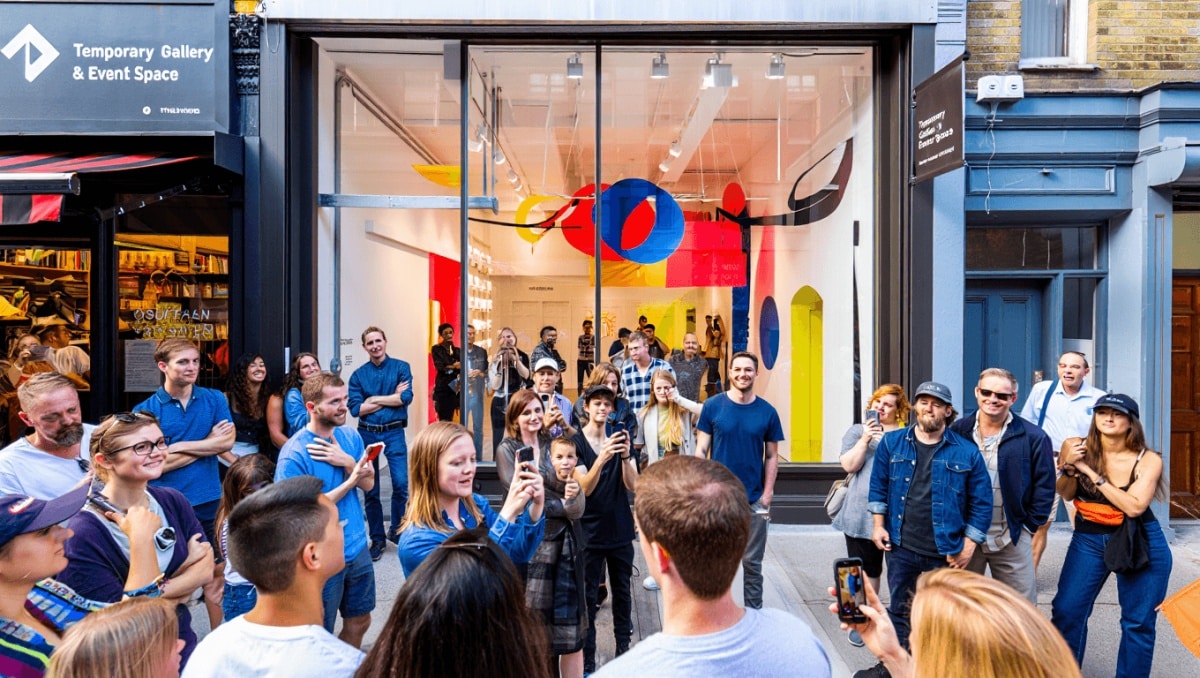
Neighborhood storefronts are being reborn as community stages. Independent shops are renting moments, hosting experiences and inviting collaborators into their square footage to boost foot traffic and diversify income.
Why small retailers are betting on in-store events
Foot traffic is unpredictable. Rising rents and fickle shopper habits push owners to rethink how they use space. Rather than rely only on window shoppers, many retailers now program live experiences to create reasons to enter.
Sophia Laforteza of Katseye announces hiatus: comes months after Manon Bannerman’s exit
Delta to return to Tokyo Narita hub in 2027: 7-year comeback
- New audiences: Events attract people who might never have noticed the brand online.
- Additional revenue: Short-term pop-ups and residencies add margin without long-term leases.
- Content and buzz: Food carts or performances generate social media posts that amplify reach.
How shops structure pop-ups and partnerships
Owners are taking a flexible approach. Some host weekly activations. Others reserve the space for weekend residencies. The model is simple: offer the premises, take a modest cut of sales, and let visiting brands drive promotion.
Examples of what retailers are inviting in:
- Artisan product residencies that run a week.
- Food and beverage carts for short windows.
- Closet sales and vintage takeovers by designers.
- Book launches, open-mic nights and community gatherings.
Case studies: What worked in real neighborhoods
P.F. Candle Co., with locations across major cities, now programs recurring activations. Managers are empowered to curate events that suit their neighborhood. The brand also opens floors to pop-up partners.
One residency featured hand-painted beeswax candles from a maker known for food-inspired pieces. The collaboration earned press and brought new visitors to the store.
Another retailer in Brooklyn has turned its shop into a rotating marketplace. The owner hosts launches and trade events that pair well with the store’s vintage inventory.
Measured impact: traffic and sales lifts
Retailers tracking results report clear uplifts when events align with local demand. In some locations, weekends with pop-ups outperformed typical weekends by noticeable margins.
- Echo Park weekends with pop-ups: ~17% sales lift.
- New York pop-ups: ~34% average increase.
- San Francisco activations timed with neighborhood festivals: up to 31%.
Why food and beverage activations shine
Small culinary set-ups are effective because they require little real estate and drive crowd formation. A matcha cart or spritz station creates a visible draw. Passersby see a line and stop to investigate.
The social element matters too. When customers take photos or share short videos, the store benefits from organic promotion.
Programming that surprises and converts
Successful events often start with a single clear idea, then plant discovery points around it. A singing open-mic or a denim trade can bring in people for one purpose, who then discover other products.
- Host low-cost, high-engagement formats first.
- Encourage cross-promotion with visiting brands.
- Train staff to guide visitors from the event space to retail displays.
How shopkeepers choose collaborators
Selection matters. Small-business owners evaluate potential partners for fit and return. Many rely on organic social posts and event calendars rather than paid ads to promote activations.
Key considerations when approving an event:
- Brand alignment with the store’s audience.
- Operational ease and minimal setup burden.
- Expected foot traffic and promotional reach.
- Clear financial terms, often a small percentage of sales.
Best practices for making events work
Owners who succeed share common tactics. They keep events frequent enough to build momentum. They allow local managers to tailor activations. And they stay selective to protect day-to-day operations.
- Start with free or low-cost events to lower barriers.
- Document each activation’s performance for future decisions.
- Leverage partners’ audiences for wider promotion.
- Reserve inventory space for peak seasons to avoid overcrowding.
What this means for experiential retail trends
Converting retail space into a temporary community hub is now a practical strategy. It helps independents compete where traditional footfall is no longer reliable.
Smart activations can turn a four-wall store into a local destination, create new revenue streams and introduce products to fresh audiences.