Show summary Hide summary
- Big-name drops turning restaurants into lifestyle labels
- Summer collaborations that grabbed attention
- Why design choices are changing
- How these drops support marketing goals
- Measuring impact: signals and metrics
- What makes a collaboration believable?
- Social and regional dynamics
- Practical lessons brands are learning
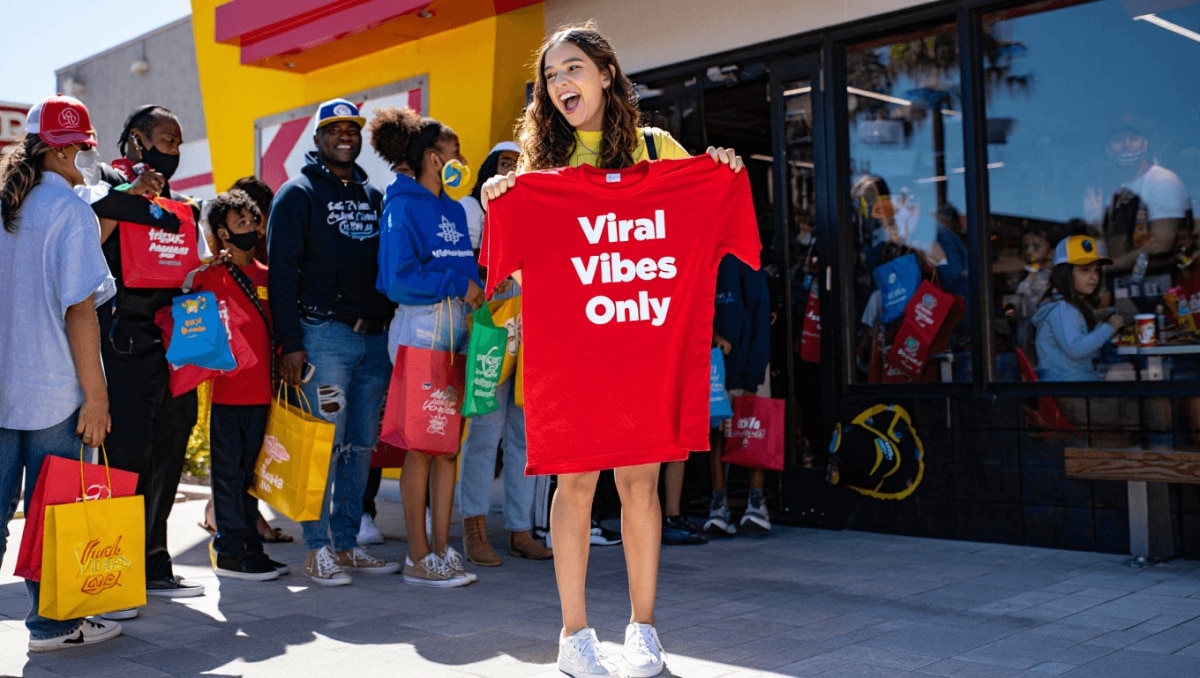
Merchandise is no longer just a giveaway at the counter. This summer, food and beverage companies turned limited-edition apparel and accessories into headline-grabbing campaigns that reach customers beyond menus.
Big-name drops turning restaurants into lifestyle labels
Fast-food and coffee chains are treating merch like product launches. These drops do more than sell tees. They extend brand identity into wardrobes and daily life.
Heated rivalry future revealed: gay hockey romance teases second season
Tony Shalhoub avoided Hollywood spotlight: daughter reveals surprising reason
- Visibility: Branded apparel brings restaurants into cultural conversations.
- New audiences: Collaborations with fashion labels or influencers draw in people who might not visit for food.
- Lifestyle positioning: Limited runs make a chain feel like a trend driver rather than just a place to eat.
Summer collaborations that grabbed attention
This season produced a steady stream of co-branded collections. Each partnership targeted different audiences and played to distinct aesthetics.
Starbucks x Dandy
Starbucks linked a summer orange-cream beverage push to a merch drop with a Southern California label. The range includes travel cups, embroidered sweatshirts and hats. The coffee giant framed the collection as part of its summer road-trip creative.
Dunkin’ creator partnerships
Dunkin’ rolled out several creator-driven drops. Collaborations included an influencer fashion line and a high-profile celebrity partnership. The chain also created an official online merch hub to host these limited collections.
Gap x Los Tacos No.1
New York’s Los Tacos No.1 inspired a capsule with Gap. The pieces riffed on kitchen workwear and featured graphics from a local artist. The collection reimagined classic silhouettes with restaurant-rooted details.
Lands’ End x Wawa
Lands’ End designed a beach-friendly tote specifically sized for a Wawa Shorti hoagie. The three-piece set included a tee and a bag charm. The Shorti Tote sold out quickly and sparked strong regional buzz.
Why design choices are changing
Brands are moving past gimmicks. Many drops now emphasize practical utility and everyday wearability. This represents a deliberate shift in creative strategy.
- Functional pieces that customers will actually use.
- Design details that reference brand heritage subtly.
- Collaborations that fit into consumers’ routines, not just their feeds.
Limited editions that feel useful are resonating more than novelty items alone. Brands want merchandise that integrates with daily behavior.
How these drops support marketing goals
Merch serves several strategic aims beyond immediate sales.
- It boosts brand salience at events and in public spaces.
- It creates earned media when influencers and customers post about the items.
- It lets a brand borrow relevance from a partner’s audience.
Industry trackers say these collaborations help strengthen consumer relationships. A brand with high awareness can use partners to deepen preference among specific groups.
Audience targeting through fashion partners
When a restaurant teams up with a fashion label, the creative can appeal to demographic groups that might be harder to reach with ads alone. For example, a female-focused clothing partner can help build preference among women. These moves are not accidental; they are crafted to align product, partner and audience.
Measuring impact: signals and metrics
Brands and analysts watch a few clear indicators after a drop.
- Sell-through and stockouts, which show demand intensity.
- Social engagement and share volume, which measure cultural buzz.
- Shifts in brand preference within key demo groups.
Rapid sellouts and social momentum are often the first sign a collaboration is working. But the long-term payoff comes when merch keeps a brand top of mind outside the store.
What makes a collaboration believable?
The strongest partnerships feel authentic to both sides. That authenticity shows in product choices and storytelling.
- Designs that reference a brand’s rituals or origin story.
- Products that solve a real customer need—like a hoagie tote for beachgoers.
- Campaigns that include in-store activations or menu tie-ins.
Authenticity matters more than noise. Consumers notice when a collab is purely transactional. The most successful drops provide a clear reason for the two brands to be connected.
Social and regional dynamics
Many of these limited runs spark intense local enthusiasm. Regional affinity can amplify demand for certain items. Social platforms act as discovery engines and amplify scarcity.
Examples from this summer showed shoppers traveling between nearby stores to find remaining stock. That behavior creates earned publicity and extends the life of a campaign.
Practical lessons brands are learning
Companies experimenting with merch are learning what works and what does not.
- Keep runs small to generate urgency.
- Pair drops with menu items or in-store moments for cohesion.
- Choose partners whose aesthetics genuinely align with the brand.
When a drop is paced well, it can drive both short-term excitement and continued relevance. Brands that treat merch as a marketing channel, not just a profit center, tend to see more cultural impact.