Show summary Hide summary
We staged a timed run from John F. Kennedy International Airport to the Empire State Building to see which way through New York City wins on speed, cost and predictability. Between packed trains, traffic snarls and a surprise helicopter option, the experiment revealed clear trade-offs. Below are the methods we tested, the real door-to-door times, and practical tips to choose the fastest route for your trip.
How we set up the JFK-to-Empire State test
JFK to Empire State Building: which mode of transport wins the race?
Dolly Parton funeral song revealed: the surprising choice she wanted at her own service
We launched all options from the same terminal around midday on a weekday. Each leg was timed from curb or gate exit to the Empire State Building lobby door. That includes walking, waiting, transfers, and traffic delays.
- Team: two reporters and coordinating spotters in the city.
- Start: each mode began at the same time to mirror a simultaneous race.
- Measured: total door-to-door minutes, out-of-pocket fare, and comfort.
- Conditions: typical midweek traffic and normal AirTrain frequency.
Modes we raced and why they matter
We picked common choices travelers face after a long flight. Each option reflects a different priority: cheapest, least transfers, lowest uncertainty, or sheer speed.
Options tested
- AirTrain + LIRR to Penn Station — a hybrid rail option favored by commuters.
- AirTrain + Subway (E or A lines) — the public-transit budget choice.
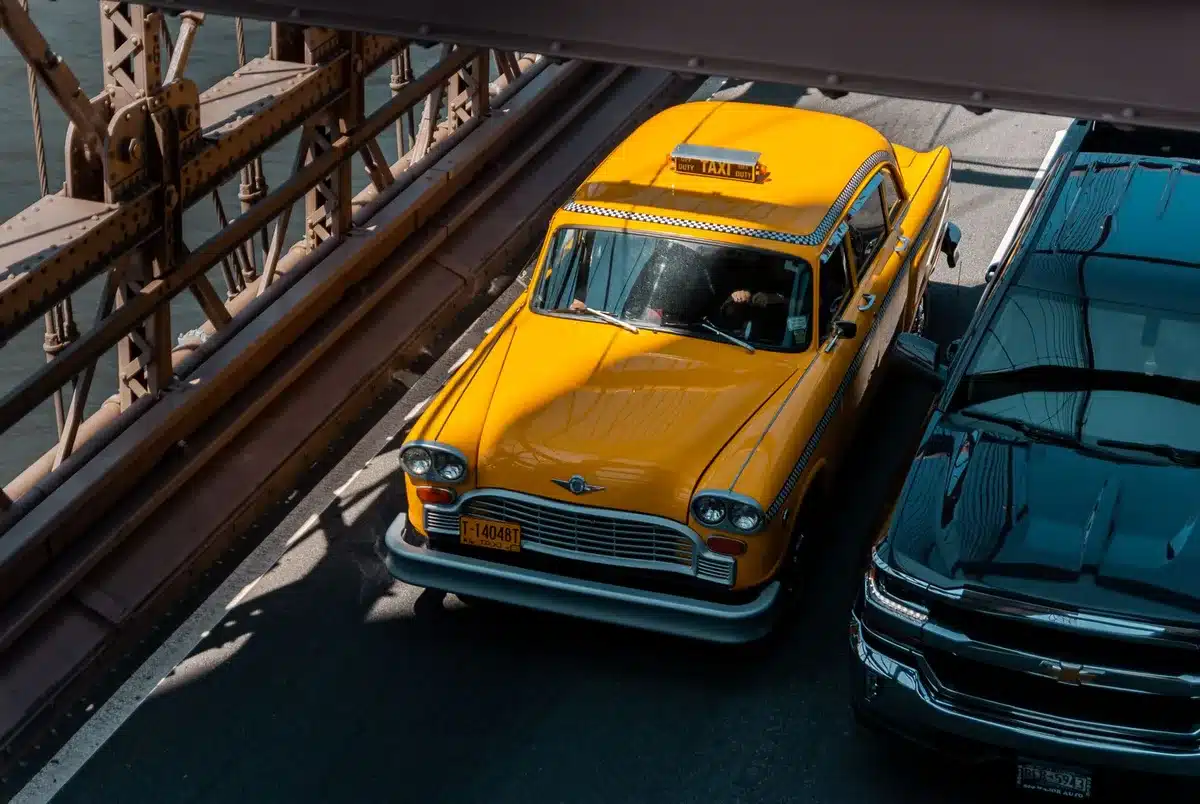
- Yellow taxi — traditional curb-to-curb service.
- Rideshare (e.g., UberX) — app-based point-to-point pickup.
- Prebooked car service — reserved sedan with waiting driver.
- Private helicopter transfer — premium, fast, and limited.
Results at a glance: door-to-door times and costs
Times below are from our trial and reflect midday conditions. Fares are approximate and exclude tips and surge pricing.
- AirTrain + LIRR to Penn Station: 40–50 minutes. Cost: roughly $20–30.
- AirTrain + Subway: 55–75 minutes. Cost: about $10–12.
- Yellow taxi: 50–90 minutes depending on traffic. Cost: $70–90.
- Rideshare (UberX): 45–80 minutes. Cost: $55–120 (varies by surge).
- Prebooked car: 45–80 minutes. Cost: $80–120.
- Private helicopter: 20–35 minutes. Cost: $500–1,000+ per seat or charter.
What actually happened on race day
We recorded unexpected variables that shaped results. The LIRR leg benefited from predictable schedules. Surface routes lost time to inconsistent traffic. The helicopter shaved the most minutes but required setup.
AirTrain + LIRR — steady and reliable
This route started with an AirTrain ride to the Jamaica station, followed by a Long Island Rail Road trip into Penn Station and a short walk. Waiting time for the LIRR mattered most.
- Typical wait: 5–12 minutes for the next LIRR train.
- On our run, total took 42 minutes.
- Best for travelers who want a predictable, mid-cost fast option.
AirTrain + Subway — cheapest, but slower and less comfortable
We rode to a subway transfer and took a local line into Midtown. The trip required more transfers and walking with luggage.
- Frequent but slower trains increased trip time.
- Our measured time was 62 minutes.
- Ideal for solo travelers on a budget without tight schedules.
Yellow taxi — comfort depends on traffic
We hailed a cab at the terminal curb. The car took a direct route, but congestion near Queensboro Bridge and Midtown added minutes.
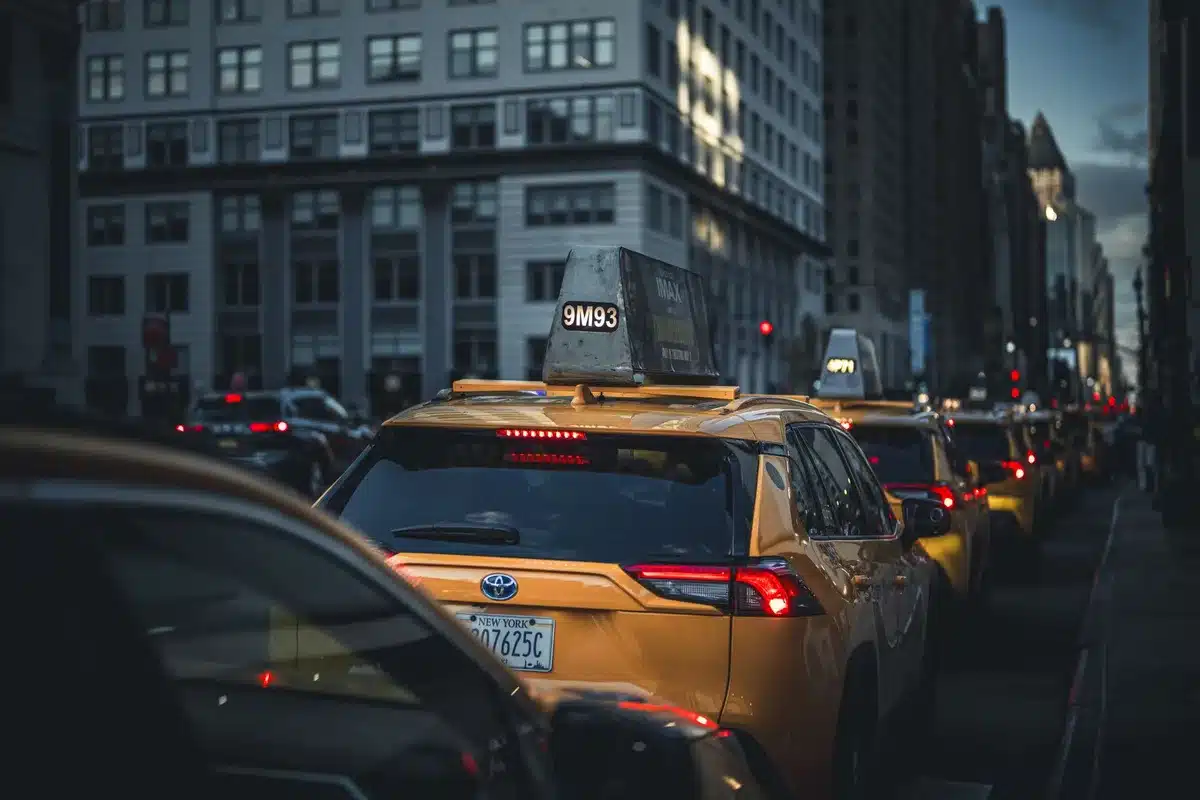
- Door-to-door took 72 minutes during our run.
- Tolls and tip raised the final cost.
- Good when you have heavy luggage or want fewer transfers, but check traffic first.
Rideshare — similar to taxis, with pricing swings
Our Uber pickup arrived quickly, but the vehicle faced the same rush-hour choke points as the cab.
- Time matched taxis in real traffic: 68 minutes that day.
- Price advantage can flip quickly with surge pricing.
- Useful if you prefer cashless payment and app tracking.
Prebooked car service — steady rate, variable time
Pre-arranged cars remove the airport pickup stress. But they share the same road network, so travel time mirrored other cars.
- Our reservation arrived on time and finished in 66 minutes.
- Higher base cost, consistent service level.
Private helicopter — fastest raw travel time
We worked with a charter broker to launch a helicopter from JFK-area facilities. Flight time into Manhattan was very short, but you must also factor in ground transfers to and from heliports.
- Flight itself: about 8–12 minutes.
- Door-to-door total: 28 minutes, including transfer to the heliport and a short ride to the Empire State Building.
- Expensive and not feasible for most travelers, but unbeatably fast on time.
Comparing speed, predictability and price
Picking a method is a trade-off among cost, convenience and variability.
- Fastest overall: Helicopter if you can book and afford it.
- Best blend of speed and cost: AirTrain + LIRR — consistent and often the fastest public route.
- Most variable: Taxis and rideshares, because traffic and surge change outcomes.
- Cheapest: Subway-only routing but expect extra time and transfers.
Practical tips to shave minutes off the journey
- Buy tickets in advance or preload transit cards to skip lines.
- Check LIRR schedules; express trains can cut significant time.
- Use traffic apps to decide if a car is worth it at that moment.
- Travel light to move faster through transfers.
- Consider a helicopter only if cost is no object and timing matters.
Who should choose which option
Match your priorities to the mode you pick. Below are quick rules of thumb.
- If you need the fastest reliable public option: choose AirTrain + LIRR.
- If you want the cheapest route and don’t mind time: choose the subway.
- If you prioritize door-to-door comfort with luggage: choose a taxi or prebooked car.
- If time is the overriding constraint and budget isn’t: consider a private helicopter.