Show summary Hide summary
- How a single afternoon in Nashville produced two timeless songs
- The mentor relationship that sparked the farewell
- “I Will Always Love You”: a professional goodbye, not a romantic ballad
- Elvis wanted to record it — until publishing demands intervened
- Whitney Houston’s version turned the song into a global phenomenon
- Milestones, facts and quick timeline
- Why the song endures across genres and generations
- Parton’s voice and business instincts shaped the song’s fate
- Voices behind key decisions: collaborators and gatekeepers
How a single afternoon in Nashville produced two timeless songs
In 1973, in a small window of inspiration, Parton wrote two songs that would define her career. One was the pleading, intimate “Jolene.” The other was a farewell ballad she wrote for a friend and mentor. Both were completed in a rare surge of creativity. It was a day that changed country music and pop culture.
Dolly Parton: the surprising true story behind I will always love you
Miley Cyrus gushes over godmother Dolly Parton: the most loved person on the planet

The mentor relationship that sparked the farewell
Parton arrived in Nashville from rural Tennessee and soon found an ally in Porter Wagoner. He invited her onto his TV show and paired with her on duets. That exposure and his support led to a recording deal and a string of collaborative albums.
After seven years on Wagoner’s program, Parton felt she needed to grow beyond the role she’d played. She wanted to forge a solo path. Her decision did not land easily. Emotions ran high when she announced her departure.
Turning a breakup into song
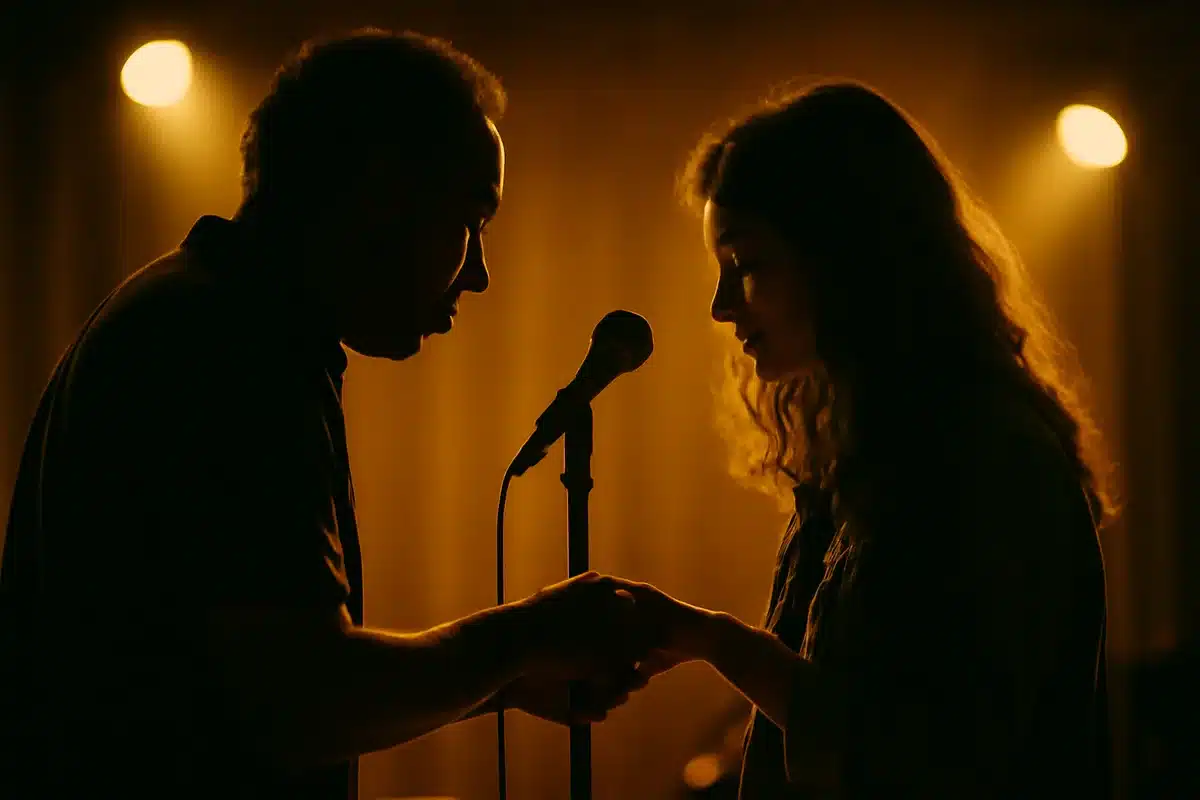
Rather than write a public statement, she wrote a song. She performed it alone in Wagoner’s office with only a guitar. The tune was an appeal and a goodbye wrapped together. Wagoner heard it and, though moved, agreed to let her go under one condition: he wanted to produce the record.
“I Will Always Love You”: a professional goodbye, not a romantic ballad
The lyrics are often taken as romantic heartbreak. The truth is more specific. Parton crafted the song to release herself from a professional partnership. It was an act of respect and closure toward a collaborator who had helped launch her career.
She later spoke about the mixed feelings involved: gratitude for the help she received, and a clear drive to follow her own creative destiny.
Elvis wanted to record it — until publishing demands intervened
The song attracted immediate attention. Elvis Presley expressed interest in recording the tune. But his manager, Colonel Tom Parker, insisted on taking a large share of the publishing rights as a condition.
Parton faced a painful choice. Many urged her to hand over the rights to secure an Elvis version. She refused, later saying the decision cost her a chance she regretted — though she never surrendered ownership of her work.
Whitney Houston’s version turned the song into a global phenomenon
Two decades after Parton’s original release, the song found new life in the 1992 film The Bodyguard. Initially, another song was considered for the soundtrack. The music supervisor recommended Parton’s ballad, and Kevin Costner supported the choice.

Whitney Houston’s interpretation transformed the track into a worldwide hit. The power of her vocal performance propelled the song to the top of charts and into countless playlists. That cover generated major royalties and renewed public devotion to the composition.
According to industry reports, royalties from Houston’s version were substantial. Parton acknowledged the financial and cultural impact, noting how the song had taken on a life far beyond her own expectations.
Milestones, facts and quick timeline
- 1973 — Parton wrote both “Jolene” and “I Will Always Love You” in the same creative stretch.
- 1974 — Parton’s original recording of “I Will Always Love You” was released.
- 1992 — Whitney Houston recorded the song for The Bodyguard soundtrack.
- Elvis Presley reportedly wanted to record it, but publishing demands blocked that path.
- Financial impact — Houston’s hit version generated major royalties for Parton.
- Legacy — The song crossed genres and generations, often mistaken as a romantic classic while rooted in a professional farewell.
Why the song endures across genres and generations
The melody is simple but open to dramatic interpretation. The lyrics are concise yet emotionally direct. Artists from different backgrounds have found ways to make it their own.
That flexibility is part of the song’s power. It can serve as a tender goodbye, a grieving ballad, or a vocal showcase. Each new version invites listeners to reframe the sentiment while honoring Parton’s original intent.
Parton’s voice and business instincts shaped the song’s fate
Writing the tune was only part of the story. Parton carefully managed its ownership. When a superstar sought to record it under demands that would have cut out the songwriter, she refused to compromise the rights.
This blend of artistic talent and business resolve helped ensure long-term control and reward. Over time, the song became one of her most valuable assets, both culturally and financially.
Voices behind key decisions: collaborators and gatekeepers
Several figures influenced the song’s trajectory. Wagoner provided the early platform. Music supervisors and film producers picked the right moment. Performers like Houston reshaped public perception. Managers and executives, however, sometimes complicated potential opportunities.
- Porter Wagoner — mentor and early collaborator.
- Colonel Tom Parker — manager who sought publishing control for Elvis’s covers.
- Maureen Crowe — music supervisor who helped place the song in The Bodyguard.
- Kevin Costner — film star/producer who supported using the ballad on the soundtrack.