Show summary Hide summary
- Why the A321XLR matters for United’s long-haul strategy
- On board: what passengers will actually see
- Cabin tech and passenger amenities
- Performance upgrades: range, fuel burn, and operational gains
- Planned routes and market implications
- Operational realities and crew experience
- How the A321XLR fits into the competitive landscape
- Environmental angle: lower emissions per seat
- What travelers should expect when flying the new service
United Airlines has quietly begun moving its swankiest narrowbody yet across the Atlantic, putting the spotlight on the Airbus A321XLR as a practical tool for long-haul expansion. Journalists and aviation fans got a rare look aboard, and the plane appears built to bridge U.S. domestic efficiency with overseas comfort.
Why the A321XLR matters for United’s long-haul strategy
Amex 45,000-point referral bonus for select cardmembers: check accounts now
Tom Cruise’s Days of Thunder sequel lands June 2028: Anne Hathaway joins
The A321XLR brings a new option for carriers that want long-range service without a widebody. It promises lower operating costs and higher frequency on lower-demand routes. For United, that means more flexibility when launching overseas flights.
- Lower costs: Single-aisle economics versus twin-aisle expenses.
- Route punching power: Reach into new transatlantic and transcontinental markets.
- Fleet versatility: Easier to match capacity to demand.
On board: what passengers will actually see
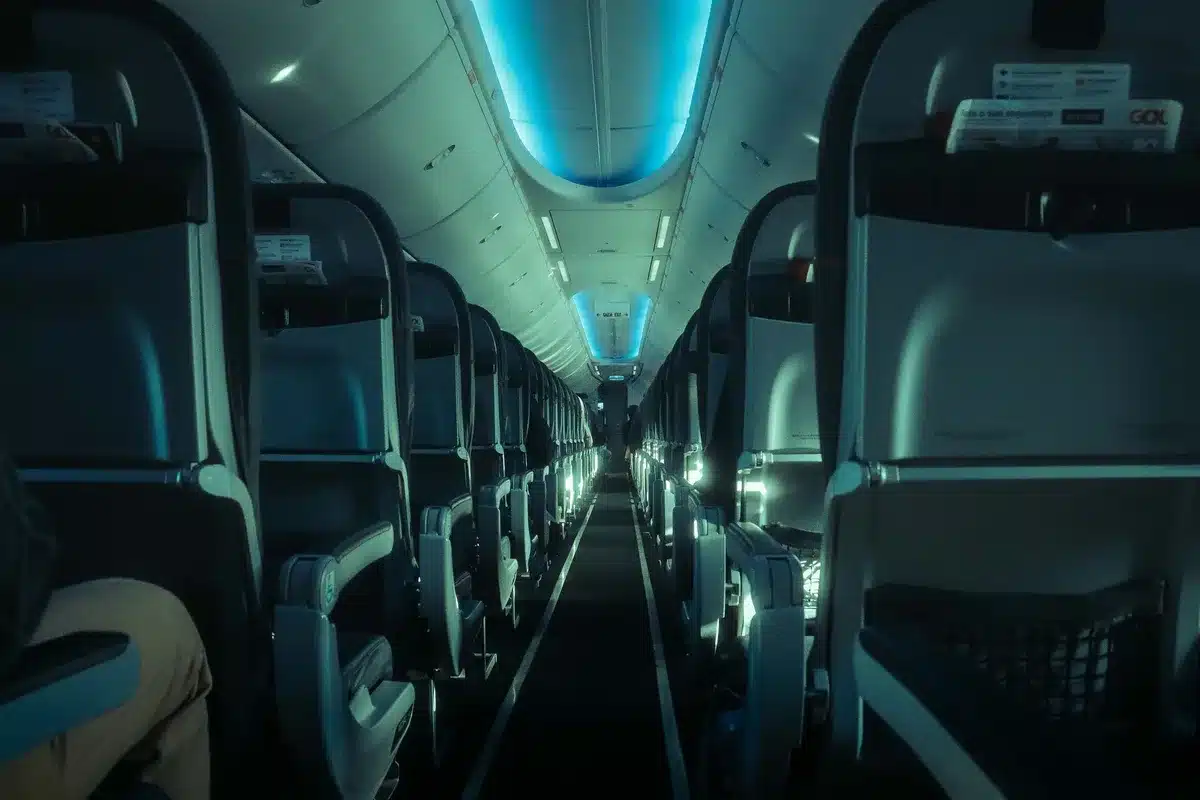
The cabin preview showed a clean, modern interior. Materials look premium but restrained. Lighting is softer than older narrowbody cabins.
Seating and class mix
- Two-class layouts are common: a premium cabin and an economy section.
- Premium seats emphasize extra space and recline rather than full lie-flat beds.
- Economy offers standard slimline seats, with more thought given to ergonomics.
Passengers will notice more personal space compared with legacy single-aisle interiors on long sectors. United seems focused on comfort that fits within the aircraft’s weight and balance limits.
Cabin tech and passenger amenities
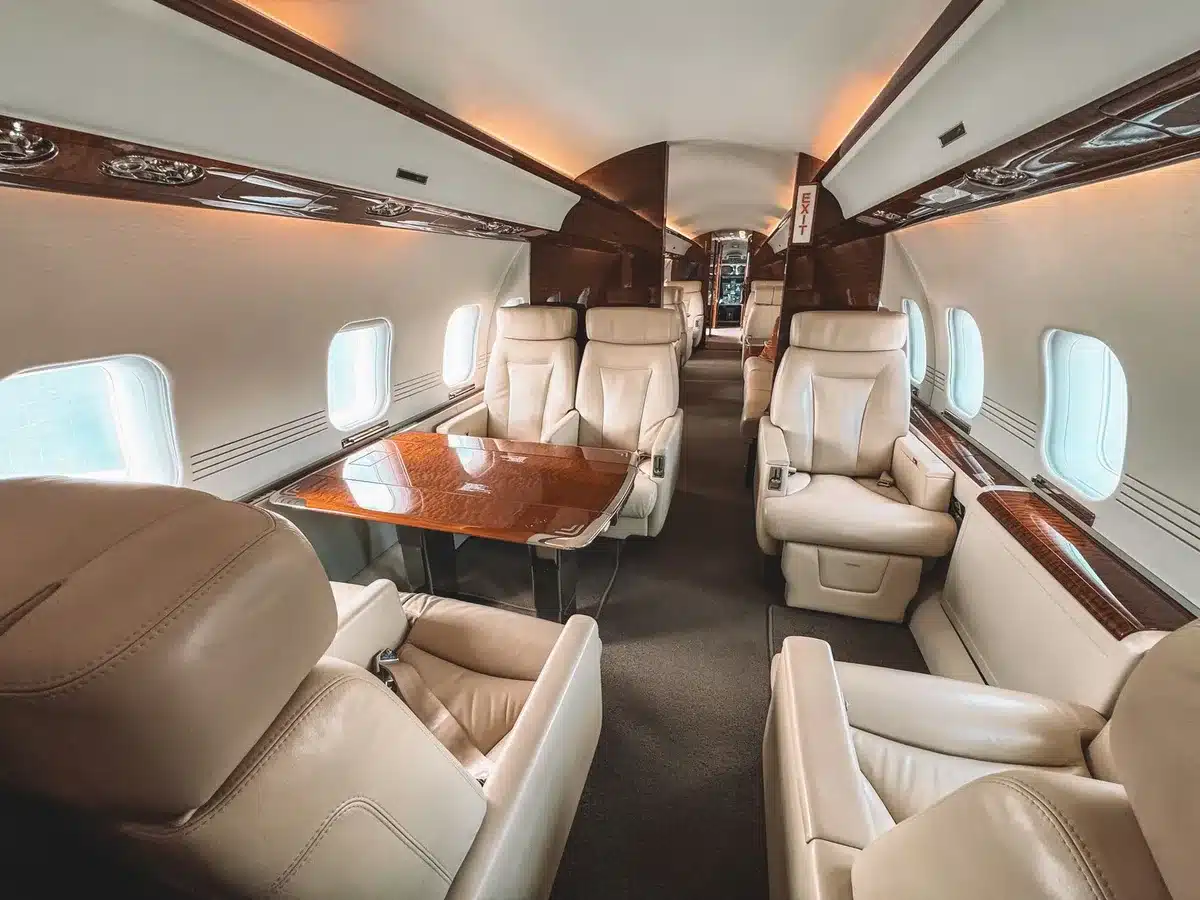
Expect modern inflight entertainment screens and faster connectivity. USB-C ports and Wi-Fi options were visible during the preview.
- Window shades are likely electronic on some aircraft.
- Overhead bins are enlarged to handle more carry-on volume.
- Lavatory design aims to reduce queueing on longer flights.
Small design changes add up: they improve the feel during a seven- to eight-hour trip.
Performance upgrades: range, fuel burn, and operational gains
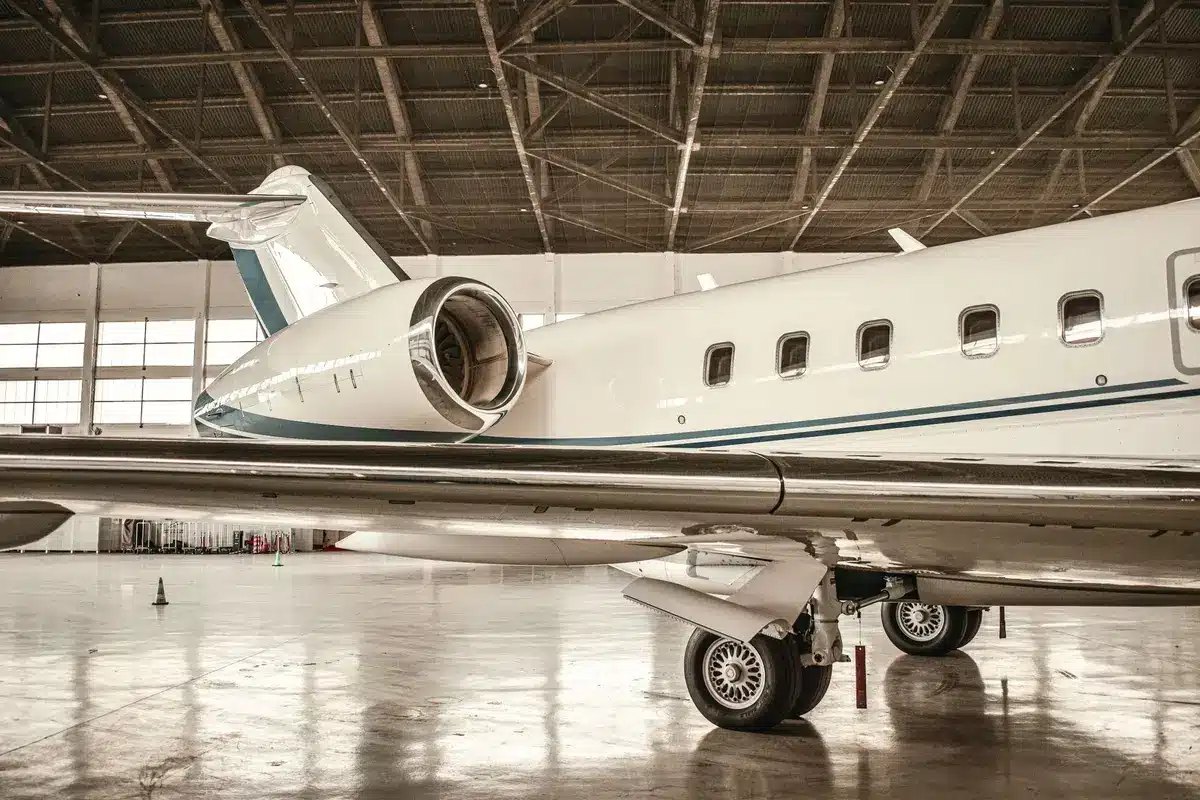
The A321XLR’s main selling point is its extended range. That enables nonstop links that were previously uneconomical with larger jets.
- Fuel efficiency per seat is a major advantage.
- Reduced trip costs can make secondary-city transatlantic service viable.
- Smaller aircraft on long routes allow for more frequent departures.
For United, this translates into the ability to serve thinner markets without sacrificing profitability. That’s the core commercial case behind the investment.
Planned routes and market implications
United has signaled it will use the A321XLR for both established and emerging overseas markets. The jet could unlock nonstop service from smaller U.S. cities to Europe.
Potential route scenarios
- Secondary U.S. airports to European leisure destinations.
- Increased frequencies on less-busy transatlantic city pairs.
- Point-to-point flights replacing inefficient connections.
Airlines often test demand with a single daily frequency before scaling up. The A321XLR’s economics make that experiment less risky.
Operational realities and crew experience
Crew briefings on the preview flight highlighted changes in service rhythm. Galley layouts and service carts differ slightly from those on widebodies.
- Cabin crew workflow is adapted to a narrower galley footprint.
- Turnaround times can be faster with fewer seats to service.
- Crew rest and duty planning remain regulated by flight-length rules.
From an operational view, the aircraft is a compromise: it gives more range than typical narrowbodies, but service must be streamlined compared with widebody operations.
How the A321XLR fits into the competitive landscape
Many carriers are picking narrowbody long-range jets to compete on frequency and cost. United’s adoption signals a shift in network planning across the industry.
- Smaller jets challenge hub-and-spoke dominance.
- Leisure markets see new nonstop choices.
- Business travelers may benefit from more point-to-point options.
Rivals will watch closely to see which routes succeed and which don’t. Success could prompt a wave of similar deployments.
Environmental angle: lower emissions per seat
The A321XLR offers better fuel burn per passenger than older jets. That reduces carbon emissions on a per-seat basis.
- Lower fuel use improves the airline’s environmental metrics.
- Smaller aircraft on thin routes can cut unnecessary capacity waste.
- Sustainability goals are increasingly tied to fleet choices.
Still, total emissions depend on how many flights and which frequencies an airline runs.
What travelers should expect when flying the new service
Passengers can expect a mix of economy value and an upgraded premium product. Amenities are modern but scaled for a single-aisle jet.
- Expect reliable nonstop options to new destinations.
- Know that space in premium cabins is limited but more comfortable.
- Prepare for a different boarding and service flow than on widebodies.
For many travelers, the main benefit will be convenience: fewer connections and shorter total travel time.