
Show summary Hide summary
United Airlines is preparing to put the Airbus A321XLR into domestic service, changing how coast-to-coast and long thin routes are flown. The extra-range narrowbody gives the carrier new options for nonstop flights that once required widebodies. Below we explain what the jet brings, which U.S. city pairs are likely to get the plane first, and what travelers can expect.
Why the A321XLR matters for U.S. domestic travel
Zendaya earnings revealed: what she was paid for every project from Shake It Up to The Odyssey
Red vs blue button debate: what your choice reveals about you
The A321XLR stretches narrowbody range beyond what most single-aisle jets can do. That opens nonstop possibilities between distant city pairs without the cost of a larger aircraft.
- Range: Longer legs mean coast-to-coast and transcontinental services become efficient on a single-aisle plane.
- Fuel efficiency: Newer engines and aerodynamic improvements reduce operating costs.
- Flexibility: Airlines can add frequency on long routes or serve lower-demand city pairs nonstop.
Routes most likely to host United’s A321XLR on its domestic debut
United’s strategy will prioritize high-demand transcontinental routes and thin long-haul markets where widebodies are less economical. These city pairs are logical first candidates.
Coast-to-coast transcontinental routes
- Newark (EWR) — Los Angeles (LAX): A classic long-haul market that benefits from a single-aisle with long range.
- Newark (EWR) — San Francisco (SFO): High premium demand makes this a strong fit for the XLR.
- Chicago (ORD) — Los Angeles (LAX): Allows additional frequencies or premium-heavy services.
Long domestic city pairs with moderate demand
- Houston (IAH) — Los Angeles (LAX): Useful where demand is strong but not enough to justify a widebody.
- Denver (DEN) — Boston (BOS): Long mileage with seasonal demand spikes that the XLR can cover.
- Newark (EWR) — Seattle (SEA): Coast-to-coast range with room to target premium traffic.
Smaller long-range markets that could win nonstop service
- Mid-size city — West Coast pairs: Routes such as Cleveland or Pittsburgh to California could see nonstop options.
- Secondary transcontinental markets: Cities that previously required connecting flights may get direct links.
How United will decide which flights get the A321XLR
Route selection balances range, passenger mix, and airport constraints. United will likely favor flights where premium demand or route distance makes the XLR the most efficient choice.
- Premium-heavy markets: Routes with strong business demand support upgraded cabins.
- Slot-limited airports: Airports with few takeoff slots benefit from higher-yield narrowbody options.
- Seasonality: The XLR can be moved to match summer peaks without burning widebody capacity.
What passengers should expect on board
The A321XLR keeps a single-aisle profile but brings improvements that impact comfort and service.
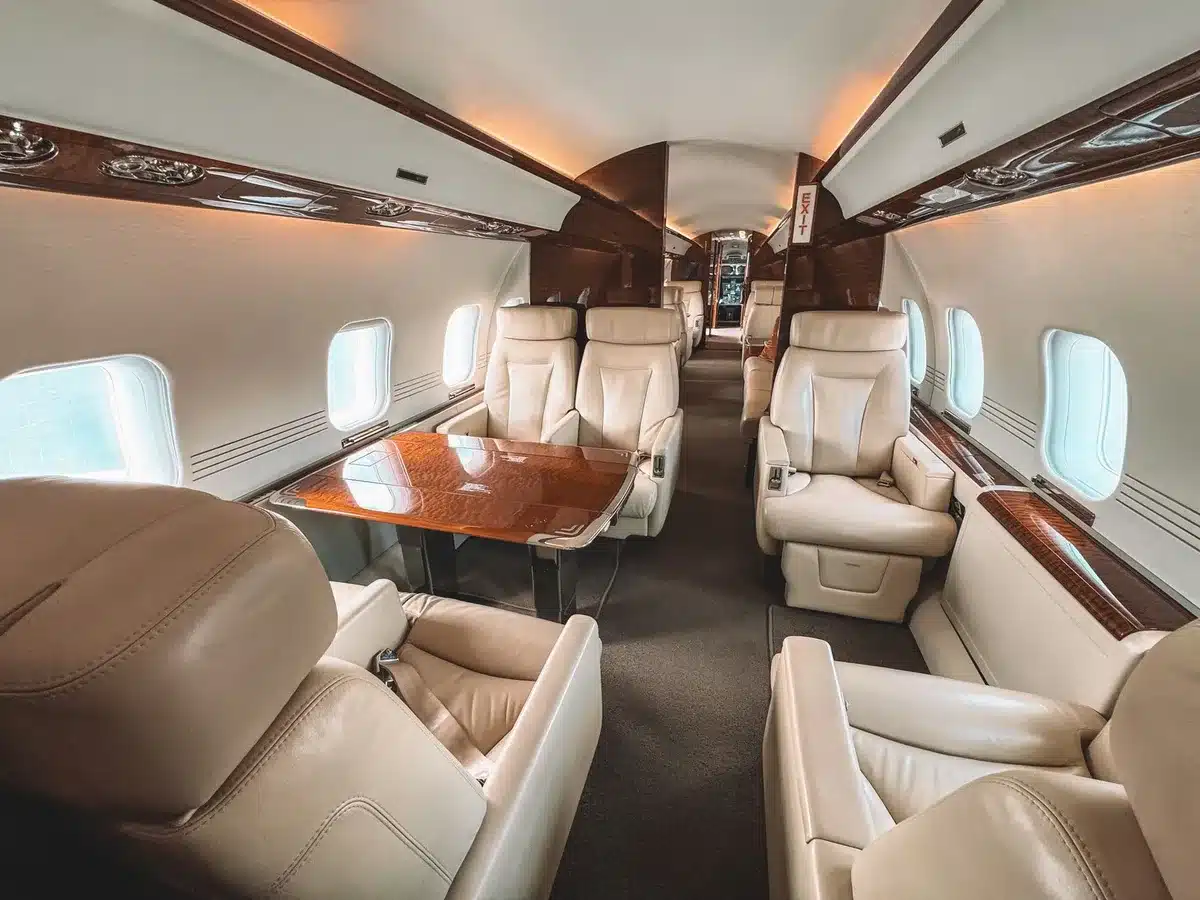
- Cabin layout: More space dedicated to premium seating is likely on long domestic sectors.
- Amenities: Modern inflight systems, larger overhead bins, and improved lighting are common.
- Nonstop convenience: Travelers can save time avoiding connections on long trips.
Operational and competitive implications
Introducing the A321XLR domestically affects United, its rivals, and airports.
- Airline strategy: United gains a tool to add nonstop services and reallocate widebodies to denser international routes.
- Competition: Rivals may respond with upgraded narrowbody products or more frequencies.
- Airports: Secondary airports could see new nonstop access to major hubs and the West Coast.
When the A321XLR will appear in schedules
Delivery timing and fleet assignments shape the rollout. Expect an initial handful of routes followed by gradual expansion.
- United will integrate aircraft as deliveries arrive and operational readiness is certified.
- Early schedules typically focus on high-revenue transcontinental flights.
- Route announcements may come weeks or months before service starts.