Show summary Hide summary
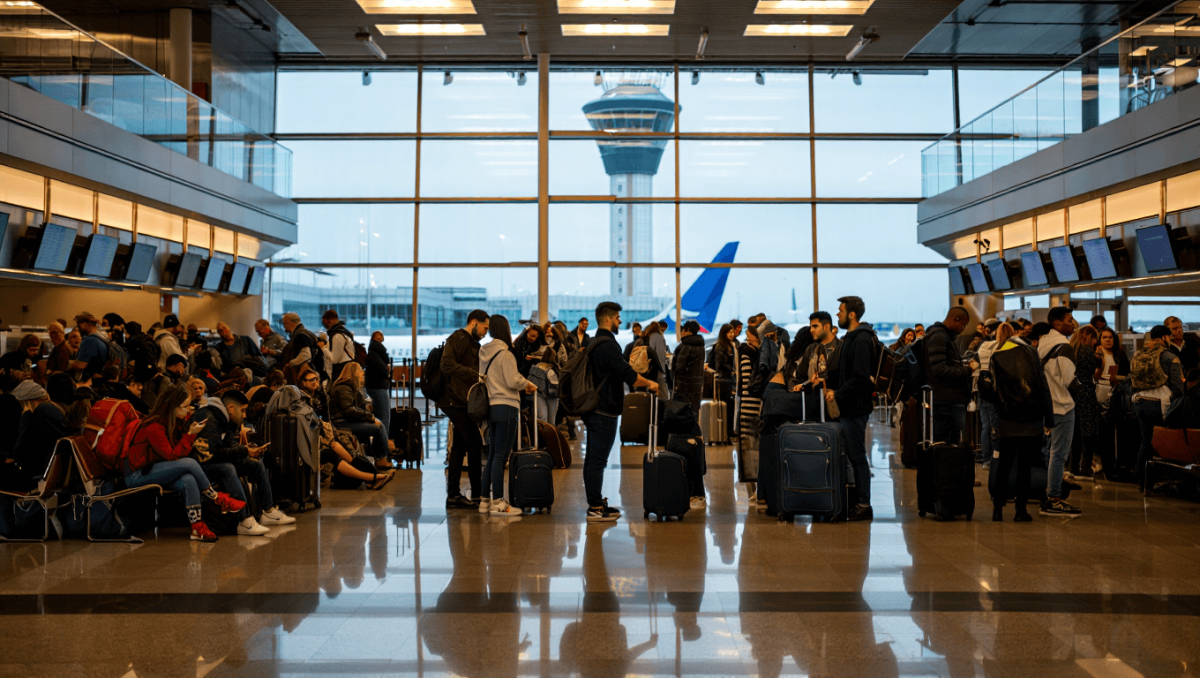
Travelers are feeling the effects of the federal government shutdown as airports across the country report growing staff shortages and cascading delays. Flight operations are being throttled at busy centers while airlines and passengers scramble to adapt.
Air traffic control shortages are slowing flights
The Federal Aviation Administration has seen a spike in controllers calling out of work since the shutdown began. That drop in staffing has forced the agency to reduce flight throughput to protect safety.
Dolly Parton cause of death revealed: family confirms she secretly battled cancer
JFK to Empire State Building: which mode of transport wins the race?
The FAA reported that nearly half of its major control facilities were operating below normal staffing levels. In the New York metro area, the situation was especially acute, with many shifts severely understaffed.
Operational impacts:
- LaGuardia departures experienced major delays; more than half were late on a recent weekday.
- Newark and JFK each saw roughly four in ten flights delayed on the same day.
- Short staffing spread to key hubs from Atlanta to Dallas and Houston by midweek.
Agency officials stress safety is not being compromised. But with fewer controllers on duty, the FAA is spacing aircraft more than usual. That spacing translates directly into delays, longer taxi times, and occasional holding patterns.
Security checkpoints: strained but functioning
Transportation Security Administration officers are also working without pay and feeling the strain. Nationwide, checkpoints have remained largely open, though the agency warns delays could grow the longer the shutdown lasts.
Airlines have stepped in at some airports to ease the burden. Delta, for example, deployed staff to help manage passenger flow and logistics near screening areas to let certified screeners focus on security tasks.
Changes passengers may notice
- Temporary closures: Some semiprivate security lanes for premium customers have been shut at major airports.
- Occasional longer lines: Expect sporadic slowdowns at peak times and at smaller airports with thin staffing.
- Airline assistance: More carriers are positioning ground employees to help move customers through lobbies and checkpoints.
Practical travel tips during the shutdown
With continued uncertainty about when federal operations will resume, travelers should prepare for disruptions.
Timing and connections
- Arrive earlier than usual. Add 20–30 minutes to your normal airport routine.
- When possible, choose nonstop flights to reduce the risk of missed connections.
- If you must connect, build in extra time between flights.
What to pack and do onboard
- Bring entertainment, chargers, and extra snacks.
- Prepare for longer taxi and holding times; flights can stretch beyond scheduled duration.
- Keep essentials in carry-on in case checked baggage gets delayed.
Use digital tools and financial protections
- Monitor your airline app for rebooking options and travel advisories.
- Consider booking with cards that offer travel delay insurance to cover unexpected hotel or meal costs.
- Check alternate routes before you get to the airport; early changes are easier to secure.
Airlines adapt operations to ease pressure
Carriers are moving staff and altering services to keep passengers moving. Some premium security entrances at busy airports have been temporarily closed because of reduced TSA staffing.
Airlines are also providing meals and support to essential aviation workers at some hubs, and repositioning employees to assist with passenger processing where allowed.
Holiday travel risks and economic impact
With Thanksgiving less than a month away, industry groups warn travelers to expect a heavy season. The peak return day after Thanksgiving is usually one of the busiest of the year, and continued staffing shortfalls could amplify delays.
Economic pressure: Industry estimates show the shutdown has already erased billions in tourism revenue, and losses may grow if disruptions persist.