Show summary Hide summary
- How airport security was rewritten and why it mattered
- Operational changes for airlines and airports
- Economic shock and industry consolidation
- Aircraft design and hardened cockpits
- Passenger screening technologies and biometrics
- Changes to international aviation rules and cooperation
- New roles for government, police, and private security
- Everyday passenger experience: culture and behavior shifts
- Training, drills, and the human factor in safety
- Long-term technological investment and risk management
- How advertising, loyalty, and airport retail changed
- Legal, privacy, and civil liberties debates that followed
- The industry today: resilience, challenges, and ongoing evolution
Twenty-five years after the attacks of September 11, 2001, air travel looks and feels very different. Airports, airlines, regulators, and passengers all adapted quickly and then continued to evolve. The changes that followed reshaped security, operations, economics, and the culture of flying in ways we still live with today.
How airport security was rewritten and why it mattered
Howard Stern’s wife Beth breaks silence on his surprise HBO move
Brooks Nader reveals bizarre reason she ditched bikini top on boat with dad
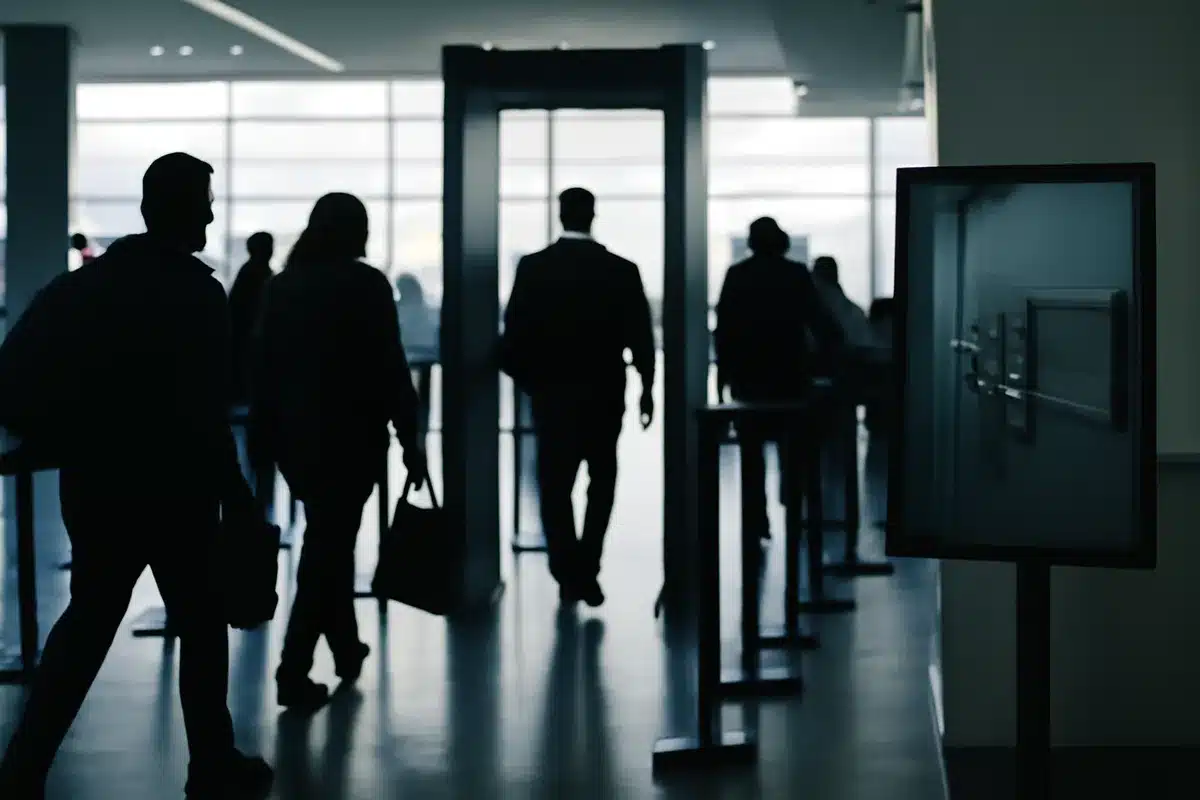
Within days of 9/11, security at airports went from routine checks to near-military scrutiny. Procedures that had been optional became mandatory.
- The Transportation Security Administration (TSA) was created to centralize aviation security.
- Screening standards tightened for carry-on baggage and personal items.
- Behavioral detection and watchlists became part of screening strategies.
These changes aimed to reduce risk across thousands of daily flights. They also added time and cost to the travel experience.
Operational changes for airlines and airports
Airlines altered routes, crew procedures, and aircraft preparation. Airports redesigned flows and checkpoints to handle new processes.
- Preflight checks grew more exhaustive.
- Access to secure areas was restricted and monitored.
- Coordination with federal agencies increased.
Airline scheduling and turnaround times adjusted to allow for longer boarding and security delays.
Economic shock and industry consolidation
The immediate aftermath hit carriers’ balance sheets hard. Passenger demand fell sharply. Many airlines faced bankruptcy or merged.
- Revenue per passenger dropped, forcing cost cuts.
- Low-cost carriers adapted faster by trimming overhead.
- Mergers and alliances reshaped the market.
Federal aid and industry restructuring helped preserve critical air services, but the competitive landscape changed for good.
Aircraft design and hardened cockpits
One of the fastest technical responses was to secure the flight deck. Reinforced cockpit doors became a new standard.
- Doors were retrofitted with ballistic materials and locks.
- Procedures limited cockpit access during flight.
- Design attention turned to passenger cabin safety and evacuation.
Manufacturers and airlines invested in hardware and training to prevent unauthorized entry.
Passenger screening technologies and biometrics
Security technology advanced rapidly in the years that followed. Early screening tools gave way to more sophisticated systems.
- Full-body scanners supplemented metal detectors.
- Automated threat detection improved imaging analysis.
- Biometric identity systems began to replace paper checks.
Privacy debates followed technological progress, but adoption rose as airports sought faster, more accurate screening.
Changes to international aviation rules and cooperation
9/11 drove nations to harmonize aviation standards. Information sharing and joint protocols became central.
- International Civil Aviation Organization (ICAO) standards were updated.
- Cross-border intelligence sharing increased.
- Carrier vetting and passenger data exchange expanded.
Cooperation aimed to close gaps that terrorists could exploit across jurisdictions.
New roles for government, police, and private security
Security became a multi-layered effort involving federal, state, local, and private actors.
- Law enforcement presence at airports grew.
- Private firms took on screening and facility security roles.
- Governments invested in intelligence and counterterrorism grants.
The mix of public and private responsibility created both strengths and coordination challenges.
Everyday passenger experience: culture and behavior shifts
Travel culture shifted. Passengers learned new norms and accepted more intrusive checks.
- Security preparation became part of trip planning.
- Limits on liquids and carry-on items became common knowledge.
- Traveler patience and stress levels were tested by longer waits.
Expectations changed: people began to accept trade-offs between convenience and perceived safety.
Training, drills, and the human factor in safety
Airline and airport staff received expanded emergency and threat-response training. Drills became routine.
- Crew resource management integrated new threat scenarios.
- Airport teams practiced rapid lockdowns and evacuations.
- Simulation and tabletop exercises improved coordination.
The emphasis on human judgment and teamwork complemented technological defenses.
Long-term technological investment and risk management
Investment shifted toward systems that could prevent or detect threats earlier.
- Data analytics and passenger screening intelligence grew.
- Secure communications and command centers were expanded.
- Resilience planning for infrastructure and operations became standard.
Airlines and airports embraced continuous risk assessment as a core business practice.
How advertising, loyalty, and airport retail changed
Commercial strategies adapted as passenger flows and behaviors evolved.
- Loyalty programs emphasized flexibility to win trust.
- Airport retail shifted to meet security-imposed constraints.
- Premium services like fast-track security gained traction.
Ancillary revenue streams became crucial as airlines sought to offset rising security costs.
Legal, privacy, and civil liberties debates that followed
Expanded security powers provoked legal and ethical discussions.
- Watchlists and no-fly lists prompted due-process questions.
- Biometric data collection raised privacy concerns.
- Surveillance measures were weighed against civil liberties.
Lawmakers and courts continue to balance security needs with individual rights.
The industry today: resilience, challenges, and ongoing evolution
Two and a half decades on, the aviation industry remains shaped by 9/11’s legacy. New threats and new technologies keep forcing adjustments.
- Security remains layered and dynamic.
- Technology and policy evolve in parallel.
- Passenger expectations keep changing airline priorities.
The result is an air travel system that is safer in many ways, but more complex and costly to operate.