Show summary Hide summary
Carhartt is staking a claim in NFL season by centering the people who built the new Highmark Stadium. The campaign turns the spotlight from players to the tradespeople who made the venue possible, blending workwear heritage with sports marketing.
What the campaign shows: tradespeople at the center of the story
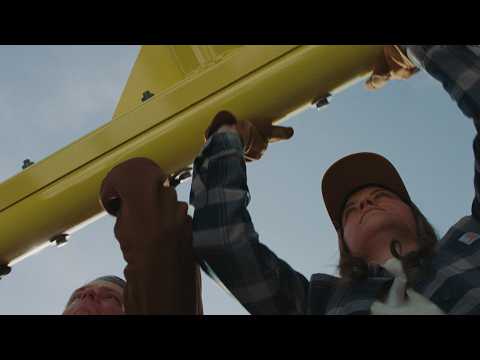
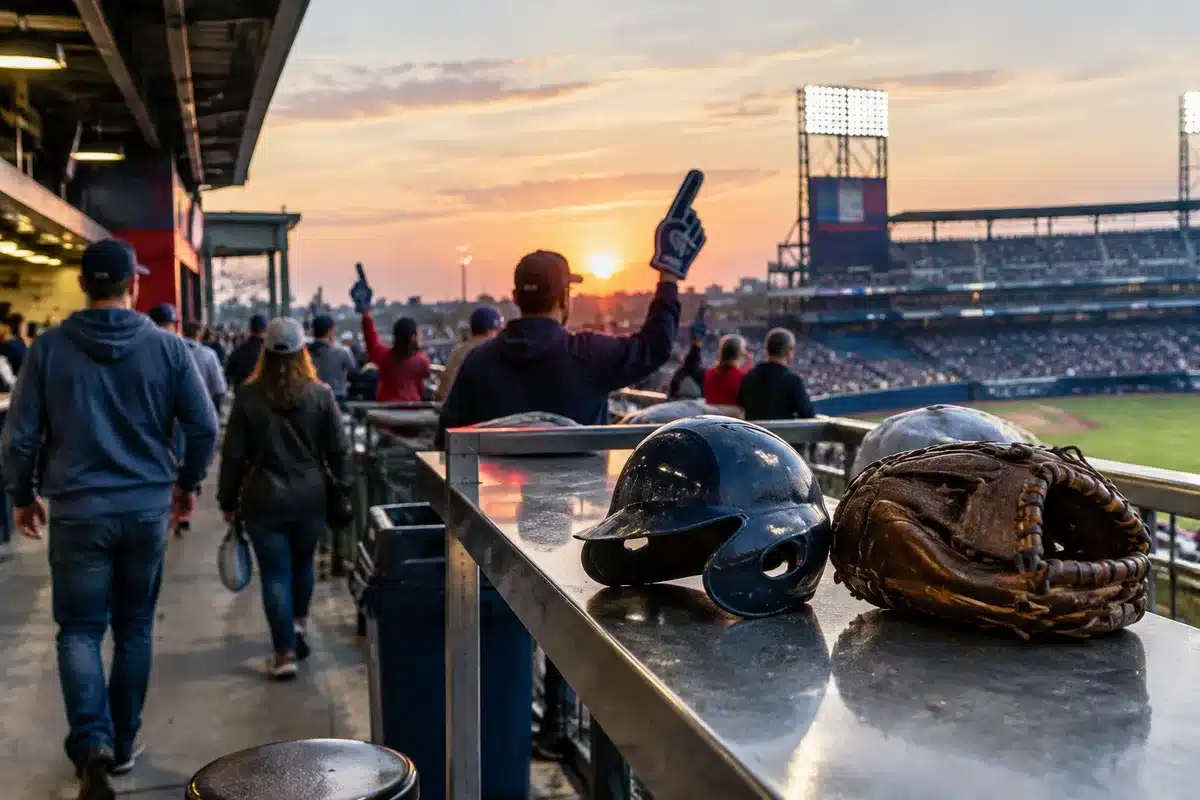
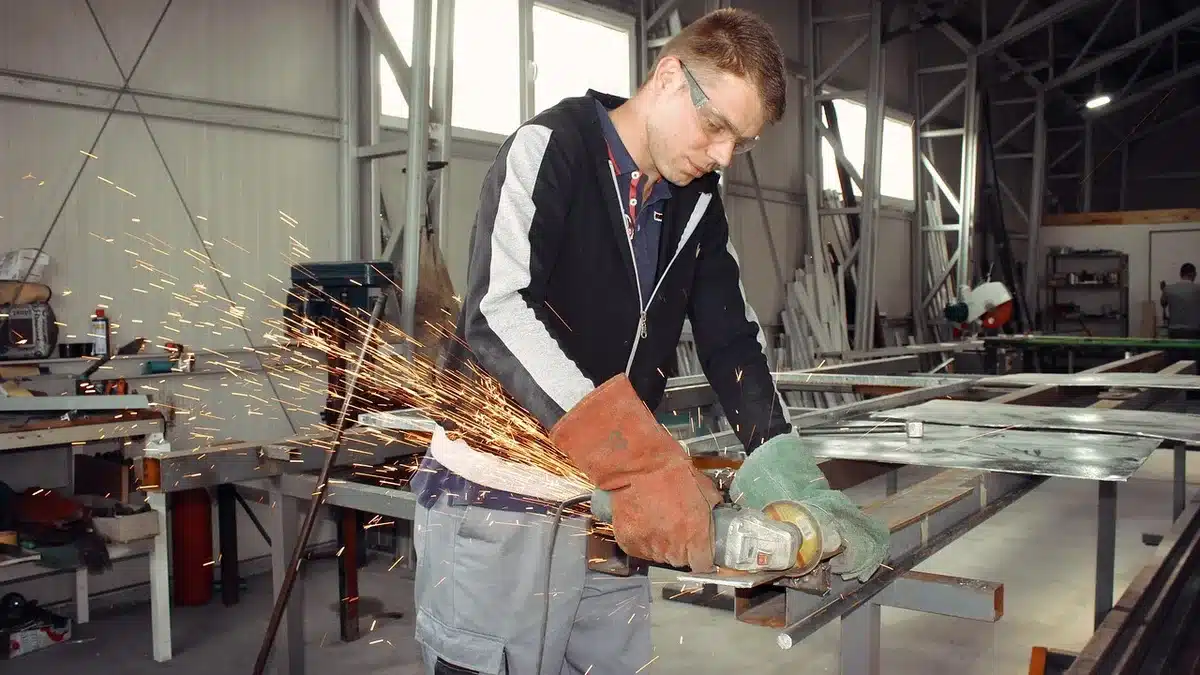
Carhartt’s latest creative pushes the brand into football season without relying only on athlete endorsements. The 30-second commercial is part of the brand’s “Made Possible” initiative. It highlights the crews who constructed Highmark Stadium, the Buffalo Bills’ new home.
Heated rivalry future revealed: gay hockey romance teases second season
Tony Shalhoub avoided Hollywood spotlight: daughter reveals surprising reason
A longer, two-minute film expands the narrative. It follows Bills alum Thurman Thomas, whose firm installed stadium seats. Thomas gives a tour to current running back James Cook III.
Creative approach and production details
- Filming occurred at Highmark Stadium across multiple construction phases.
- The spot uses a visual device that shows the stadium being built in reverse.
- Carhartt leaned into local details and real workers rather than staged talent.

Marketing goals and measurable outcomes
The initiative aims to boost awareness and recruit new talent into the trades. Carhartt built a full-funnel campaign to reach different audiences.
- Traffic to the “Join the Trades” page increased fivefold compared with the same stretch last year.
- The brand is using social snippets and longer-form films to drive interest.
- Carhartt’s presence at stadium events supports both branding and community ties.
Local activation: how Carhartt showed up in Buffalo
Beyond TV and online content, Carhartt executed on-the-ground activations tied to the stadium opening. The brand attended the first preseason game and placed onsite ads.

- Rally towels were distributed, featuring the names of construction crew members.
- Carhartt made a community pledge and donated $300,000 to support vocational programs in Western New York.
- The campaign emphasized the many layers of contractors involved in the build.
How this fits into broader sports-marketing trends
Brands are increasingly using sports moments to reach culture-hungry audiences. Some join global events without official sponsorships. Others sign league- or team-level deals.
Examples this season include fashion collaborations, official apparel partnerships, and youth-focused activations. The NFL’s return to regular-season play has accelerated such moves.
Carhartt’s brand positioning and why the story works
Carhartt’s history as a workwear maker gives the campaign authenticity. The company is family-owned and more than a century old. Its core audience includes tradespeople who value durability.
At the same time, Carhartt has broadened its reach. Streetwear adaptations and sub-brands have introduced the label to new shoppers.
- Carhartt WIP blends heritage with modern styling.
- A new sub-brand focuses on repaired and upcycled vintage pieces.
- Marketing remains anchored in product purpose: clothing that performs on job sites.
Why the partnership with the Bills made sense
The timing and the project aligned. Highmark Stadium was the only new NFL stadium opening this year. Carhartt had long emphasized tradespeople in its storytelling.
When a contractor connected to Thurman Thomas entered the project, the brand found a natural bridge into the NFL and local fandom. The result is a campaign that feels both relevant and true to Carhartt’s roots.