Show summary Hide summary
- U.S. release timeline: where and when to watch NAZA
- Why the filmmakers chose independent distribution
- What NAZA investigates: whistleblowers and military operations
- Festival reaction and award recognition
- Political backlash and attempts to block screenings
- How NAZA differs from the team’s prior project
- Production partners and reporting partners behind the film
The new Israeli documentary NAZA is skipping the traditional studio route and is headed to American screens this fall under a do-it-yourself release plan. Directors Yuval Abraham and Rachel Szor and their producing partners are racing to put the film in theaters while its subject remains front-page news.
U.S. release timeline: where and when to watch NAZA
Duncan Sheik cause of death revealed: what killed the barely breathing singer
American Airlines, Starlux expand codeshare deal: more routes and smoother connections
The film will reach U.S. audiences only weeks after its Venice debut. Key dates and venues announced so far:
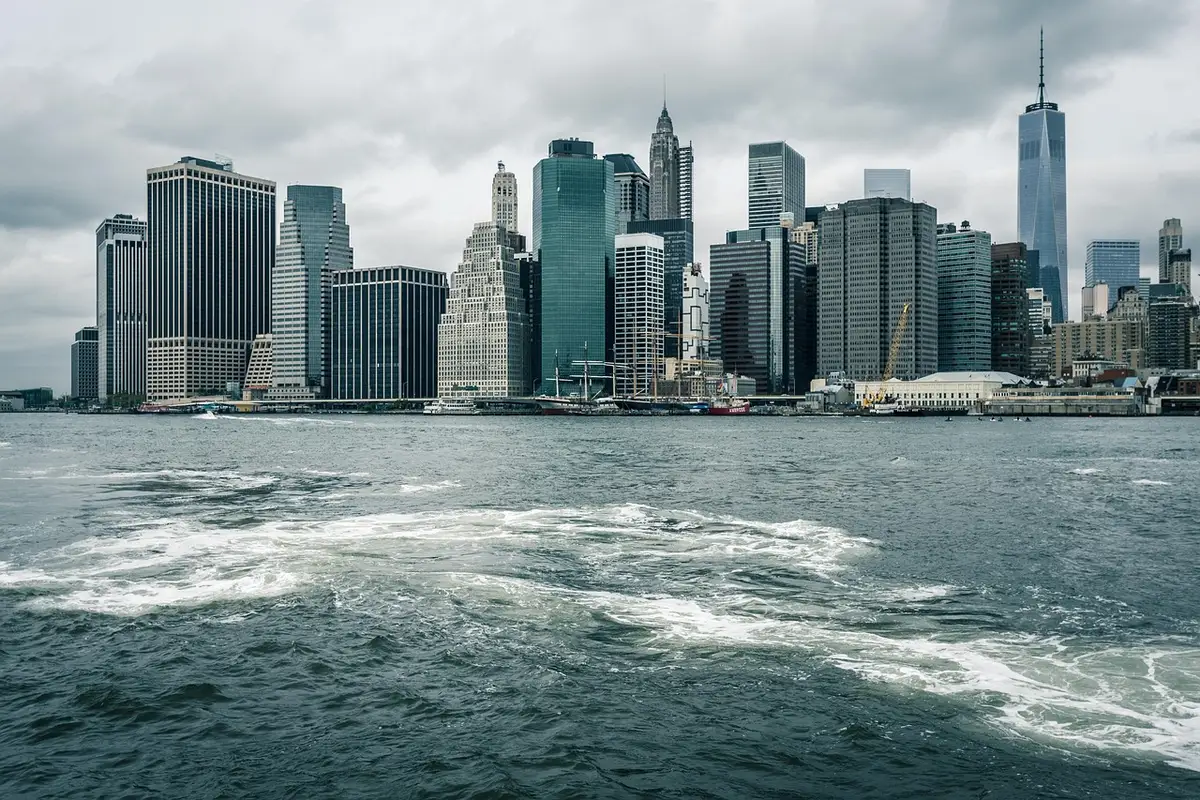
- September 26 — North American premiere at the New York Film Festival.
- September 30 — Opening at the IFC Center in New York.
- October 9 — Expansion to Los Angeles and several other U.S. markets.
- After mid-October — A broader rollout to additional cities is planned.
Producers promise more locations and screening details in the coming weeks as the self-distribution push accelerates.
Why the filmmakers chose independent distribution
NAZA’s backers opted for a nontraditional release to move fast and retain control. The Guardian and mk2 are leading the effort and have recruited U.S. and international partners to support the campaign. No full business model has been released yet.
This approach is explicitly designed to avoid obstacles the directors faced with previous work. By managing the release themselves, the team can shape timing, messaging, and availability.
What NAZA investigates: whistleblowers and military operations
The documentary centers on interviews with two dozen whistleblowers. They describe Israel’s air operations in Gaza and the systems that enable them. The filmmakers combine on-camera testimony with reporting to trace how orders translate into force.
Core themes and methods
- Extensive first-person interviews with military insiders.
- Archival footage and on-the-ground reporting.
- An attempt to map institutional decision-making and silence.
The filmmakers say they made the film to confront a moral and institutional crisis. They frame NAZA as both an investigative record and a moral inquiry into how societies normalize violence.
Festival reaction and award recognition
NAZA premiered at the Venice International Film Festival and won the Special Jury Prize there. Critics at Venice praised the film’s reporting and emotional force. That recognition has helped fuel interest in a rapid theatrical launch.
Political backlash and attempts to block screenings
The film’s revelations have provoked strong responses from Israeli officials. IDF chief of staff Eyal Zamir vowed to use “every tool” to stop the film’s circulation. Prime Minister Benjamin Netanyahu publicly suggested stripping interviewees of their citizenship for disclosing sensitive material.
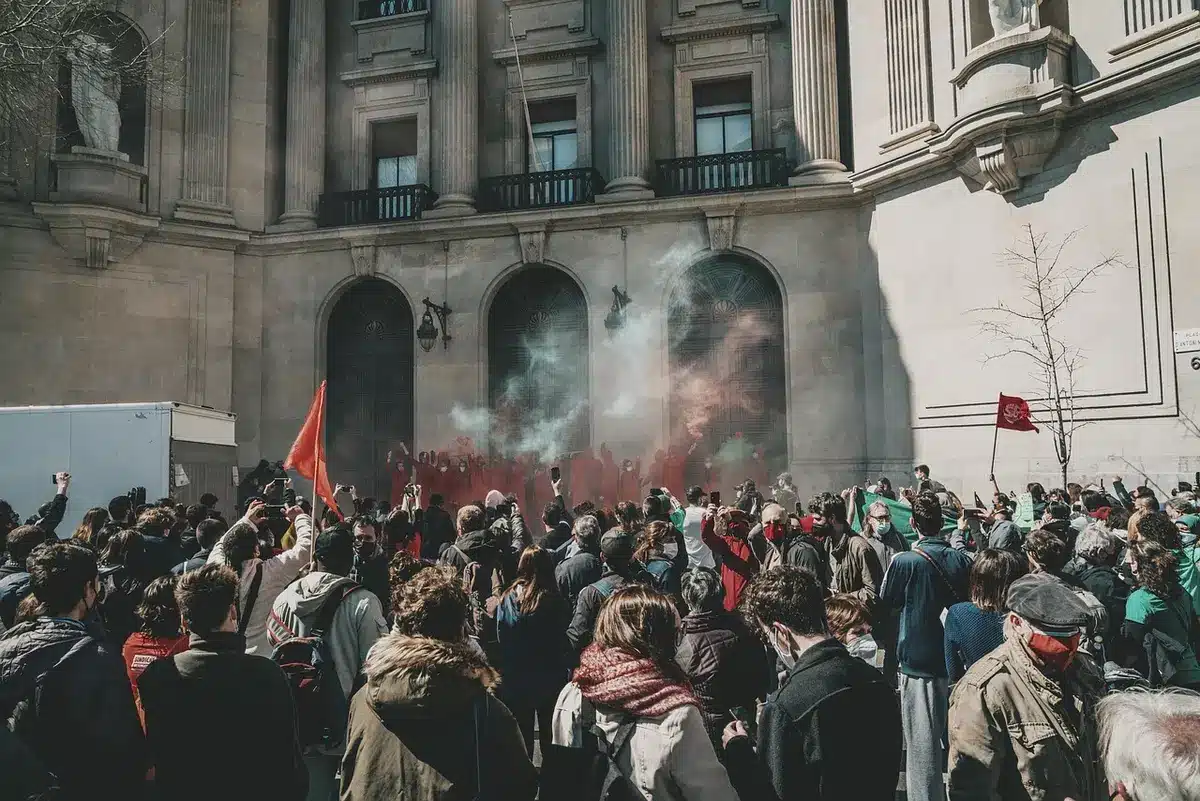
These reactions have underscored why the filmmakers and producers moved to self-distribute. They argue that public access to the material is urgent, and that legal or political pressure must not silence witnesses.
How NAZA differs from the team’s prior project
Abraham and Szor previously worked on No Other Land, a collaborative documentary involving Israeli and Palestinian directors. Despite critical praise, No Other Land struggled to find a distributor. That experience shaped the current rollout strategy.
- No Other Land faced commercial and political headwinds.
- Its limited distribution highlighted risks for films addressing the Gaza war.
- NAZA’s producers say they learned from that process and are acting proactively.
Production partners and reporting partners behind the film
The Guardian is listed among NAZA’s producers. The film’s revelations appeared in reporting by The Guardian alongside +972 Magazine and Local Call shortly after the October 7 attacks. The documentary expands on that journalism by showing scenes and silences that long-form reporting could not capture.
Producers have assembled a cross-border team of advisors and collaborators to manage screenings, publicity, and legal concerns. More partner names and the full screening map will be shared ahead of the wider October rollout.