Show summary Hide summary
- Why turboprops make sense for short mountain hops
- Mountain destinations drawing the most interest
- Which turboprop types could join the fleet
- How passenger feedback shaped the plan
- Operational and regulatory hurdles to clear
- Competition and market timing for mountain routes
- What flyers might see in the coming months
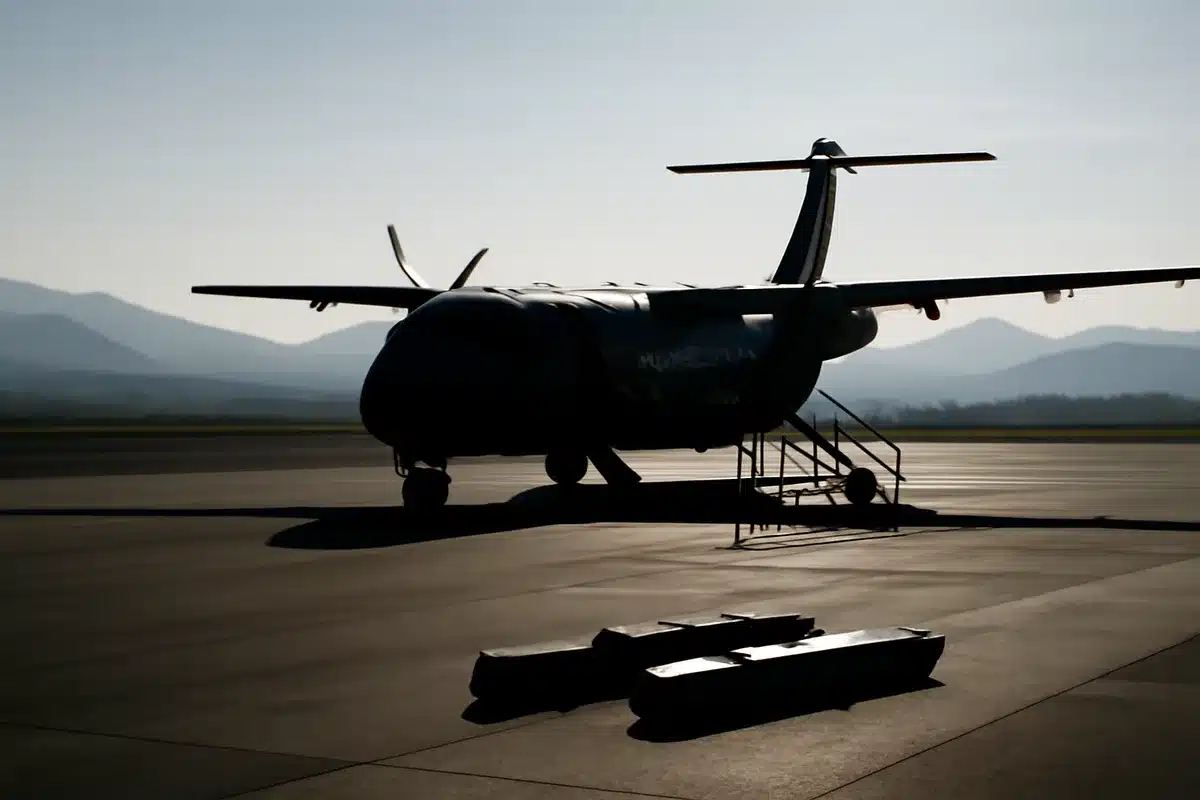
Riding a surge in leisure travelers, JSX is exploring a shift toward turboprop aircraft and launching more services to mountain destinations. The carrier says strong passenger interest in direct, hassle-free flights to ski towns and high-country hubs has prompted new route planning and fleet conversations.
Why turboprops make sense for short mountain hops
Turboprops excel on short runways and at high-altitude fields. That makes them attractive for routes that fixed-wing regional jets cannot serve efficiently.
Sylvester Stallone confesses bulimia and steroid use while filming his most iconic role
Johnny Knoxville blames fun police for killing studio comedies

- Short-field performance: Turboprops can use shorter runways, unlocking smaller, more convenient airports.
- Operational cost: They typically burn less fuel on short sectors, which helps keep fares competitive.
- Flexibility: Turboprops handle steep approaches and variable weather better at some mountain strips.
Mountain destinations drawing the most interest
Company discussions point to a focus on ski and outdoor leisure hotspots. These places fit JSX’s model of short, direct hops from major metros.
- Popular high-elevation gateways that could be prioritized include ski resort airports and regional hubs.
- Seasonal demand spikes during winter and shoulder seasons make these routes financially attractive.
- Smaller airports reduce ground-congestion and shorten total door-to-door time for travelers.
Which turboprop types could join the fleet
JSX is reportedly evaluating several turboprop families that match its regional mission. Choices balance capacity, runway needs, and passenger comfort.
- High-capacity models for busy winter routes
- Smaller, versatile types for thin, off-peak sectors
- Aircraft with proven winter performance and de-icing capabilities
Key features the airline is likely to target
- Efficient short-haul economics
- Cabins that preserve JSX’s premium convenience
- Rapid turnaround and low airport fees
How passenger feedback shaped the plan
Riders have signaled a preference for fewer connections and curb-to-gate simplicity. JSX’s response aims to translate those preferences into more direct mountain flights.
- Convenience: Travelers value bypassing crowded terminals and long transfers.
- Time savings: Direct service to smaller airports cuts total travel time.
- Comfort: Passengers want predictable schedules during busy holiday weeks.
Operational and regulatory hurdles to clear
Turning interest into scheduled service requires permits, airport agreements, and operational upgrades.
- Securing slots or gate access at seasonal airports.
- Meeting noise and environmental rules in mountain communities.
- Training crews for unique approach and de-icing procedures.
Competition and market timing for mountain routes
Other regional and leisure carriers also target ski markets. Timing and niche positioning will determine how well JSX can compete.
- Seasonality means peak profitability in winter months.
- Early route announcements can capture demand and partnerships.
- Codeshares or partnerships could extend reach without heavy capital outlay.
What flyers might see in the coming months
Expect trial routes, targeted seasonal schedules, and promotional fares. JSX may emphasize quick turnarounds and frequent weekend flights.
- Introductory routes to select mountain gateways.
- Short-term increases in seat capacity during holidays.
- Promotions aimed at ski groups and multi-city travelers.
Onboard experience and ticketing hints
- Ticket options likely mirror current convenience-first policies.
- Checked skis and winter gear rules will be clarified before launch.
- Expect faster boarding at private or smaller terminals.