Show summary Hide summary
- From miniature keepsake to real-life winery: what changed at the Delft house
- Why Delft was chosen for a winery experience
- What visitors will find inside the KLM Delft winery
- How the wine is made: partners, grapes, and sustainable practices
- Why this matters for KLM and travel retail
- Visiting the Delft house winery: practical details
- Reactions and what critics note
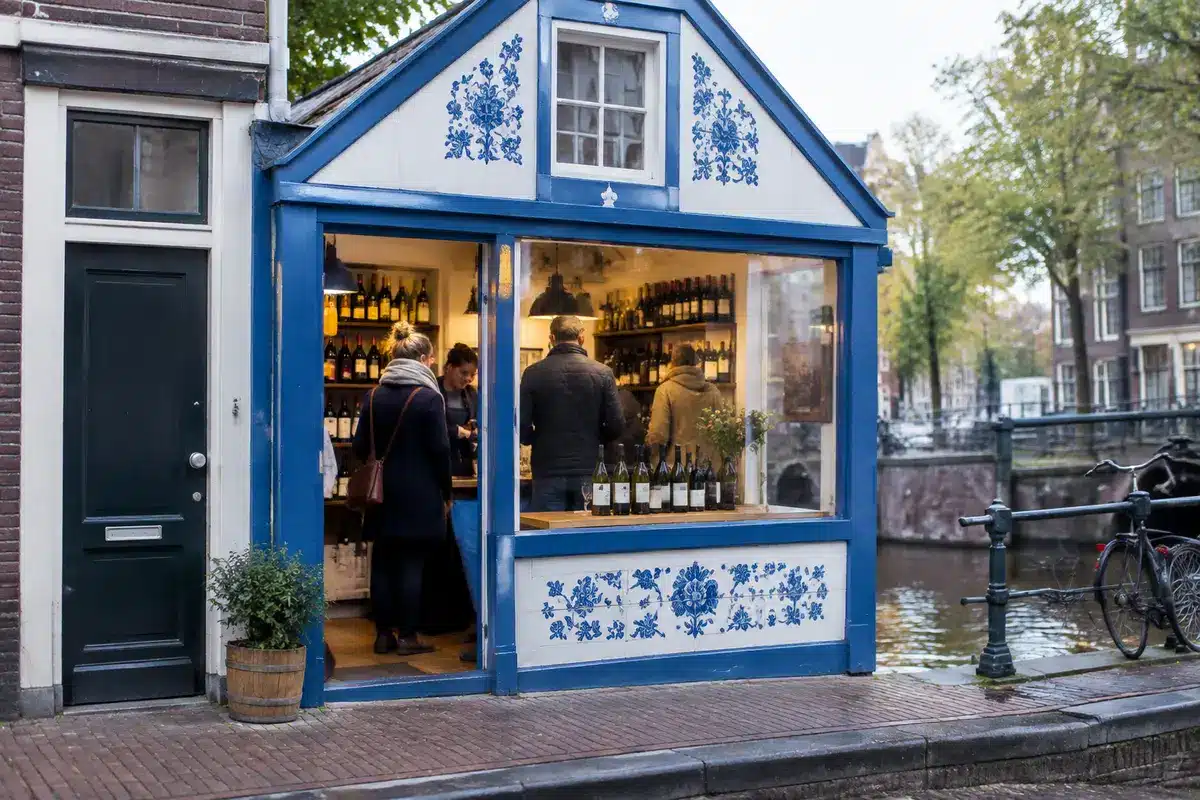
KLM has transformed one of its iconic Delft Blue houses into an intimate winery and visitor space in Delft, blending airline heritage with Dutch winemaking. The move turns a familiar travel collectible into a living brand experience that invites locals and travelers to taste the Netherlands.
From miniature keepsake to real-life winery: what changed at the Delft house
The tiny ceramic Delft Blue houses have long been a KLM tradition on long-haul flights. Now, one of those designs has a physical counterpart in Delft that functions as a boutique winery and tasting room. The space pairs KLM’s story with local wine craft.
Abbott Elementary season 6 free: when it airs and how to watch
Anna Leigh Wilson admits steamy flirtation with co-star: says it was a mistake
Why Delft was chosen for a winery experience
Delft offers a mix of history, craft culture, and tourism traffic. Its canals and pottery heritage create a natural backdrop for a brand activation that highlights Dutch design and hospitality.
- Proximity to Amsterdam and major airports makes Delft easy to reach.
- The city’s artisanal image fits a small-batch wine project.
- Visitors are attracted to experiential tourism linked to local brands.
What visitors will find inside the KLM Delft winery
The converted house combines a tasting bar, a micro-vinification area, and a retail corner for travel-exclusive bottles. The setting is intimate and designed for storytelling.
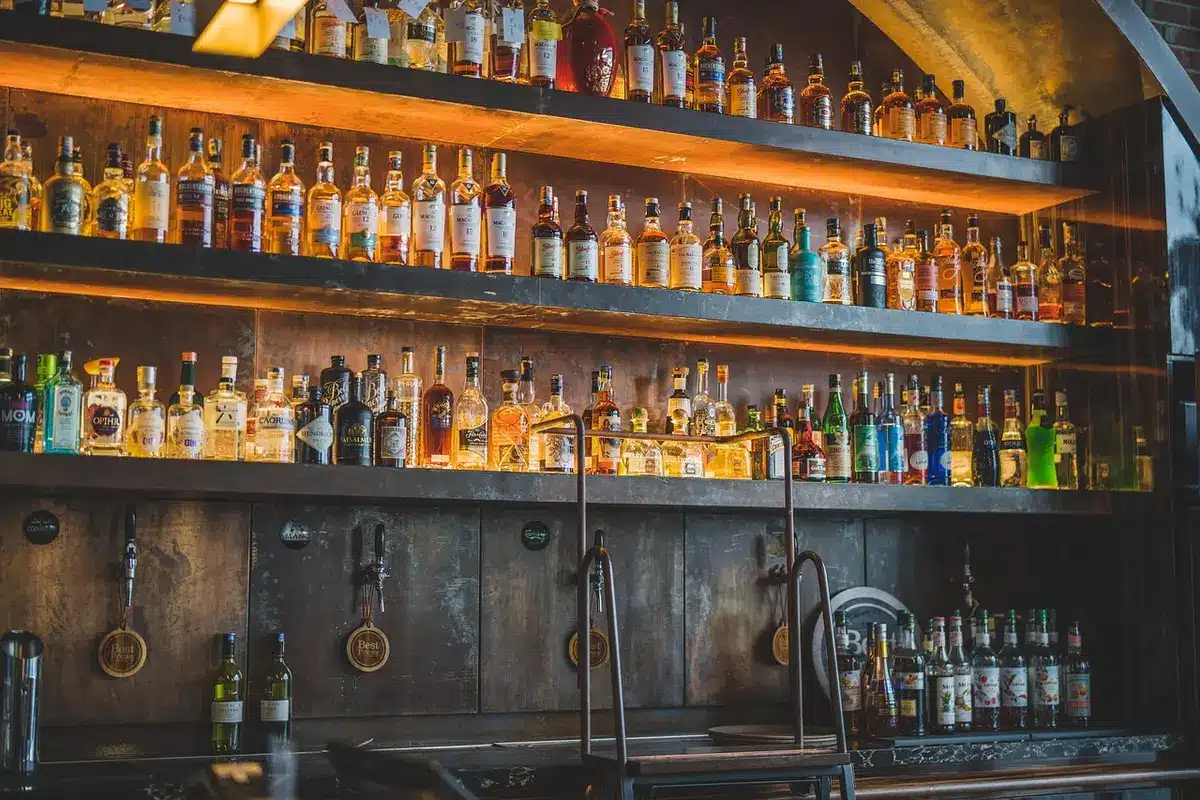
- Tastings: Guided sessions featuring Dutch-grown varieties and KLM-branded labels.
- Behind the scenes: Small-batch fermentation visible through glass panels.
- Shop: Bottles, Delft Blue-themed packaging, and exclusive travel retail items.
How the wine is made: partners, grapes, and sustainable practices
KLM partnered with regional vintners and urban growers to source grapes and share production know-how. Winemaking focuses on low-intervention techniques and short supply chains.
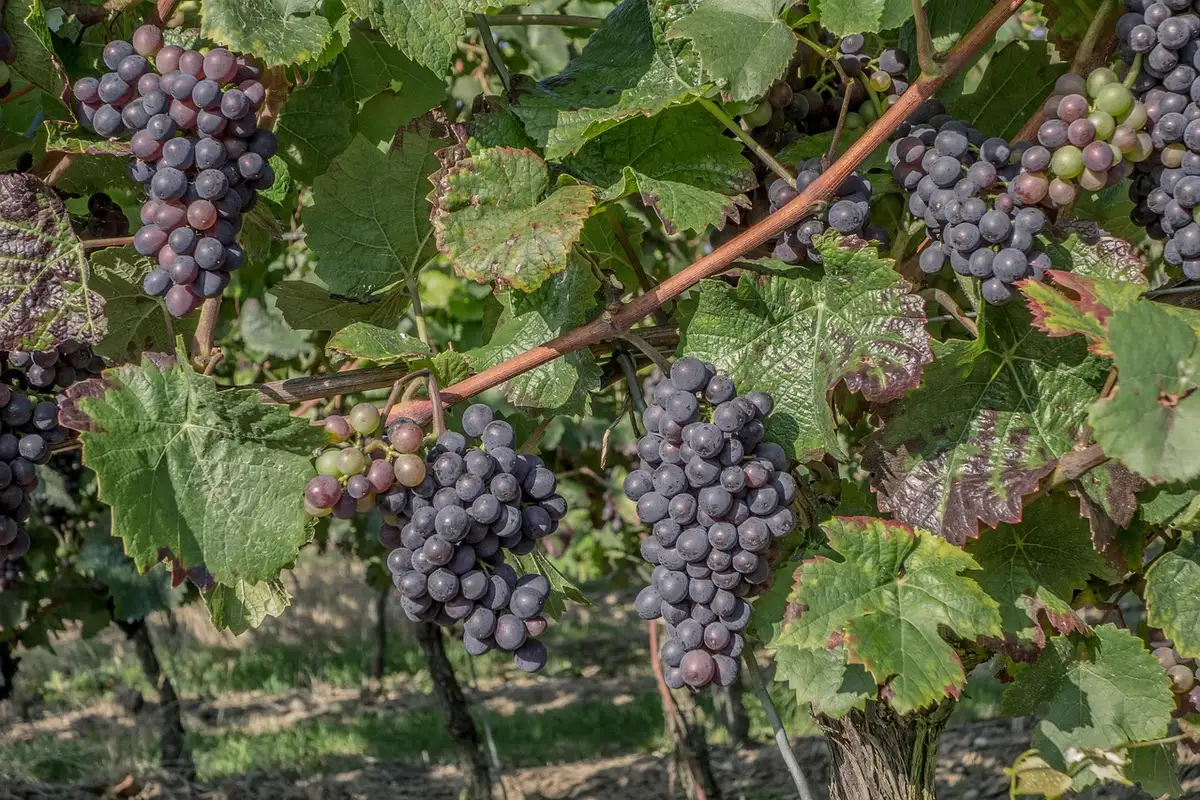
- Collaboration with nearby vineyards provides locally grown grapes.
- Micro-production preserves artisanal methods and limits waste.
- Sustainability: Emphasis on organic practices and recyclable packaging.
Small-scale production, big branding impact
Output is intentionally limited. The aim is to create a premium, collectible product linked to KLM’s travel heritage rather than mass distribution.
Why this matters for KLM and travel retail
Turning a symbolic souvenir into an experience gives KLM a fresh way to engage customers. The winery acts as a physical touchpoint for the airline’s brand story outside airports.
- It strengthens customer loyalty through immersive experiences.
- Offers unique retail products for passengers and visitors.
- Boosts local tourism by adding a new cultural stop in Delft.
Visiting the Delft house winery: practical details
Open to walk-ins and bookable tastings, the venue aims to serve both spontaneous visitors and planned groups. Tickets and opening hours are shared on KLM’s channels and local tourism sites.
- Reservations recommended for guided tastings and weekends.
- On-site purchases include limited-edition bottles and gift packaging.
- Public tours explain the connection between KLM’s Delft Blue legacy and the wine project.
Reactions and what critics note
Early responses highlight the novelty and branding savvy. Supporters praise the blend of heritage and hospitality. Critics question whether an airline-linked winery can scale without losing authenticity.
- Fans: See the project as a clever brand activation.
- Skeptics: Worry about commercialization of cultural symbols.
- Observers note the broader trend of travel brands creating physical experiences.