Show summary Hide summary
- Creator marketing is growing fast — and budgets are following
- Favorite Daughter: building a creator into the brand
- SharkNinja: creators as the engine for viral product moments
- Bob’s Discount Furniture: episodic storytelling and a creator pivot
- Practical tactics brands are using to scale creator ROI
- What retailers say matters most: authenticity and fit
Retailers are planting bigger bets on creator content to reach shoppers where they scroll most. Short series, unboxings and creator-led product demos are lifting engagement and, in several cases, driving meaningful sales gains.
Creator marketing is growing fast — and budgets are following
Brands are increasing investment in creators, not just testing the waters. Recent industry data shows the space is expanding quickly.
Taylor Swift: are we over her now that her love story is complete?
Jaime King and Austin Sosa divorced after secret whirlwind marriage: split leaves them blindsided

- Nearly half of brands report at least triple the return on investment from creator-led campaigns.
- Annual creator budgets rose by roughly 33% year over year, according to a major industry report.
- Analysts expect U.S. brands to spend about $13.7 billion on influencer and creator marketing by 2027.
Retailers large and small are launching formal creator programs. Aerie, Gap Inc., Ugg, Target and Kohl’s all rolled out new initiatives this year.
- Aerie opened a program for its most loyal fans.
- Gap started an employee creator program.
- Ugg invited art students to collaborate on creative assets and product pages.
- Target introduced Club Target and Target Ambassadors.
- Kohl’s added commission structures so creators can earn on sales.
Favorite Daughter: building a creator into the brand
Favorite Daughter, a women’s apparel label founded by sisters, has put creator content at the center of its growth playbook.
The brand hired a social lead who now appears in multiple weekly videos. Her clips focus on real wardrobe wins and practical styling tips. That public-facing role was not the original plan. But engagement rose quickly once the team leaned into authentic, regular content.
For a recent National Daughters Day push, the company worked with 25 creators to kick off the day with live streams. Many of those partners had modest followings but high purchase intent. One creator with around 60,000 followers outperformed some celebrity posts in conversion.
- Result: The brand reached about $2 million in sales on National Daughters Day, roughly double the prior year.
- Strategy: early funnel content, fall hauls, and creator-driven denim pushes.
- Rule of thumb: the brand favors creators who are actual fans and fit its culture.
SharkNinja: creators as the engine for viral product moments
Appliance maker SharkNinja treats creators as a core storytelling mechanism. Executives call creator work the brand’s “magic sauce.”
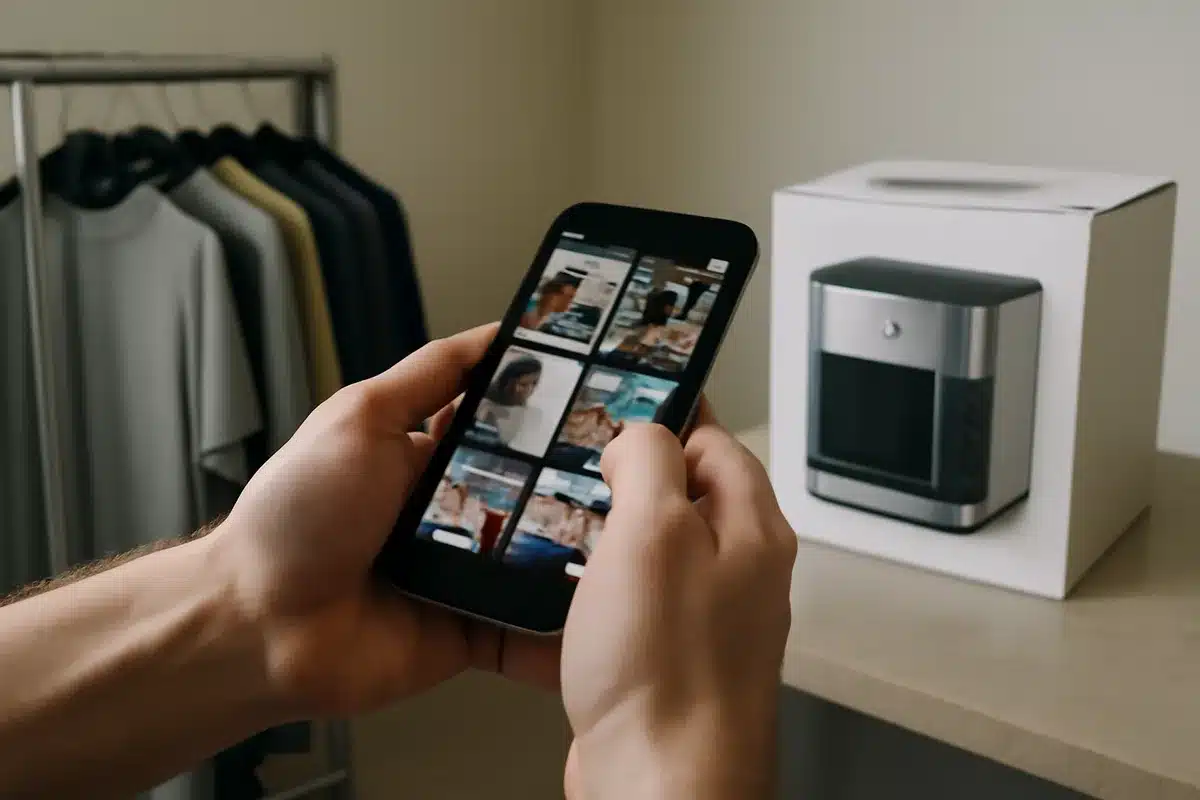
About 70% of the brand’s social content originates with creators. Videos span unboxings, setup guides, recipe demos and close-ups that spotlight product features.
Some releases explode. Content around a popular dessert appliance generated roughly 1 billion impressions after creators shared recipes and hacks. The company also invites creators into its test kitchen to film and iterate on ideas.
How SharkNinja plans creator campaigns
- They map content needs for every product launch.
- Teams decide the right creator mix for each item: nano, micro, macro or celebrity.
- A daily writers’ room produces short “hook” concepts to keep content timely and shareable.
That constant, fast-moving creative rhythm helps the brand jump on viral trends and scale what works.
Bob’s Discount Furniture: episodic storytelling and a creator pivot
Bob’s faced a tough retail backdrop. Higher interest rates and other headwinds put pressure on growth.

One breakthrough was an episodic, shoppable video series. Season one featured everyday couples debating design choices. It attracted roughly 200 million views and drove about $9 million in direct sales.
For season two, the brand shifted course. Instead of cast participants, Bob’s partnered with creators who already had audiences. The company acted as a guest within creators’ content, rather than controlling every element.
- The four couples in season two have a combined reach of about 12 million.
- Early metrics show organic reach and engagement are roughly 50% higher than season one at the same point.
- Observation: creator audiences comment more and show stronger engagement than some influencer feeds.
Bob’s still uses traditional influencers as part of a blended approach. Executives say creators and influencers together form a more powerful mix.
Practical tactics brands are using to scale creator ROI
Across retailers, certain tactics recur. They help turn creator content into measurable results.
- Early-funnel seeding: push hauls and previews weeks before key promotions.
- Live commerce: creators going live to demo and sell products in real time.
- Shoppable episodes: episodic content where items are linked and purchasable.
- Creator councils: in-house teams or writers’ rooms that supply hooks and briefs daily.
- Tiered creator strategies: assign distinct roles to nano, micro, macro and celebrity creators.
- Compensation models: mix free product, commission and flat fees to align incentives.
What retailers say matters most: authenticity and fit
Executives emphasize real affinity more than follower counts. Consumers can detect inauthentic endorsements.
Brands report the best performance when creators genuinely like the product. That trust multiplies engagement and often lifts conversion.
As creator programs mature, teams balance control with creative freedom. The successful brands provide guardrails but let creators shape messages for their audiences.