Show summary Hide summary
- Gozo, Malta — Limestone cliffs and prehistoric temples
- Samos, Greece — Green Aegean hills and wine country
- Vis, Croatia — Military past meets untouched coastline
- Menorca, Spain — Protected shores and Bronze Age monuments
- Sant’Antioco, Italy — Sardinia’s low-key archaeological treasure
- Ithaca, Greece — Mythic seclusion and coastal olive slopes
If your idea of the Mediterranean is a shady cafe by the sea, an affordable local beer, and quiet ruins to wander alone, you don’t have to give up that dream. Skip the supercharged resorts and look for islands that have kept their local rhythms intact. Below are 6 underrated Mediterranean islands that still offer cheap pints, ancient sites, and calm beaches for 2027 travel plans.
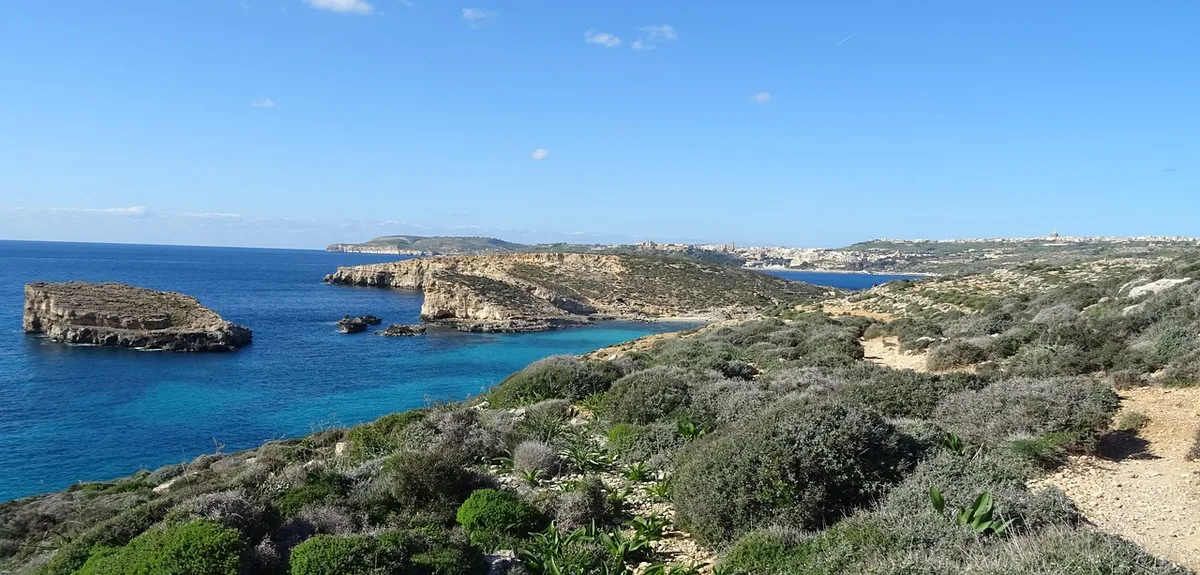
Gozo, Malta — Limestone cliffs and prehistoric temples
What to expect
Mark Hamill of Star Wars unrecognizable in surprise Carrie cameo
6 underrated Mediterranean islands to visit in 2027: $4 pints, ancient ruins and fewer crowds
- The mood: Slow-paced farming villages and sheer sea-facing cliffs.
- Why go: Prehistoric megaliths and quiet coves without long lines.
Local tip
The ferry from Malta takes under an hour. Once on Gozo, set aside time for the Ġgantija temple complex. The stones feel ancient because they are. For divers, the island’s Blue Hole is a top draw. Wear sturdy shoes to access rocky entries, and reward yourself with a cold local lager at a cafe in Victoria.
Samos, Greece — Green Aegean hills and wine country
What to expect
- The mood: Lush slopes, olive groves, and forested valleys.
- Why go: Big archaeological sites minus the crowd crush of popular Cyclades islands.
Local tip
Drive inland to reach cliffside villages like Manolates. You’ll find small tavernas and affordable beers. Hikers should pack proper footwear for crumbly trails around Mount Kerkis. Visit the Heraion for dramatic temple ruins with a rare sense of space.
Vis, Croatia — Military past meets untouched coastline
What to expect
- The mood: Rugged and quietly historic, less developed than nearby hotspots.
- Why go: Greek and Roman remains tucked into coastal towns and secret wartime tunnels.
Local tip
Book a small boat out to Biševo to see the Blue Cave. The ride can be wet and wild; pack valuables in a dry bag. On return, the harbor restaurants serve cold local beer at prices that feel generous compared to high-season hotspots.
Menorca, Spain — Protected shores and Bronze Age monuments
What to expect
- The mood: Calm, pine-backed coves and an emphasis on preservation.
- Why go: A UNESCO Biosphere Reserve with ancient Talayotic stone towers.
Local tip
Follow sections of the Camí de Cavalls, the island’s coastal trail. Finish a stretch at a chiringuito and order a cold Estrella Damm. The beaches here reward early risers and trail runners with solitude.
Sant’Antioco, Italy — Sardinia’s low-key archaeological treasure
What to expect
- The mood: Working fishing ports and unvarnished island life.
- Why go: Layers of Phoenician, Punic, and Roman ruins within short walks.
Local tip
Cross the Roman-built causeway that links Sant’Antioco to Sardinia and wander the pastel harbors at golden hour. Photographers love the warm light on stone. For dinner, try fresh seafood pasta with a local Ichnusa beer.
Ithaca, Greece — Mythic seclusion and coastal olive slopes
What to expect
- The mood: Quiet, romantic, and steeped in legend.
- Why go: Remote ruins tied to Homeric tales and narrow harbors that still feel undiscovered.
Local tip
Arrive via Kefalonia and a short ferry; there’s no airport on Ithaca. Spend slow afternoons in harbors like Kioni, where tables sit inches from the water. Order a Mythos, watch small sailboats drift in, and enjoy one of the Mediterranean’s more intact evenings.