Show summary Hide summary
- Fast trains: Getting to Arles from Paris by TGV
- Arles’ Roman legacy: a compact ancient city to explore
- Follow Van Gogh’s trail through Arles
- Practical entry rules and safety notes for U.S. travelers
- Where to eat: Provençal flavors and local specialties
- Top archaeological highlights and how to visit them
- Day trips from Arles: Saint-Rémy, Glanum, Nîmes and Pont du Gard
- Smart tips for a smoother Arles visit
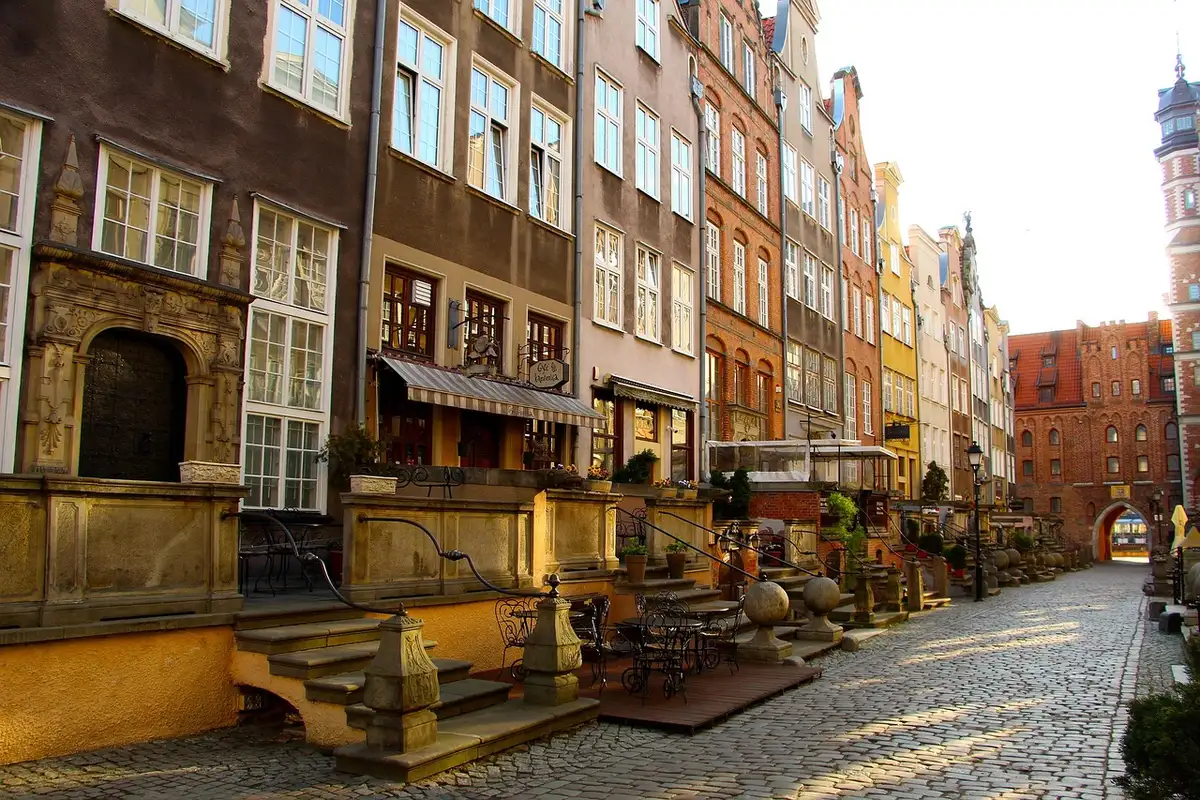
A sunlit town of honey-colored stone, a nearly intact Roman amphitheater, and streets Van Gogh once painted — Arles feels like a secret Provence postcard you can reach from Paris without flying. Fast trains, fewer crowds, and a strong local food scene make it an ideal add-on to a Paris trip.
Fast trains: Getting to Arles from Paris by TGV
Paris to Arles is served by France’s high-speed rail network. Book early for the best prices.
Russell Brand sentenced for rape: Katy Perry and Justin Trudeau all smiles at gala
Judi Dench backs unlikely choice for next James Bond

- Travel time: about 3 to 4 hours on a direct TGV.
- Fares: early-bird tickets can start low, sometimes near $28.
- Cheaper tickets may require a connection or strict refund rules. Check schedules in advance.
- Arrive at the train station 20–30 minutes early to find your platform and validate tickets if needed.
Arles’ Roman legacy: a compact ancient city to explore
The town was once a major Roman provincial capital. Today, its ruins sit inside a lively medieval center.
- Arles Amphitheatre (Les Arènes): a Colosseum-style arena built around 90 AD. It still hosts events.
- Théâtre Antique: a semicircular Roman theatre with restored seating and standing columns.
- Cryptoportiques: atmospheric underground galleries beneath the old forum.
- The 4th-century Roman Obelisk stands in Place de la République.
For visitors, the Pass Avantage bundles access to multiple monuments and museums for a modest fee. It’s an efficient way to see the big sites without buying separate tickets.
Follow Van Gogh’s trail through Arles
Van Gogh lived and painted here. Many scenes he painted are still visible in town.

- Stroll the Rhône promenade and recognize views from Starry Night Over the Rhône.
- Find the original yellow café square that inspired Café Terrace at Night.
- Visit the Espace Van Gogh to see the hospital courtyard painted in 1889. Entry to the courtyard itself is free and very evocative.
Small museums and plaques help you piece together the artist’s months in Arles. Bring a camera and compare real streets to his canvases.
Practical entry rules and safety notes for U.S. travelers
Plan paperwork and stay aware of local guidance before you travel.
- Schengen stay: U.S. passport holders can typically stay up to 90 days in any 180-day period across Schengen countries.
- The EU’s biometric Entry/Exit System is being rolled out. ETIAS, a travel authorization for visa-exempt visitors, will add requirements when active.
- Always verify entry rules with official government sites before departure.
- Safety: France is classed as a destination where travelers should exercise increased caution. Arles is generally calm, especially in the historic core.
- Take standard precautions against pickpockets, particularly around the train station and crowded monuments.
Where to eat: Provençal flavors and local specialties
Arles mixes Provençal and Iberian influences. The food is rich, rustic, and seasonal.
- Gardiane de taureau: a slow-cooked bull stew served with Camargue rice.
- Fougasse: olive oil bread often studded with olives or lardons.
- Gibassier: a sweet bread with orange blossom and anise.
- Seafood from the nearby Mediterranean appears on many menus.
Local bistros offer hearty meals for reasonable prices. One favorite with locals and visitors serves classic Provençal dishes near the amphitheater for about $28 per plate.
Top archaeological highlights and how to visit them
Most major sites are walkable inside the compact old town. Here are the essentials and tips.
- Arles Arena: walk around the outside first to admire the limestone arches, then join a guided visit if available.
- Théâtre Antique: check the events calendar — summer performances bring the stones to life.
- Cryptoportiques: enter via the town hall for a cool, atmospheric underground tour.
- Buy a monument pass if you plan to see multiple sites in one visit.
Day trips from Arles: Saint-Rémy, Glanum, Nîmes and Pont du Gard
Use Arles as a base to explore more of Provence and nearby Roman sites.
- Saint-Rémy-de-Provence: a 40-minute bus ride. Visit Saint-Paul-de-Mausole asylum where Van Gogh stayed.
- Glanum: Roman ruins outside Saint-Rémy built around a sacred spring.
- Nîmes: a 25-minute direct train ride. Famous for another well-preserved Roman arena and the Maison Carrée temple.
- Pont du Gard: a short trip from Nîmes. This three-level Roman aqueduct is a UNESCO World Heritage site with swimming spots nearby.
Smart tips for a smoother Arles visit
Small details make a big difference when you travel here.
- Book TGV tickets early to lock in low fares and preferred seats.
- Carry a lightweight guide or map to match Van Gogh paintings to real locations.
- Visit major monuments early morning or late afternoon to avoid mid-day crowds.
- Keep small change for museums and local markets. Many cafés still prefer cash for small orders.
- Wear comfortable shoes — the old town has many cobbled streets.