Show summary Hide summary
- What went wrong in the Green Eggs and Ham parody
- Cast banter and comedy that saved the moment
- On-air apology during the final bows
- Why the network likely avoided fines
- Earlier in the show: a controversial monologue line
- How networks handle live profanity
- Past live slips and how they compare
- Audience reaction and social media fallout
- What this means for live comedy and hosts
A live broadcast took an unexpected turn when host Shane Gillis uttered an expletive during a Dr. Seuss–themed sketch on Saturday Night Live. The slip-up halted the scene, drew belly laughs and gasps in Studio 8H, and prompted a brief on-air apology as the comedian tried to steer the show back on course.
What went wrong in the Green Eggs and Ham parody
Gillis was playing a Seuss-like character trying to stop Sam-I-Am from pestering a father figure with a plate of green eggs and ham. The bit relied on rapid back-and-forth and tight timing. Midline, Gillis mouthed an uncensored swear. He immediately flinched and broke character.
Gypsy Rose Blanchard releases private texts with Ken Urker: shuts down custody rumors
Oliver Stark injured in stunt on 9-1-1 set: 3 others hurt
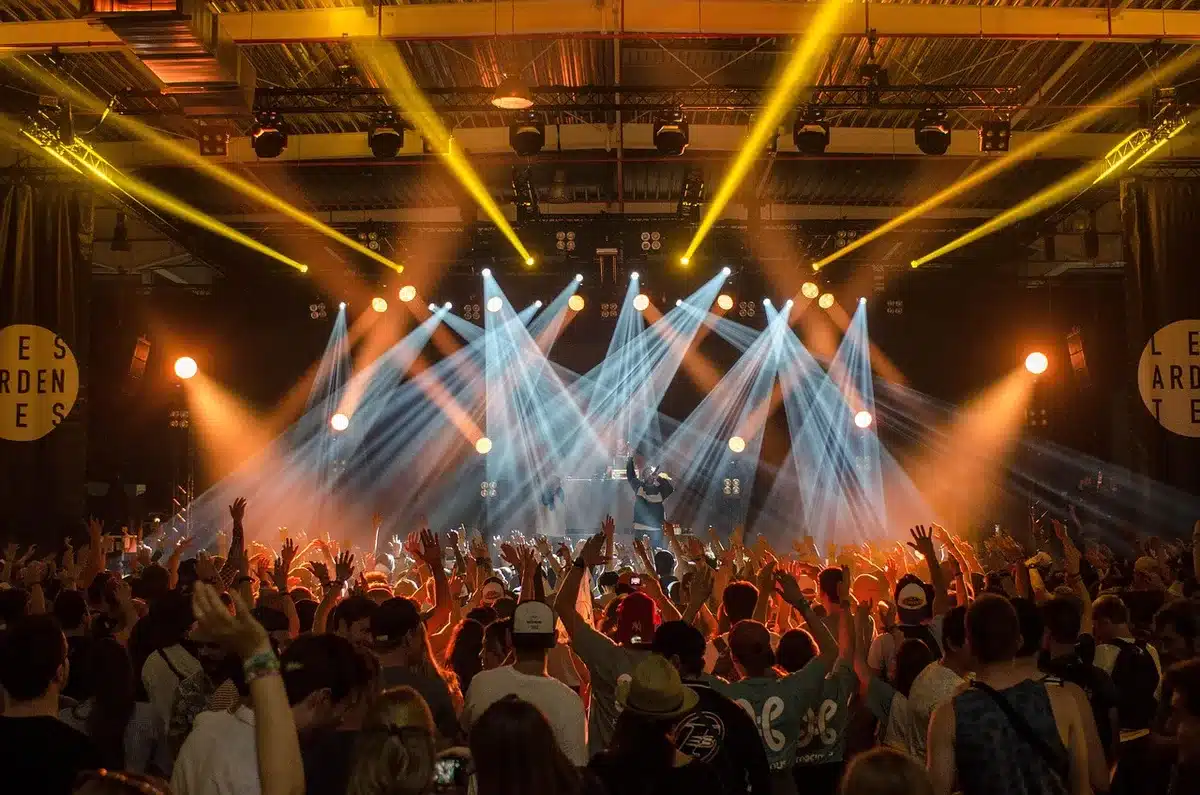
The audience reaction was instant: nervous laughter, audible surprise and the cast visibly startled. Gillis paused, waved to the crowd and addressed co-stars Andrew Dismukes and Mikey Day before resuming the sketch.
Cast banter and comedy that saved the moment
Rather than end the scene, fellow performers folded the stumble into the comedy. One cast member jabbed about the mistake. Gillis owned it and played along, turning the mishap into more laughs.
- The live audience cheered and laughed at the improv recovery.
- Gillis’ reaction—blushing, smiling and breaking the fourth wall—kept the mood light.
- Cast members used quick ad-libs to smooth the transition back to the script.
On-air apology during the final bows
When the show wrapped, Gillis took a moment during the closing curtain call to say sorry. He thanked the audience, offered a short apology and signed off with a friendly farewell.
Edited versions of the episode later removed the uncensored line. Clips posted online and on demand were cleaned up before release.
Why the network likely avoided fines
Late-night slots and FCC rules
Broadcast indecency rules apply stricter hours. The FCC bans obscene, indecent and profane content between 6 a.m. and 10 p.m.
SNL airs well after that window and carries a TV-14 rating, which usually shields it from federal penalties for a late-night slip.
Earlier in the show: a controversial monologue line
Gillis’ monologue earlier that night drew mixed reactions. He made edgy observations about gym fashion and bodywear that split the crowd between laughter and groans.
Several jokes targeted modern workout styles and social-media culture. Some audience members reacted with jeers, others with applause, reflecting the fine line the host walked that evening.
How networks handle live profanity
When curses happen on live TV, producers and platforms follow a quick playbook.
- Immediate cutaways or camera changes during the broadcast when possible.
- Apologies or acknowledgements by the host during closing moments.
- Removal or censorship of the offending audio in streamed or archived versions.
Past live slips and how they compare
Live swears on SNL are not unprecedented. Other hosts and musical guests have uttered expletives in past seasons. Those incidents were handled similarly: edits for later upload and public apologies when warranted.
Networks often weigh public reaction against content policy and the time of broadcast when deciding whether to pursue further action.
Audience reaction and social media fallout
Within minutes of the broadcast, clips and commentary showed up online. Fans praised the improvisational recovery, while critics focused on the host’s earlier remarks and the profanity itself.

- Supporters highlighted the quick comedic save.
- Detractors called attention to the monologue’s tone.
- Social posts noted that the edited uploads removed the uncensored line.
What this means for live comedy and hosts
The episode is a reminder of live television’s unpredictable nature. For hosts, it reinforces the risk of edgy material and the need to recover gracefully when a line is crossed.
In this case, improvisation and an on-air apology kept the night moving.