Show summary Hide summary
- Why the Canary Islands are Europe’s top warm-weather winter escape
- How much a winter trip to the Canaries actually costs
- How to reach the islands and move around with ease
- Safety, language and practical traveler tips
- Top island highlights you should not miss
- Suggested itineraries for different trip styles
- Money-saving strategies and best practices
- Local flavors and experiences to prioritize
Think winter in Europe means coats, gray skies and canceled beach plans? Think again. A chain of Spanish islands off Africa gives sunny temperatures, sandy shores, and cultural streets — all without a Caribbean price tag.
Why the Canary Islands are Europe’s top warm-weather winter escape
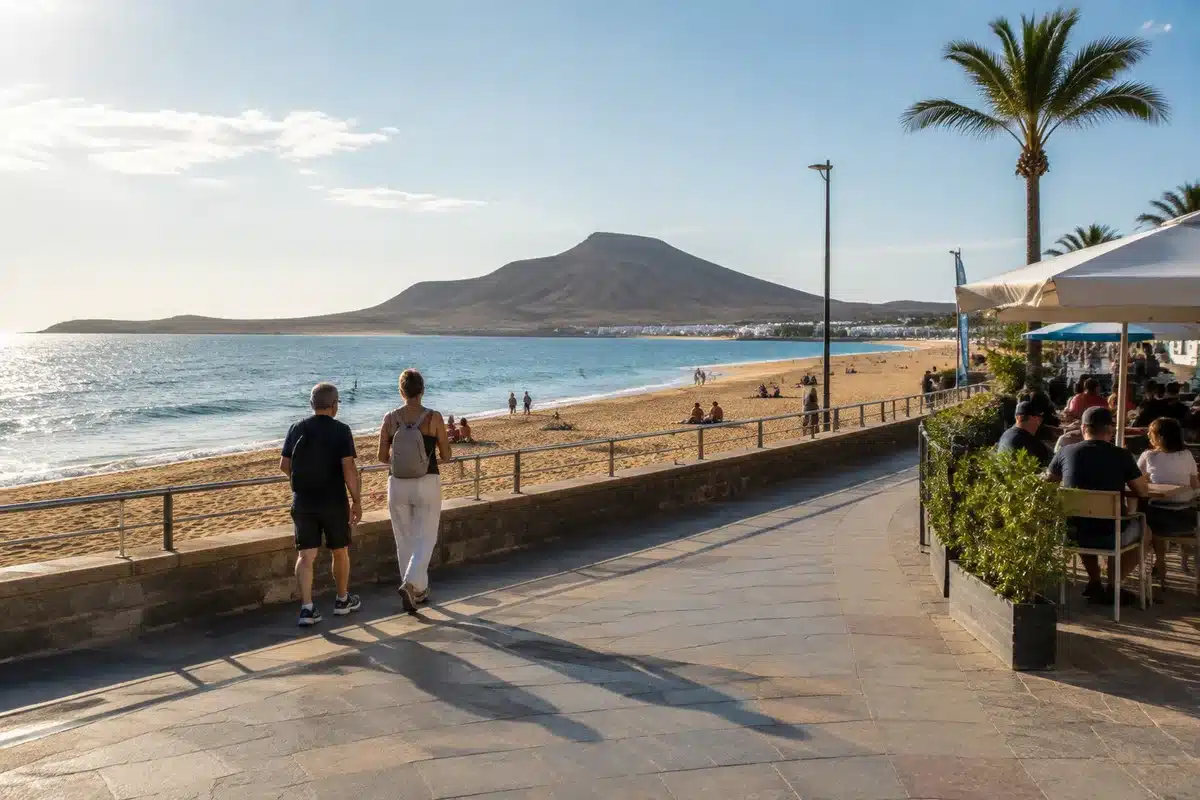
The Canary Islands sit far south of mainland Spain and enjoy mild, stable weather through winter. Daytime temps often stay in the low 70s Fahrenheit. That makes them arguably the warmest beach option still officially in Europe.
Gypsy Rose Blanchard releases private texts with Ken Urker: shuts down custody rumors
Oliver Stark injured in stunt on 9-1-1 set: 3 others hurt
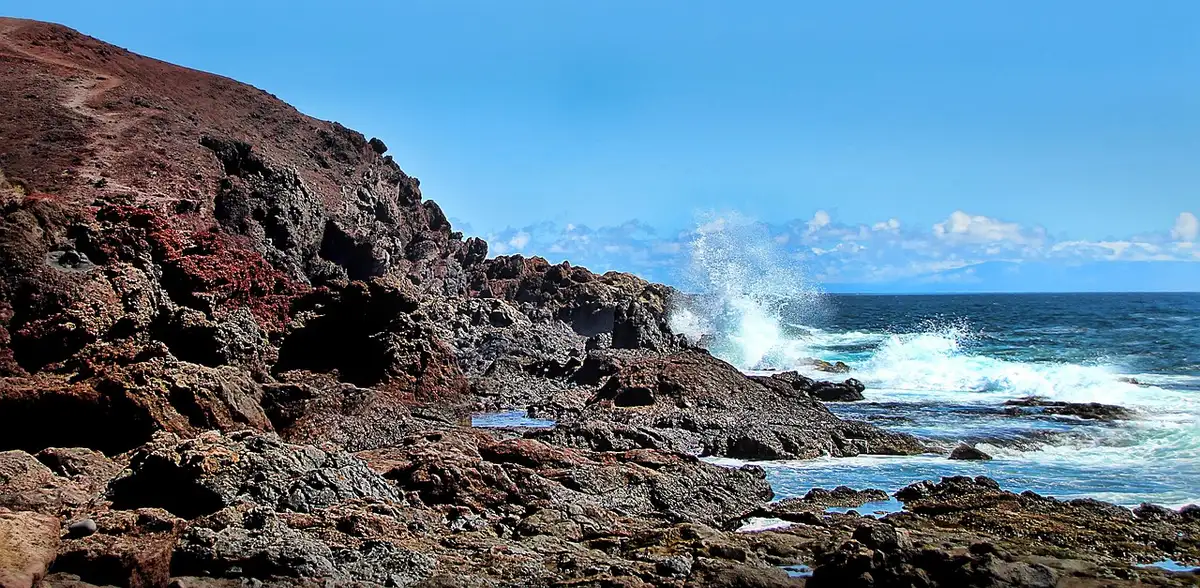
Tourists find a mix of volcanic scenery, historic towns, and beaches with golden or white sand. The islands attract Europeans in winter, so services and flights are well developed. For travelers wanting sun, culture, and value, the Canaries hit all three.
How much a winter trip to the Canaries actually costs
One of the biggest draws is value. Dining, wine, and accommodations tend to be cheaper than Caribbean resorts. Below is a realistic daily and per-item price guide.
- Accommodation: Expect clean boutique hotels or seaside apartments for about $90–$130 per night in peak winter.
- Local wine by the glass: Volcanic varietals at plazas or taverns run $3–$5.
- Typical snack — papas arrugadas: Local wrinkled potatoes with mojo sauce cost $5–$8.
- Seafood tapas: Fresh Atlantic small plates at a casual waterfront café are $10–$20.
- Espresso: A strong cup at a bakery costs about $1.50–$2.
- Car rental: Small cars are often $30–$45 per day — useful for national parks and coastal drives.
- Local bus rides: Short intercity trips are usually $2–$3 per ticket.
How to reach the islands and move around with ease
Reaching the Canaries is straightforward from Europe. Major hubs offer frequent low-cost flights. Many travelers combine a stop in Madrid with a short domestic flight to the islands.
- Long-haul visitors can fly into Madrid or Barcelona and connect onward.
- Direct flights from some US gateways are seasonal; check routes before booking.
- On the islands, buses are reliable and cheap. Renting a car gives flexibility for remote beaches and parks.
English is widely spoken in tourist areas, and the euro is the local currency. Cards are commonly accepted. Overall, travel friction is low.
Safety, language and practical traveler tips
The Canary Islands are known for low crime and a welcoming atmosphere. You can stroll historic neighborhoods at night with minimal worry.
- Language: Spanish is official. Learn a few phrases; English is common in hotels and restaurants.
- Health and safety: Tap water is fine in most places, but check island-specific guidance for remote areas.
- Packing: Bring layers. Days are warm; nights can be breezy especially near the coast.
- Season timing: December–March offer stable mild weather. Shoulder months see fewer crowds.
Top island highlights you should not miss
Each island delivers different landscapes and experiences. Below are four standout visits that show the Canary Islands’ variety.
Tenerife’s calm white-sand beaches
Head to Playa de Las Teresitas for soft sand and sheltered water. Much of the sand was transported from the Sahara. The beach’s artificial protection keeps waves small. It’s ideal for families and long lazy afternoons.
Gran Canaria’s colonial heart and desert meeting sea
Explore Vegueta to walk centuries-old cobblestone lanes and see Spanish colonial architecture. For dramatic natural contrast, visit the Maspalomas dunes where golden sand rolls into the bright blue Atlantic.
Lanzarote’s volcanic vineyards and unique wine scene
La Geria produces grapes planted in volcanic ash. The dark, lunar-like vineyards create wines you won’t find elsewhere. Tastings are affordable and often accompanied by stark, beautiful landscapes.

Highland scenery and national parks
Mount Teide in Tenerife is a volcanic landmark. Its national park offers craggy ridges and panoramic vistas. Bring warm layers for higher elevations where temperatures drop sharply.
Suggested itineraries for different trip styles
Whether you want beaches, culture, or adventure, the islands work for short and longer stays. Here are compact plans to maximize time.
- Relax and beach: 5–7 days in Tenerife with a base near Las Teresitas and day trips to seaside towns.
- Active and scenic: 6–9 days combining Gran Canaria’s dunes, Teide hikes, and coastal drives.
- Wine and culture combo: 4–6 days including Lanzarote’s La Geria and historic Vegueta for museums and plazas.
Money-saving strategies and best practices
If you want to keep costs low, follow local habits and avoid resort-only areas.
- Eat where locals do rather than resort restaurants.
- Use public transport for short hops; rent a car only for multi-day explorations.
- Book flights into a major Spanish hub, then use budget carriers to hop to the islands.
- Look for small guesthouses or apartments; many offer kitchen access to save on meals.
Local flavors and experiences to prioritize
The food culture blends Spanish and Atlantic influences. Try fresh seafood, small plates, and regional wines.
- Papas arrugadas with mojo: A classic small-plate starter everywhere.
- Atlantic fish tapas: Simple, fresh, and often very affordable.
- Volcanic wines: Sample whites and reds grown in ash for unique flavor profiles.
- Cafés and plazas: Spend mornings at a local bakery for espresso and people-watching.