Show summary Hide summary
- Why Eastern Europe Makes Sense for Safe, Affordable Travel
- Wrocław, Poland — Gothic squares, canals and tiny bronze surprises
- Jajce, Bosnia and Herzegovina — a waterfall town with medieval echoes
- Košice, Slovakia — Eastern charm, cathedral vistas and calm streets
- Vilnius, Lithuania — bohemian capital with an artist republic and lively cafes
- Practical travel tips for visiting these Eastern European gems
If you long for cobbled squares, grand cathedrals and meals that won’t blow your travel budget, consider turning east. These quieter European cities deliver Old World beauty, affordable dinners near $15, and streets that feel unexpectedly calm. Below are four standout destinations in Eastern Europe that combine history, safety, and value — perfect for travelers skipping the usual crowds.
Why Eastern Europe Makes Sense for Safe, Affordable Travel
Many visitors assume that Western capitals equal safety and spectacle. The reality is more nuanced. Large parts of Eastern Europe offer richly preserved heritage sites, fewer tourists, and daily costs that can be a fraction of those in Paris or Rome. For budget-conscious travelers looking to avoid heavy crowds, the region is a smart pick.
Kansas basketball preseason exhibition schedule: full dates, opponents and TV channels
Alexander Skarsgård sparks outrage with lick my worm T-shirt at Wicker screening
- Lower tourist density: fewer queues and calmer public spaces.
- Great value: restaurant meals, coffee and accommodation often cost much less.
- Historic variety: from Gothic cathedrals to Ottoman-era lanes and riverside fortresses.
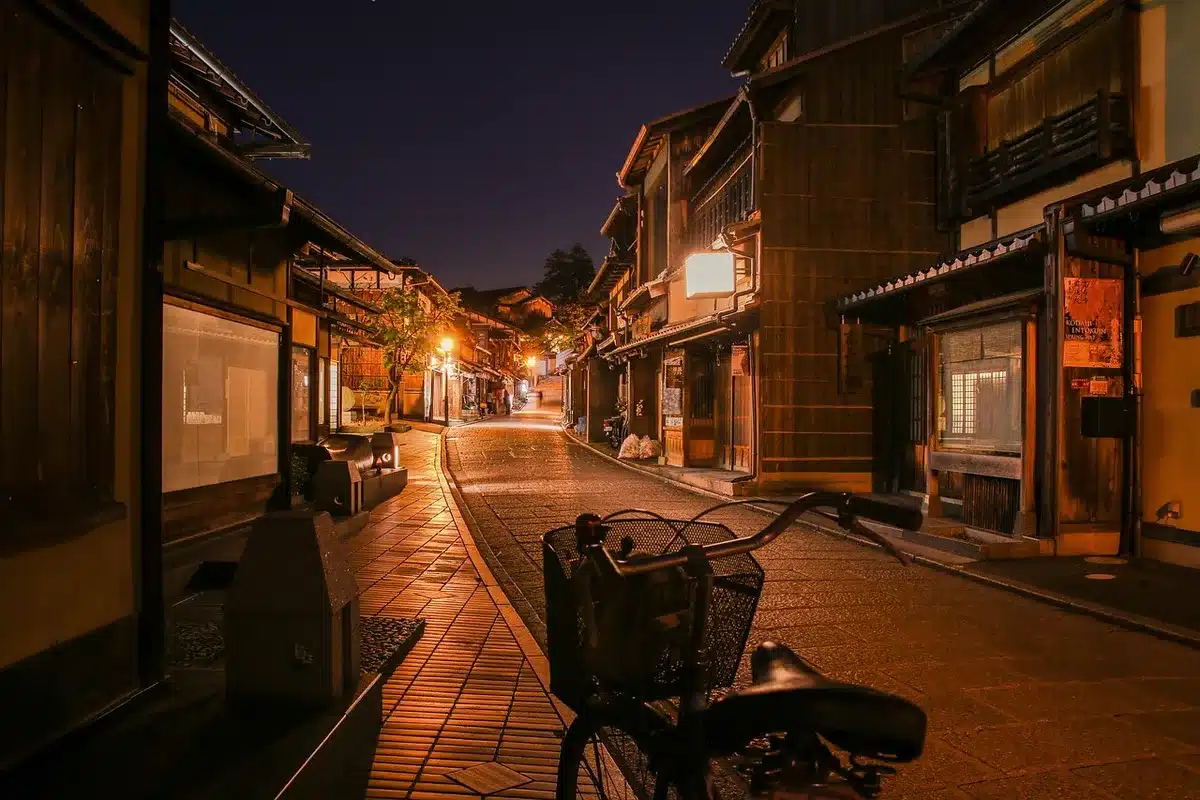
Wrocław, Poland — Gothic squares, canals and tiny bronze surprises
Wrocław is a lively, walkable city with wide boulevards, tram-lined streets and a market square that feels like a postcard. It mixes Germanic architecture and Polish flair and rewards slow exploration.
Top sights to bookmark
- Rynek (Old Town Square) — a vivid market square anchored by an ornate Town Hall.
- Ostrów Tumski — the oldest island quarter with soaring cathedral spires.
- St. Mary Magdalene’s Church — Gothic towers connected by an eerie bridge.
- Centennial Hall — a UNESCO-listed early concrete landmark.
- Wrocław gnomes — hunt for over 1,000 miniature bronze figures around the city.
Safety snapshot
Poland is generally safe for visitors. Wrocław experiences low rates of violent street crime. Petty theft is uncommon compared with Western tourist hotspots. The U.S. Department of State classifies Poland as a Level 1 destination, and recent traveler scores place it high on safety indexes. Normal precautions are sufficient for most travelers.
Budget guide & travel tips
- Average meal prices: pierogi $8–12, mains $10–18, three-course mid-range $25–42.
- Drinks & transit: cappuccino $3.50–5, beer $3.50–5.50, single tram ticket ≈ $1.20.
- Where to stay: budget hotels $40–75, 4-star $85–150 (per night, double).
- Time needed: 2–3 nights to see the main highlights.
- How to arrive: fly into Warsaw or Kraków and take a direct train to Wrocław in about 3–4 hours.
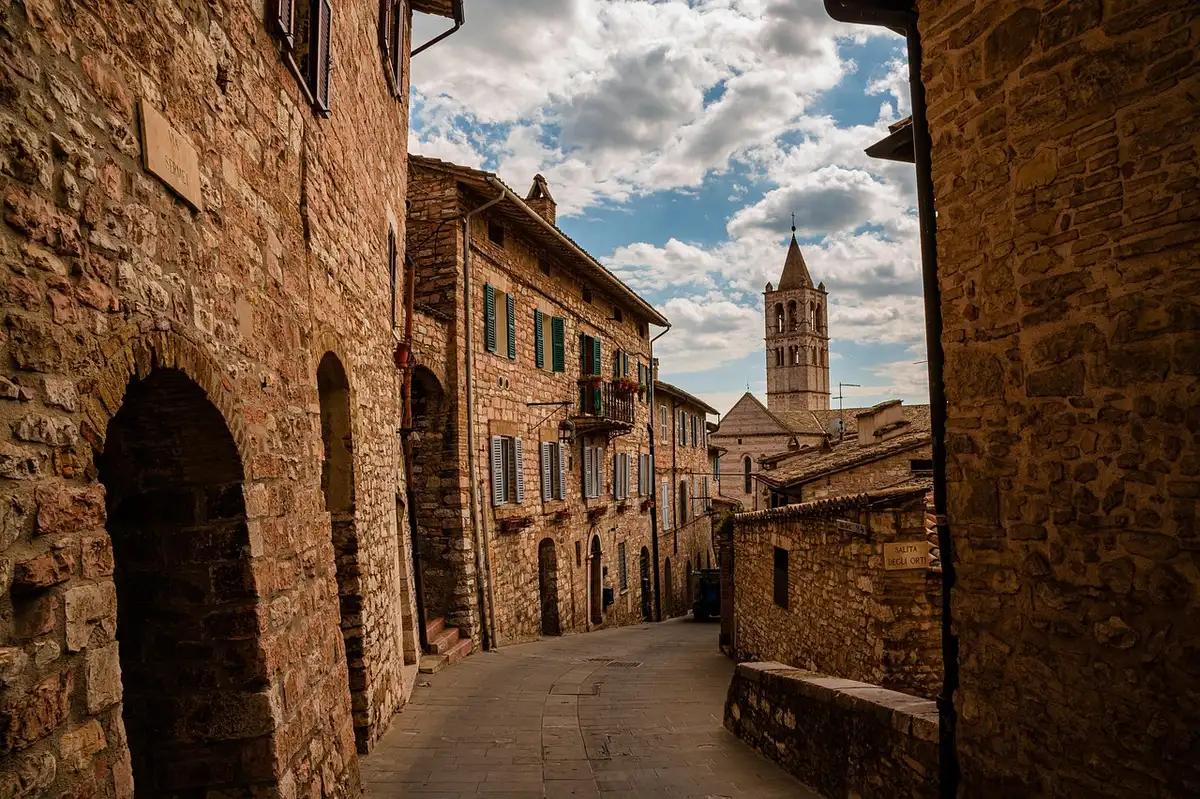
Jajce, Bosnia and Herzegovina — a waterfall town with medieval echoes
Jajce feels like a fairy-tale settlement built around moving water. The town’s waterfall crashes through the old center, while Ottoman lanes and fortress ruins tell centuries of history.
Must-see places in and around Jajce
- Pliva Waterfall — a dramatic cascade right beneath the Old Town.
- Jajce Fortress — panoramic views and medieval battlements.
- St. Mary’s Church ruins — linked to Bosnia’s medieval coronations.
- The Catacombs — carved burial chambers beneath the town.
- Pliva Lakes & watermills — turquoise waters and traditional wooden mills nearby.
Safety snapshot
Bosnia’s past conflict still shapes perceptions, but many towns are peaceful and visitor-friendly today. Jajce sits in the Federation and is known for low street-crime levels relative to regional norms. The country carries some travel cautions for landmines and political sensitivities in parts, so follow local advice and stick to well-trodden tourist areas.
Budget guide & travel tips
- Average meal prices: ćevapi $4–7, mains $7–14, mid-range three-course $18–30.
- Local costs: Bosnian coffee $1.50–2.50, beer $1.50–3.
- Accommodation: guesthouses $30–60, 4-star hotels $75–125 per night.
- How long to stay: 1–2 nights to enjoy the waterfall and fortress.
- Getting there: fly to Sarajevo, then take a direct bus to Jajce (about 3–4 hours).
Košice, Slovakia — Eastern charm, cathedral vistas and calm streets
Košice offers the feel of a historic regional capital without the throngs. Its compact Old Town makes it easy to discover Gothic and Baroque architecture at a relaxed pace.
Highlights visitors love
- St. Elisabeth Cathedral — Slovakia’s largest church and a Gothic landmark.
- Hlavná Street — the city’s main artery with cafés and elegant facades.
- Singing Fountain — a decorative musical fountain in the center.
- Immaculata plague column — a striking Baroque monument.
- East Slovak Museum — regional history and cultural exhibits.
Safety snapshot
Slovakia generally records low violent crime and enforces public order. Košice sees far fewer pickpocketing incidents than Europe’s biggest tourist magnets. Petty theft can occur, especially around busy spots, but it is not pervasive. The U.S. State Department lists Slovakia at Level 1; common-sense vigilance is enough.
Budget guide & travel tips
- Food costs: bryndzové halušky or pirohy $12–15, three-course meals $22–37.
- Everyday prices: coffee $2.50–5, beer $2–3.50, transit $1.50–2.
- Rooms: budget hotels $55–95, 4-star $110–180 per night.
- Suggested stay: 2 nights to cover the Old Town and nearby sights.
- How to reach: direct flights to Košice from some hubs, or rail from Vienna and Bratislava.
Vilnius, Lithuania — bohemian capital with an artist republic and lively cafes
Vilnius blends a UNESCO Old Town with a scrappy creative scene. It’s a compact capital filled with Baroque charm, quirky neighborhoods and easy riverside walks.
Top attractions to explore
- Cathedral Square — a central meeting place with a Neoclassical cathedral.
- Gediminas’ Tower — panoramic views above the city.
- Gate of Dawn — a cherised city gate with a shrine.
- St. Anne’s Church — famed for its striking red-brick Gothic design.
- Užupis — the self-declared “Artist’s Republic” full of murals and indie bars.
Safety snapshot
Lithuania is an EU and NATO member with low violent-crime rates. Vilnius is generally calm, though standard city precautions apply in busy nightlife and transit areas. The U.S. Department of State ranks Lithuania at Level 1. Be mindful of your belongings, but don’t let geopolitics deter you from visiting.
Budget guide & travel tips
- Eating out: local meals like cepelinai $15–17, three-course $25–45.
- Daily costs: cappuccino $3–4, beer $4–6, public transport $1.50 per hour ticket.
- Where to sleep: budget hotels $55–90, 4-star $115–185 per night.
- Recommended time: 2–3 nights to enjoy Old Town and nearby Trakai castle.
- Getting there: fly via major European hubs, or connect by short intra-European flights.
Practical travel tips for visiting these Eastern European gems
- Passport & entry rules: check current entry requirements and any biometric or permit changes before you book.
- Carry small cash: many cafés and markets are cash-friendly, even if cards are accepted widely.
- Public transport: buy single tickets or short passes; apps and kiosks make it easy in most cities.
- Language: English is common in tourist areas, but learning a few phrases can enhance interactions.
- Local cuisine: sample traditional dishes — they’re affordable and part of the cultural experience.