Show summary Hide summary
- Why travelers are waking up to Moldova
- Chișinău: a capital that breaks the postcard mold
- How cheap is it, really? Moldova’s 2026 price guide
- Must-see places beyond Chișinău
- Transnistria: a fragile time capsule and a travel warning
- Entry rules for Americans and avoiding EU fingerprint checks
- Practical tips for a smooth visit
If your idea of Europe includes overflowing tourist trails and sky-high bills, consider a detour to a country that feels like a well-kept secret. Moldova offers storybook castles, cellar-after-cellar of wine, and a capital shaped by Soviet-era architecture — all at prices that make Western Europe look extravagant. For American visitors there’s an extra perk: no EU EES fingerprinting on arrival.
Why travelers are waking up to Moldova
Moldova sits between Romania and Ukraine. It has no coastline, but it does have centuries of history, fertile vineyards, and small towns that look frozen in time.
WNBA finals predictions: who has the edge in Dream vs Valkyries?
Sharon Osbourne wakes with dent in face after botched plastic surgery
The country rose from the historic region of Bessarabia and has lived under Ottoman, Russian, Romanian, and Soviet influence. Its modern independence dates to 1991. That layered past is visible in ruined fortresses, hilltop monasteries, and wide, Soviet-era boulevards in the capital.
For bargain-minded explorers, Moldova is hard to beat. Food and lodging are inexpensive. Local wines are world-class and affordable. And for U.S. passport holders, entry is hassle-light compared with much of Europe.
Chișinău: a capital that breaks the postcard mold
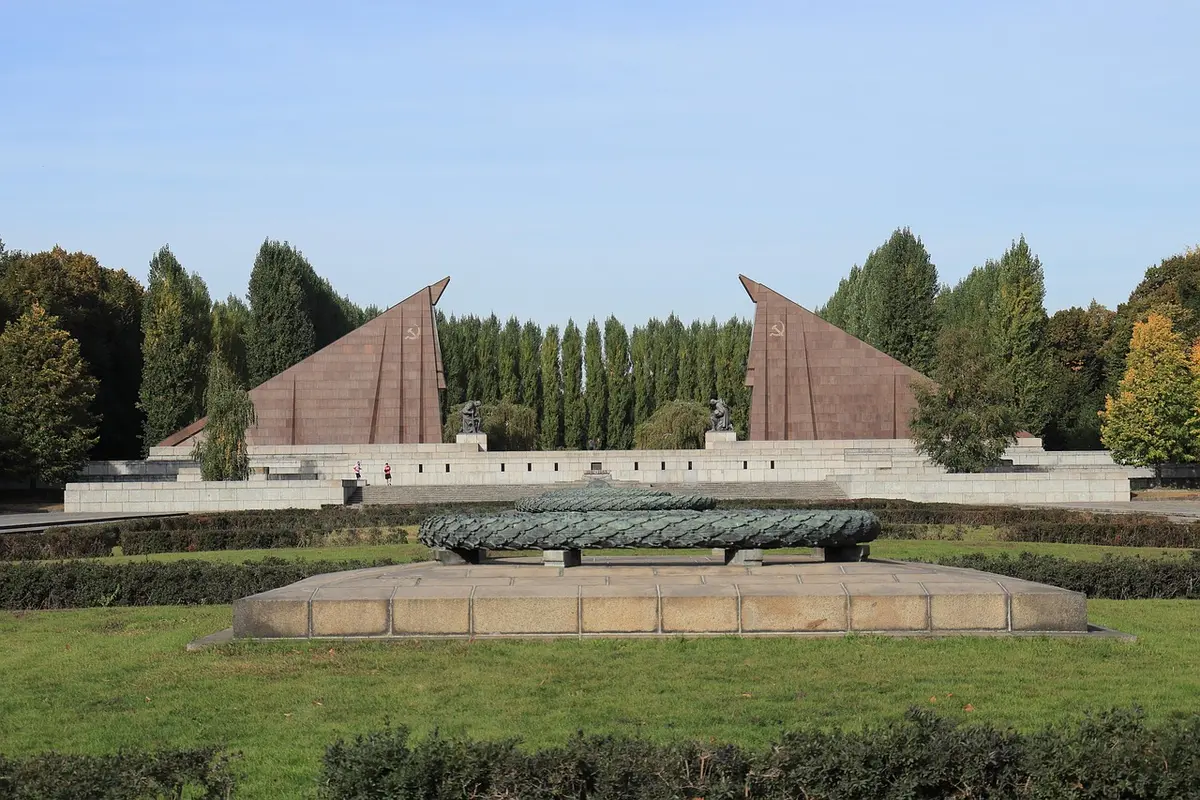
Chișinău is not a cobblestone fairy tale. It’s a green, sometimes messy city shaped by the 20th century. Broad avenues, concrete civic buildings, and parklands dominate the skyline. That odd mix is the city’s personality.
Culture, parks and unexpected dining
Despite the austere facades, Chișinău hums. Cafés line leafy streets. Farmers’ markets sell seasonal produce. The dining scene mixes local comfort dishes with surprising global options — from Eastern European classics to Japanese and Italian restaurants.
- Local flavors: sarmale, mămăligă, plăcintă and hearty soups give a true sense of the region.
- International choices: sushi sets and wood-fired pizza are common and budget-friendly.
- Atmosphere: parks and Soviet monuments create a different European mood, one that appeals to travelers who prefer authenticity over polish.
How cheap is it, really? Moldova’s 2026 price guide
Moldova delivers real value for money. Meals, drinks, and accommodation often cost a fraction of what you’d pay in Western capitals.
- Street snack (plăcintă, covrig): $1.50–4
- Local entrée (sarmale with mămăligă): $8–15
- Three-course meal with wine: $25–38 per person
- Cappuccino: $1.50–3
- Glass of local wine: $2.50–5
- Local beer (draught): $2.50–4.50
- Public transport ticket: $0.35–0.50
- 3-star hotel: $55–95 per night
- 4-star hotel: $85–150 per night
- Mileștii Mici tour (three tastings): ~$45–50
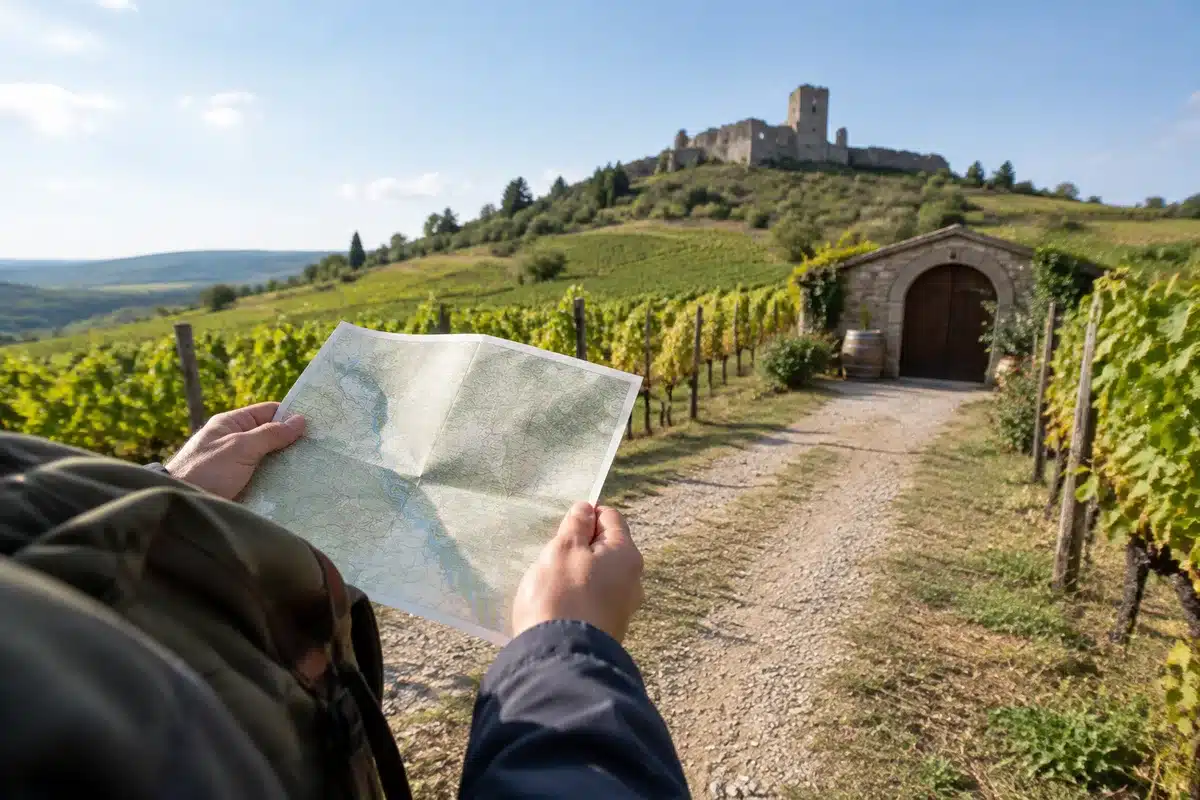
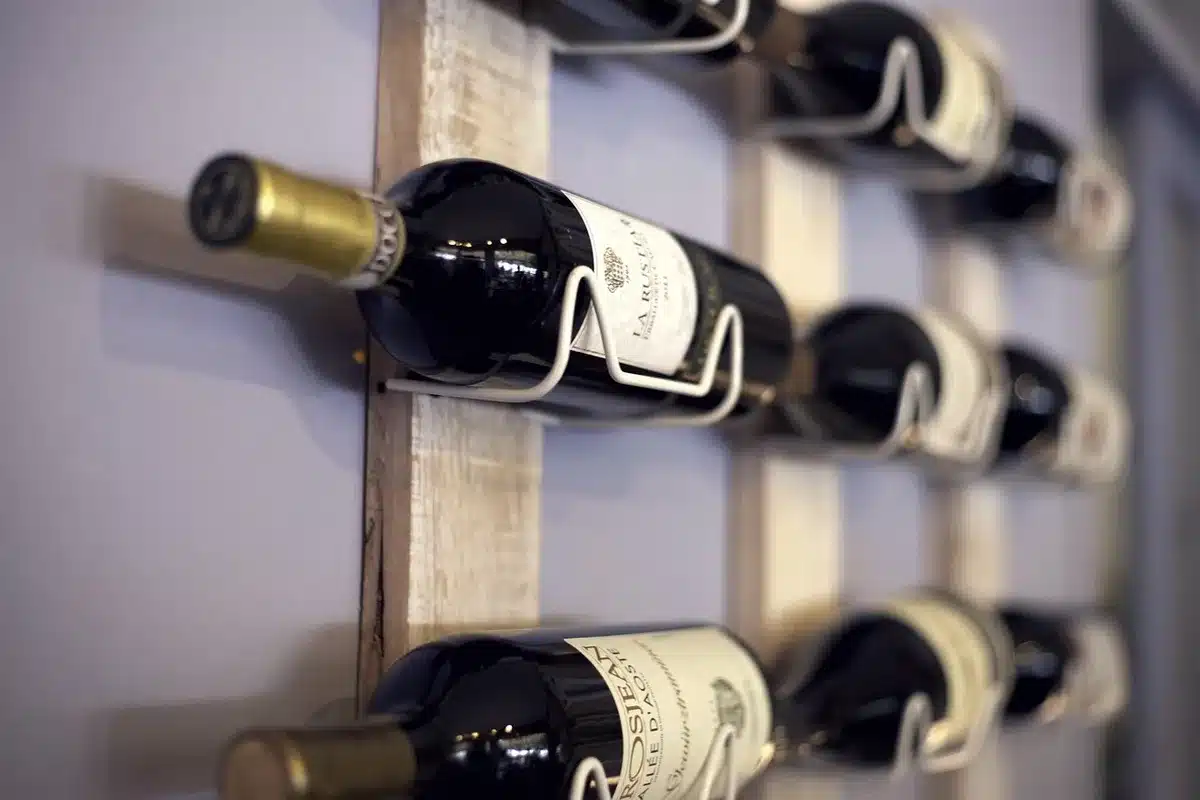
Moldova produces millions of gallons of wine annually. Reds like Rară Neagră and whites like Viorica are staples. Mileștii Mici, a short drive from the capital, stores millions of bottles in underground galleries and is a top reason many visitors book a day trip.
Must-see places beyond Chișinău
Leave the city to discover centuries-old monasteries, cliffside hermitages, and fortresses that feel lifted from history books.
- Orheiul Vechi: an archaeological complex with a cave monastery and panoramic views.
- Țipova Monastery: rock-cut cells clinging to river cliffs above the Dniester.
- Soroca Fortress: a striking stone citadel on the Dniester’s banks.
- Căpriana Monastery: one of the country’s oldest spiritual centers.
- Saharna: a series of waterfalls and small pilgrimage sites tucked in a ravine.
- Rudi Convent: an 18th-century complex that showcases traditional Bessarabian architecture.
- Bender (Tighina) Fortress: a heavily fortified stronghold in the east.
Transnistria: a fragile time capsule and a travel warning
A narrow, self-declared republic along the Dniester River operates with deep Russian ties. It has its own currency and institutions, yet it is internationally recognized as part of Moldova.
Tiraspol, the largest city in the strip, looks and feels like a preserved Soviet town. Statues of Lenin, old Soviet signage, and decade-worn public spaces create a strong historical vibe.
The U.S. Department of State classifies Transnistria as Level 3: Reconsider Travel. Issues include the presence of Russian troops, checkpoint unpredictability, limited consular access, and the risk of arbitrary detention. If you go, keep politics out of conversations and respect local rules.
Entry rules for Americans and avoiding EU fingerprint checks
U.S. citizens can enter Moldova without a visa for short stays. The country is not in the EU or Schengen Area, so it runs its own border system and does not use the EU Entry/Exit System (EES).
You may stay up to 90 days in any 180-day period. If you transit through Schengen airports, be aware that EES and biometric checks apply there. Planning your route can help you avoid those procedures.
Ways to transit without triggering EES
- Book a through-ticket that keeps you airside in Schengen transit hubs.
- Fly via non-Schengen hubs: Dublin, London, or Istanbul are common one-stop options.
- Remember: the UK requires an Electronic Travel Authorization for U.S. travelers who enter the country for connections.
What to carry when traveling to Moldova
- Passport valid at least 3 months past departure
- At least one blank passport page
- Proof of onward or return travel if asked
- Evidence of accommodation or sufficient funds, if requested
- No visa, EES registration, or ETIAS is required for short stays
Practical tips for a smooth visit
Renting a car opens rural Moldova, where lanes wind past vineyards and hamlets. Expect daily rental costs in the ballpark of $35–55 with basic insurance.
- Safety: standard urban cautions apply. Pickpocketing and small scams are the most likely hassles.
- Transport: buses and minibuses connect many towns. City trolleybuses and buses are cheap and frequent.
- Money: the Moldovan leu trades at roughly 18 lei to the dollar. Cash is useful outside large cities.
- Behavior: avoid photographing military sites or checkpoints. In Transnistria, stay low-key and follow local guidance.