Show summary Hide summary
- Why Waterford Is Going Viral with Travelers
- Living History: Sites You Can Walk To
- Museums, VR and Unique Experiences
- Pubs, Food and That Authentic Irish Atmosphere
- Is Waterford Safe for Visitors?
- Money Matters: What You’ll Pay
- Entry Rules: Biometric Checks and Travel Tips
- Short Trips and Scenic Drives from Waterford
Waterford has quietly become the Irish city on many shortlists. Once overlooked next to Dublin and Galway, this riverside port is now drawing more visitors, thanks to intact Viking relics, compact medieval streets and an easygoing local vibe that makes exploring feel effortless.
Why Waterford Is Going Viral with Travelers
Tour data released by local authorities shows a sharp uptick in downtown foot traffic during the summer of 2025. Pedestrian counts climbed from roughly 3.75 million to about 4.89 million, a surge that grabbed travel editors’ attention.
Heated rivalry future revealed: gay hockey romance teases second season
Tony Shalhoub avoided Hollywood spotlight: daughter reveals surprising reason
Part of the appeal is simple: Waterford is Ireland’s oldest city. It combines deep history with a human-scale center. Visitors get castle ruins, historic churches and centuries-old pubs without the crush of large tourist hubs.
Living History: Sites You Can Walk To
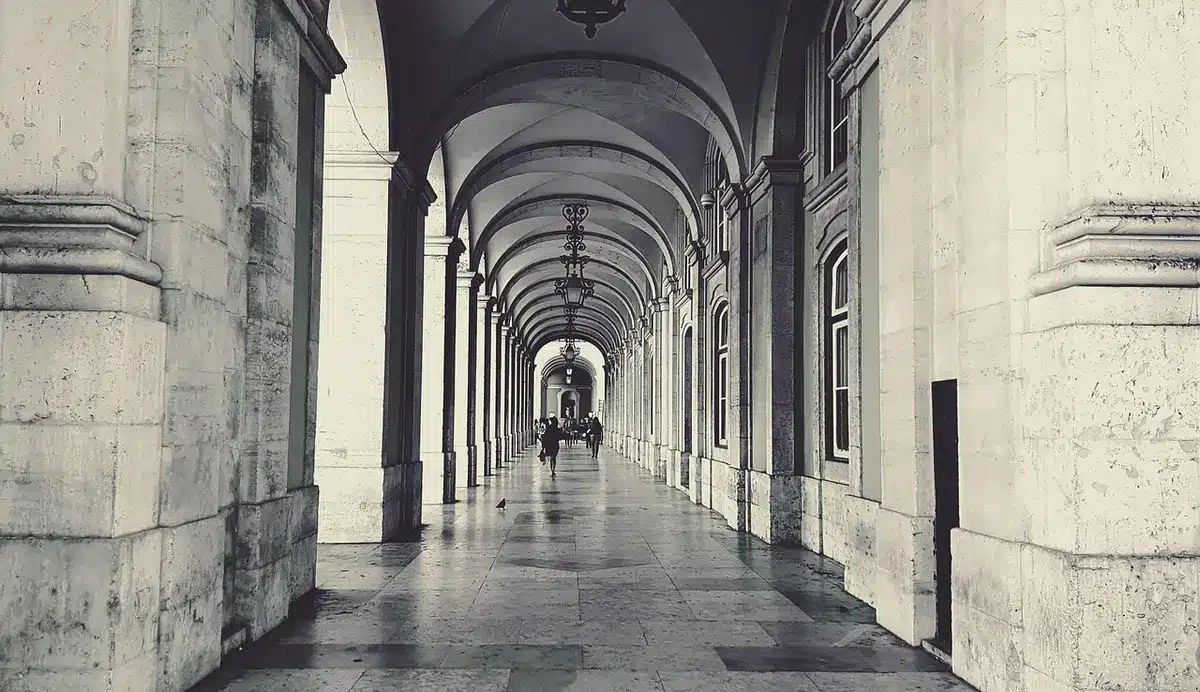
The city’s compact Old Town concentrates layers of Irish history in short walking loops. Viking foundations, Norman and medieval architecture, and Georgian homes sit within minutes of each other.
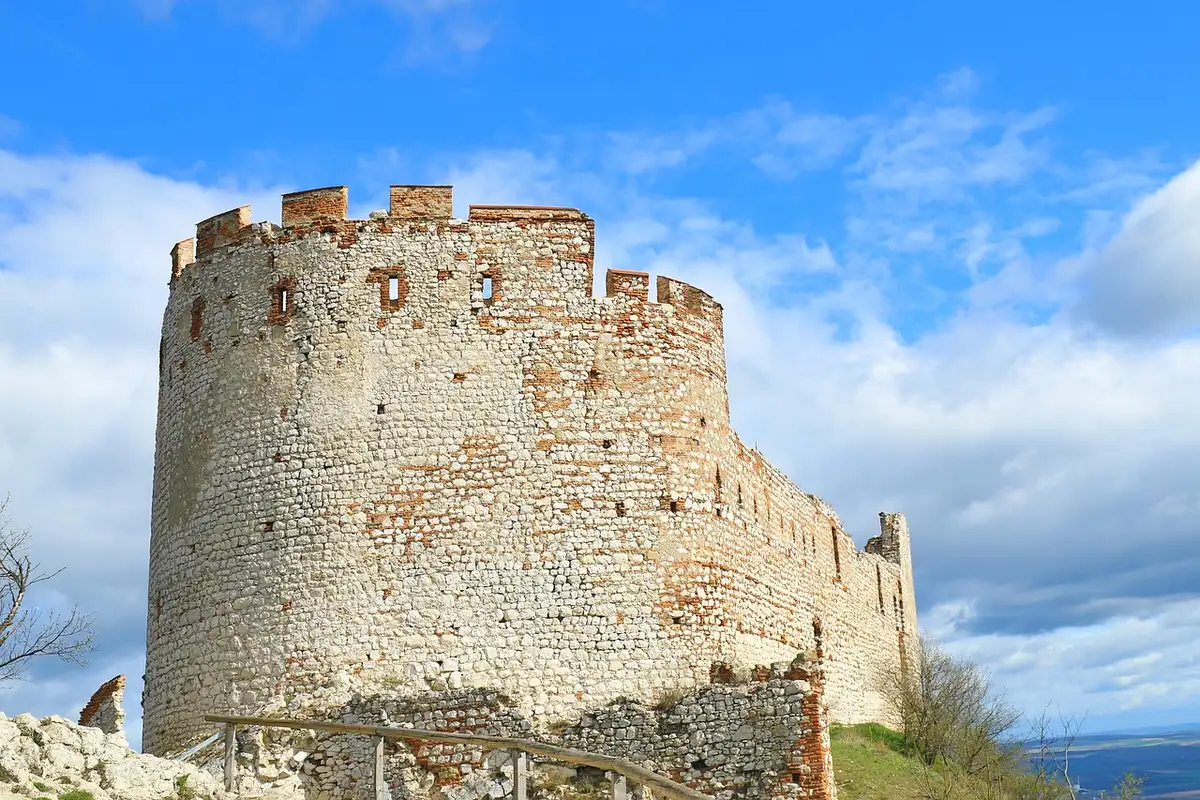
Reginald’s Tower and the Viking Triangle
Reginald’s Tower dominates the riverside skyline. The circular stone keep dates to medieval times and contains archaeological finds that trace back to the Norse settlers.
Medieval Museum and Christ Church
The Medieval Museum uses original medieval chambers to display artifacts and ecclesiastical treasures. Nearby, Christ Church sits on a site linked to the 12th-century Anglo-Norman era.
Bishop’s Palace and Waterford Glass
The elegant Bishop’s Palace holds 18th-century furnishings and the famed 1789 Penrose Decanter. Across town, the House of Waterford Crystal preserves a living craft tradition with live demonstrations.
Museums, VR and Unique Experiences
Waterford’s museums lean into immersive storytelling. History is not only on display; it’s staged.
- King of the Vikings — a virtual reality experience inside a reconstructed Viking house.
- Medieval Museum — genuine medieval rooms housing textiles, regalia and artifacts.
- Irish Museum of Time — a niche collection dedicated to historic clockmaking in Ireland.
- House of Waterford Crystal — factory tours showing blowing, cutting and engraving.
Many visitors say the blend of hands-on exhibits and small, well-curated collections makes museum-hopping one of the best ways to spend a rainy afternoon.
Pubs, Food and That Authentic Irish Atmosphere
Waterford’s pub scene still feels local rather than staged for tourists. Traditional wood-paneled bars, snug corners and long-running family establishments remain central to city life.

- Henry Downes & Co: a late-18th-century institution with classic interiors and local whiskey pours.
- Tom Maher’s: an old-school pub on O’Connell Street known for its Whiskey Mac and timbered barroom.
Pint prices are generally lower than Dublin. Expect a creamy stout to cost around six to seven dollars in many establishments.
Is Waterford Safe for Visitors?
Overall, Waterford is easier to navigate than Ireland’s capital. The Historic Center is compact and less crowded, which reduces the kinds of petty crime often reported in big city tourist zones.
That said, petty theft and late-night disorder can occur in any town with busy pubs. Keep personal items secure and avoid confrontations with intoxicated strangers.
The U.S. Department of State lists Ireland as a Level 1 destination for travelers. Recent traveler-sourced safety indices also place Waterford among the safer Irish city options.
Money Matters: What You’ll Pay
Waterford can feel more affordable than Dublin, though Ireland remains a moderately expensive country. Accommodation tends to be cheaper, while meals and attractions keep prices similar.
- Café lunch or sandwich: $9–20
- Pub main (stew or fish and chips): $19–29
- Three-course mid-range dinner: $40–57 per person, drinks extra
- Cappuccino: $3.50–5.50
- Pint of Guinness: $6–7.50
- Local bus one-way: $1.50 with a Leap Card, $2–2.50 cash
- Museum entry: $6–11
- Freedom of Waterford pass: roughly $26
- House of Waterford Crystal tour: about $23
- Budget guesthouse for two: $100–145 per night
- 4-star hotel for two: $155–220 per night
Expect rainy days here: the region sees measurable rain on many days of the year. That fact nudges some travelers to favor museums, cozy pubs and scenic drives.
Entry Rules: Biometric Checks and Travel Tips
Americans flying directly to Ireland avoid the EU’s Entry/Exit System (EES) biometric checks. Ireland isn’t part of the Schengen Area and has an exemption from EES requirements.
If your itinerary includes a Schengen country before arriving in Ireland, you may undergo EES checks when passing Schengen border control. Traveling via the United Kingdom requires advance electronic permission for many nationalities, such as a UK ETA for landside connections.
If you’re unsure which rules apply to your trip, consult an official entry requirements checker before you travel.
Short Trips and Scenic Drives from Waterford
Use Waterford as a base to discover southeastern Ireland’s dramatic coastline, waterfalls and historic villages. Here are top day trips worth planning.
- Ardmore: a tiny seaside village with a 12th-century round tower and a 2.5-mile cliff walk.
- Mahon Falls: a short hike through a glacial valley to a ribbon waterfall.
- Dunmore East Cliff Walk: red-sandstone cliffs and seafront trails.
- Lismore: castle gardens, a graceful river, and a storybook town center.
- Kilkenny: the medieval ‘Marble City’ with an imposing riverside castle.
- Hook Lighthouse: an operational, centuries-old beacon on a rugged headland.
- Copper Coast: a UNESCO geopark with sea stacks, coves and 460-million-year geology.