Show summary Hide summary
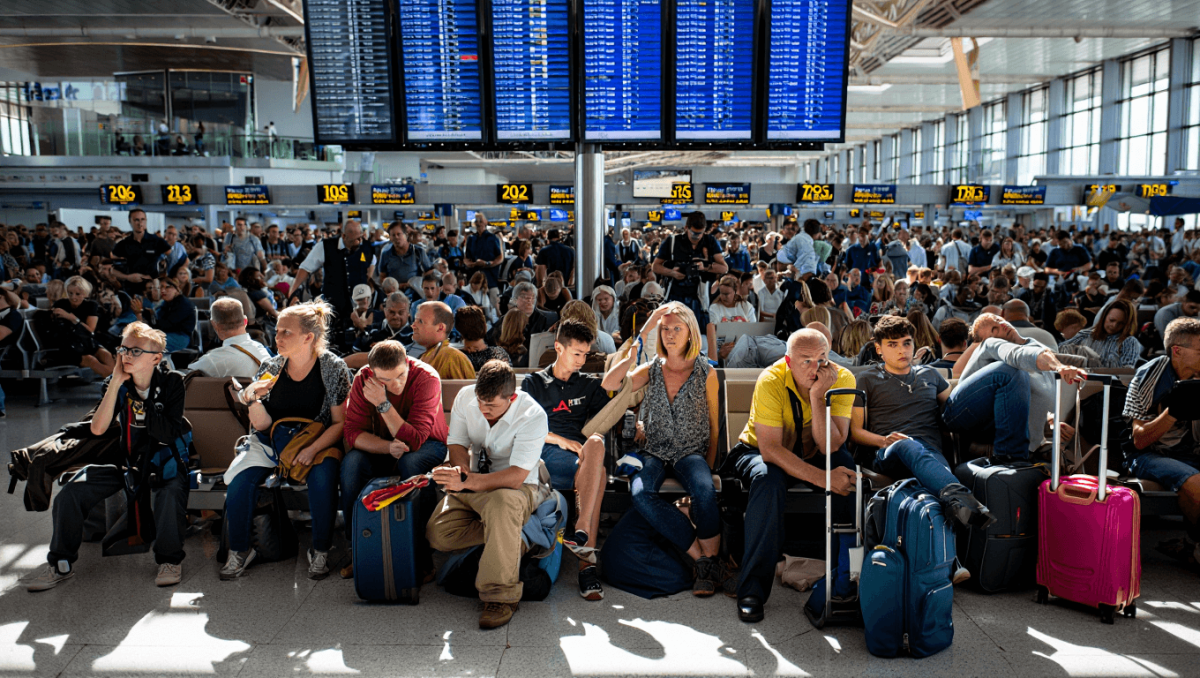
This weekend’s travel plans hit fresh turbulence as air traffic control staffing shortages and mandatory FAA flight caps combined to create a wave of cancellations and long delays at major U.S. airports. Passengers at busy hubs faced hours on the tarmac and last-minute changes, while airlines and regulators scrambled to manage shrinking capacity.
Major delays and cancellations: the numbers to know
Real-time tracking firm FlightAware reported thousands of disrupted flights by Saturday evening.
Dolly Parton cause of death revealed: family confirms she secretly battled cancer
JFK to Empire State Building: which mode of transport wins the race?
- More than 5,300 flights were delayed nationwide by 5:15 p.m. EST on Saturday.
- Planned cancellations rose past 1,200 by early evening, up from roughly 800 expected before the day.
- Since Wednesday, nearly 20,000 flights were delayed, according to FlightAware.
The Federal Aviation Administration had ordered airlines to cut flights at the country’s busiest airports. Carriers had prepared to remove about 4% of departures at 40 key hubs, a move that translated to roughly 800 cancellations heading into the weekend. But actual disruptions quickly outpaced those projections.
Airports feeling the worst effects
Passengers at large East Coast and Southeastern hubs saw the longest waits.
- Hartsfield-Jackson Atlanta (ATL) reported average ground delays exceeding 5.5 hours.
- Newark Liberty (EWR) experienced average delays approaching four hours.
- Charlotte Douglas (CLT) endured a staffing-driven ground stop for parts of Saturday morning.
- Ronald Reagan Washington National (DCA) ran into significant delays and cancellations Friday evening.
These delays rippled through carrier networks, especially at Delta and American hubs, amplifying missed connections and baggage disruptions for travelers nationwide.
Why this is happening: staffing and the shutdown
The root cause is a prolonged federal government shutdown that began Oct. 1.
- Many air traffic controllers and essential aviation staff have been working without pay.
- An increasing number of controllers have called off shifts, triggering staffing shortages at facilities nationwide.
- FAA data showed about 30 control facilities reported staffing “triggers” heading into Saturday night.
These staff gaps forced the FAA to enforce flight restrictions to keep operations safe, but the limits also reduced airport throughput and created backlog across the system.
What airlines and industry groups are saying
Carriers have been following FAA cutback directives and adjusting schedules as conditions change.
- For Sunday, airlines had already canceled roughly 930 departures in line with FAA limits.
- Projections show the coming days could bring more severe cuts—by late next week, cancellations may reach one in 10 flights at the 40 major airports affected.
Airlines for America, the trade group representing major U.S. carriers, urged lawmakers to end the shutdown. They called on Congress to reopen the government quickly, restore pay for federal workers and stabilize airspace operations.
How the disruptions affect travelers
Expect longer waits, missed connections and sudden schedule changes if you fly this weekend.
Practical impacts
- Longer layovers and rebooked flights become common when hubs lose capacity.
- Airlines may consolidate flights or change aircraft to cope with fewer departures.
- Customer service lines, both at airports and over the phone, can be overwhelmed.
Tips to reduce travel headaches
Small steps can limit the stress of a disrupted trip.
- Check your flight status directly with the airline and FlightAware before leaving for the airport.
- Arrive early; expect longer security and gate-area crowds.
- Keep travel documents and essentials in carry-on luggage in case of cancellations.
- Have flexible plans: allow extra time for transfers and use refundable or changeable tickets when possible.
- Sign up for carrier alerts and monitor airport social channels for the latest updates.
What to watch next
Without a resolution to the government shutdown, the aviation system faces continued strain. Travelers should prepare for further schedule volatility as the FAA balances safety with limited staffing.