
Show summary Hide summary
- Who is buying Letterboxd and what’s at stake
- Why the valuation matters to media and film worlds
- Other suitors who vied for the platform
- What the Times reportedly offered on governance and continuity
- Letterboxd’s growth and why buyers are interested
- How the community perceives possible ownership changes
- What’s next in the acquisition process
The indie film community is watching as Letterboxd, the film-focused social network, appears poised to change hands. Negotiations are under way that could place the platform in the hands of a major news organization, a move that would reshape its future and stir debate among its devoted users.
Who is buying Letterboxd and what’s at stake
Sources say The New York Times Company has entered exclusive talks to acquire a controlling stake in Letterboxd. The deal is reported to value the site at around $330 million. Talks are not yet final and could still collapse.
Tony Shalhoub avoided Hollywood spotlight: daughter reveals surprising reason
Pixar promotes Jonathan Garson to president: Jim Morris retires
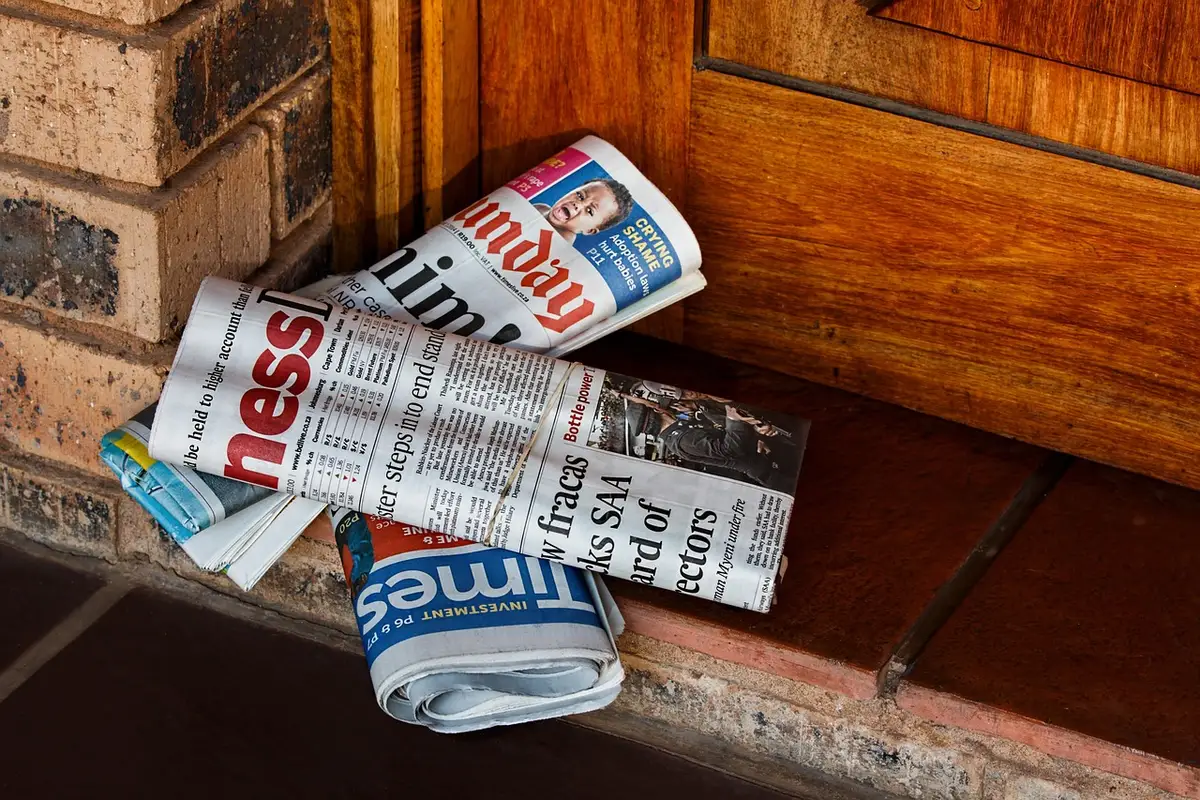
- Buyer in focus: The New York Times Company.
- Seller: Tiny, the Canadian public company that owns the majority stake.
- Price tag: Reported at about $330 million, a sharp rise from past valuations.
Why the valuation matters to media and film worlds
The reported price is striking compared to earlier estimates. Tiny paid for a majority interest about a year ago when Letterboxd’s valuation was far lower. The new figure implies intense demand for platforms that connect passionate audiences with cultural coverage.
How the numbers line up
- Reported valuation: $330 million.
- Projected 2026 earnings mentioned in reports: roughly $15 million.
- That multiple suggests buyers see strategic value beyond current profits.
Other suitors who vied for the platform
Several industry players evaluated Letterboxd before talks narrowed. Film studios, independent distributors, and media brands all showed interest. Two names stood out publicly: Sony Pictures Entertainment and A24.
- Sony has been expanding into film culture spaces and sought the platform.
- A24 reportedly entered late-stage discussions and pitched retaining Letterboxd’s independence.
- Private equity firms and tech executives also reviewed the opportunity.
What the Times reportedly offered on governance and continuity
Negotiations have included assurances about keeping the site’s identity intact. Reports say The New York Times has discussed retaining the founders and allowing them to continue shaping the product. That could smooth the transition for a community wary of change.
- Founders named in reports: Matthew Buchanan and Karl von Randow.
- They would reportedly report to a Times executive if a deal closes.
- The promise: keep the platform’s voice and business model largely unchanged.
Letterboxd’s growth and why buyers are interested
The platform has grown into a notable hub for movie lovers. Its mix of personal logs, lists, and short-form recommendations has struck a chord with younger audiences. The site’s viral features have increased visibility and created cultural cachet.

Key numbers and features
- User base: around 26 million accounts, per company communications.
- Paid subscriber count: not publicly disclosed.
- Popular features: the “Four Favorites” format and celebrity public profiles.
- Commercial experiments: a Letterboxd Video Store offering digital rentals.
- Planned additions: promised TV logging capability that hasn’t yet launched.
How the community perceives possible ownership changes
Members and creators worry about shifts in culture or product direction. Many value Letterboxd for its independent voice and curated feel. Any new owner will face scrutiny over content moderation, data practices, and monetization.
- Fans watch for changes to the user experience.
- Creators look for support for editorial and discovery features.
- Industry observers note the platform’s role in amplifying small films.
What’s next in the acquisition process
Letters of intent and exclusivity periods typically precede formal agreements. If terms are reached, regulators and shareholders may review the transaction. Until contracts are signed, nothing is certain.
Market watchers expect continued attention from media outlets and film insiders as details emerge and the community reacts.