Show summary Hide summary
- Why Chemnitz is suddenly in the spotlight
- From Karl-Marx-Stadt to creative reuse
- Historic corners worth planning time for
- Castles, monuments, and photo ops
- When and how to enter: travel documents and rules
- Costs and budgeting for a weekend break
- Safety: what travelers should know
- Nightlife, clubs, and the local scene
- How to plan your visit and what to prioritize
If you want a German city that blends genuine medieval charm, gritty industrial reinvention, and low prices, Chemnitz should be on your radar. Once overlooked, this Saxony hub is quietly drawing visitors who want authentic history, repurposed factories, and lively local culture without the crowds.
Why Chemnitz is suddenly in the spotlight
Chemnitz has shed its anonymous tag and started attracting travelers in droves. The city saw a remarkable tourism jump in recent years. In 2025 it logged roughly 743,000 overnight stays, a near 24% rise from the year prior. That increase helped secure the city a slot as one of the European Capitals of Culture for 2025.
German cultural city breaking tourism records: medieval sights, $4 beer and fewer crowds
Chris Hemsworth’s beach retreat targeted by burglars: three cars stolen
The title brought attention to Chemnitz’s contrasts. You’ll find restored medieval streets next to bold, repurposed industrial blocks. The city’s postwar history and East German past give it an edge few other German destinations share.
From Karl-Marx-Stadt to creative reuse
Under the GDR, Chemnitz was renamed Karl-Marx-Stadt. Its industrial base fueled the region for decades.
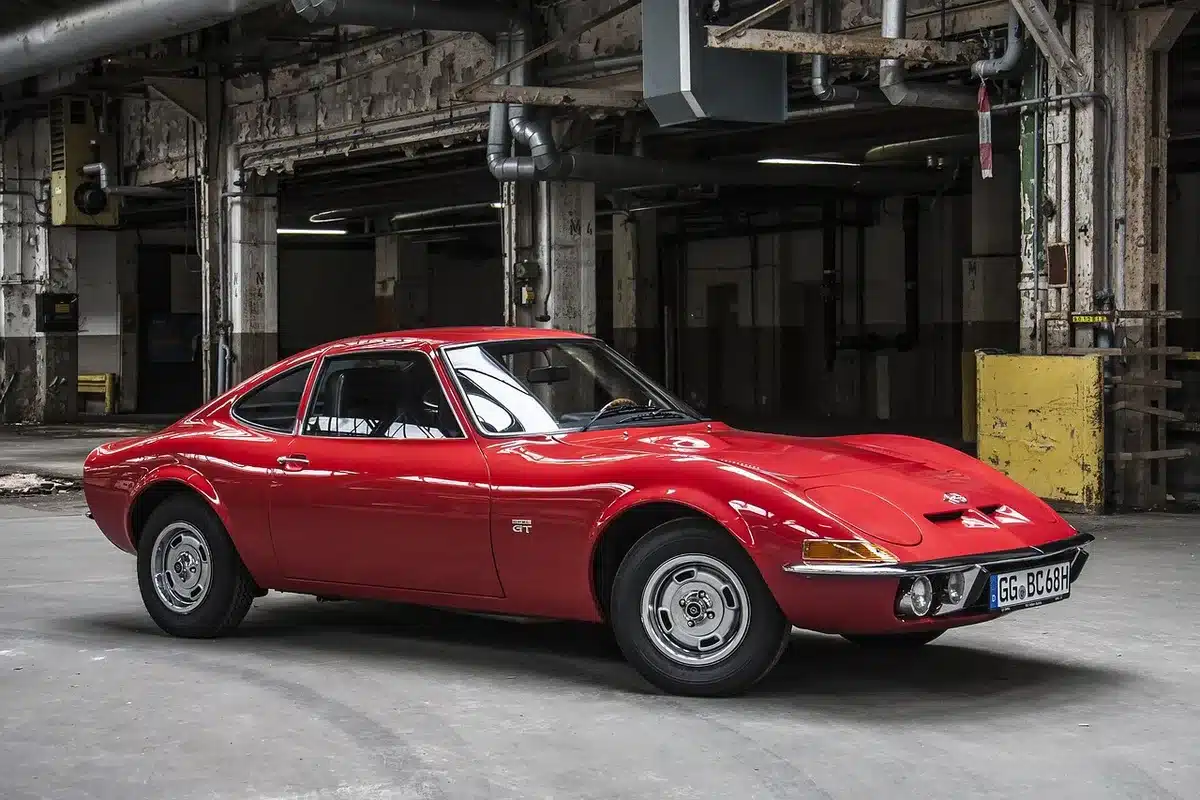
Many of those industrial sites did not disappear. Instead, several have been transformed into cultural hotspots. Wirkbau is a standout example. A former textile machinery plant, it now contains studios, cafés, and creative businesses.
Another reinvention is Weltecho. What was once a Chamber of Technology now hosts exhibits, indie film nights, and weekend club events. These conversions give Chemnitz a raw, artsy undercurrent.
Historic corners worth planning time for
Chemnitz doesn’t have one giant preserved Old Town. It has several charming pockets. Each offers a distinct mood, and all are easy to explore on foot.
Innenstadt and Market Square
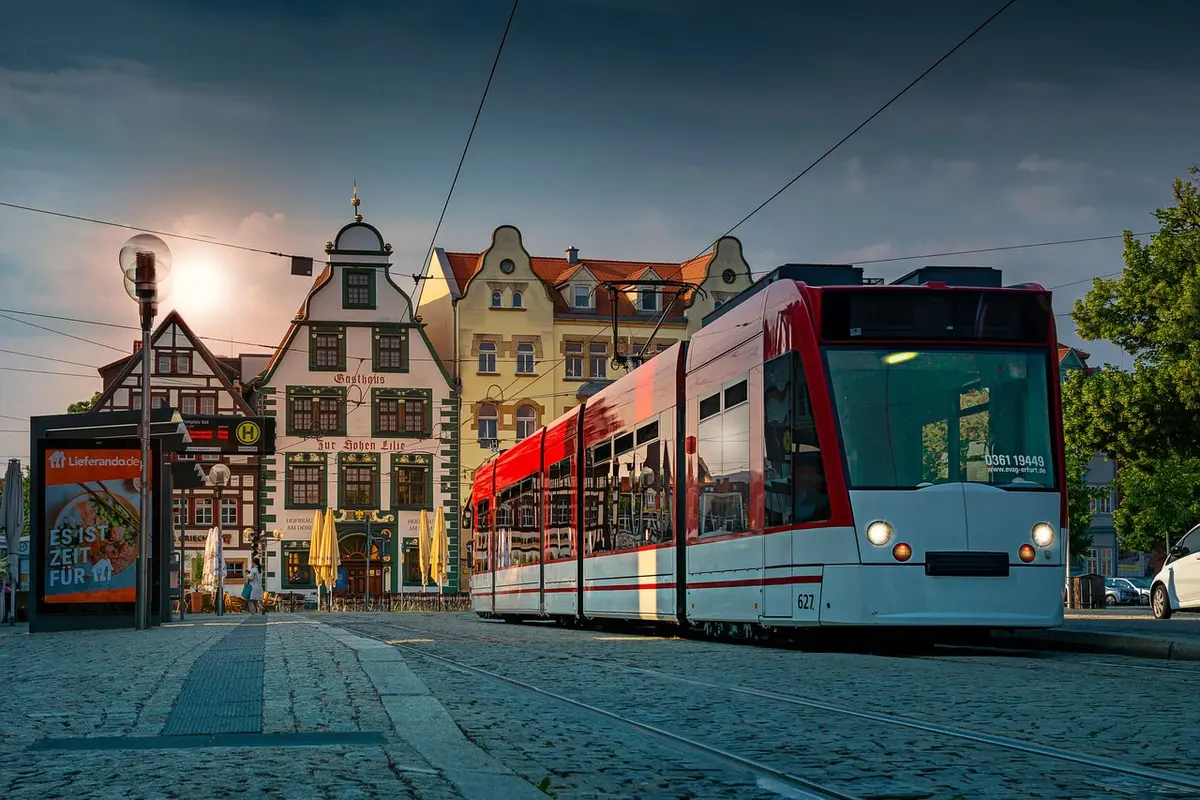
The pedestrian heart blends medieval fragments with Baroque facades. Market Square is the natural starting point. You’ll find the Old and New Town Halls and the pink Siegert House here.
- Jakobikirche: a Gothic hall church dating back to the 14th century.
- Red Tower: a 35-meter medieval watchtower with roots in the 12th century.
- Kunstsammlungen: an art museum near Theaterplatz worth a modest admission fee.
Schlossberg’s monastery atmosphere
Schlossberg is quieter and more cloister-like. The area grew around a Benedictine monastery founded in the 12th century. Cobblestone lanes and timbered houses make it one of the most atmospheric parts of the city.
Just below the church you can find Kellerhaus, one of the oldest pubs. Expect hearty Saxon food and affordable pints from local brewers such as Einsiedler.
Kaßberg: Art Nouveau and cellars
Kaßberg is the best neighborhood for a slow wander. It hosts an extensive collection of Art Nouveau and Gründerzeit buildings. Look for ornate balconies, tiled facades, and quiet garden squares.
Under the streets lies a network of vaulted cellars used historically for storage. Guided tours reveal those passages and the old storage culture.
Castles, monuments, and photo ops
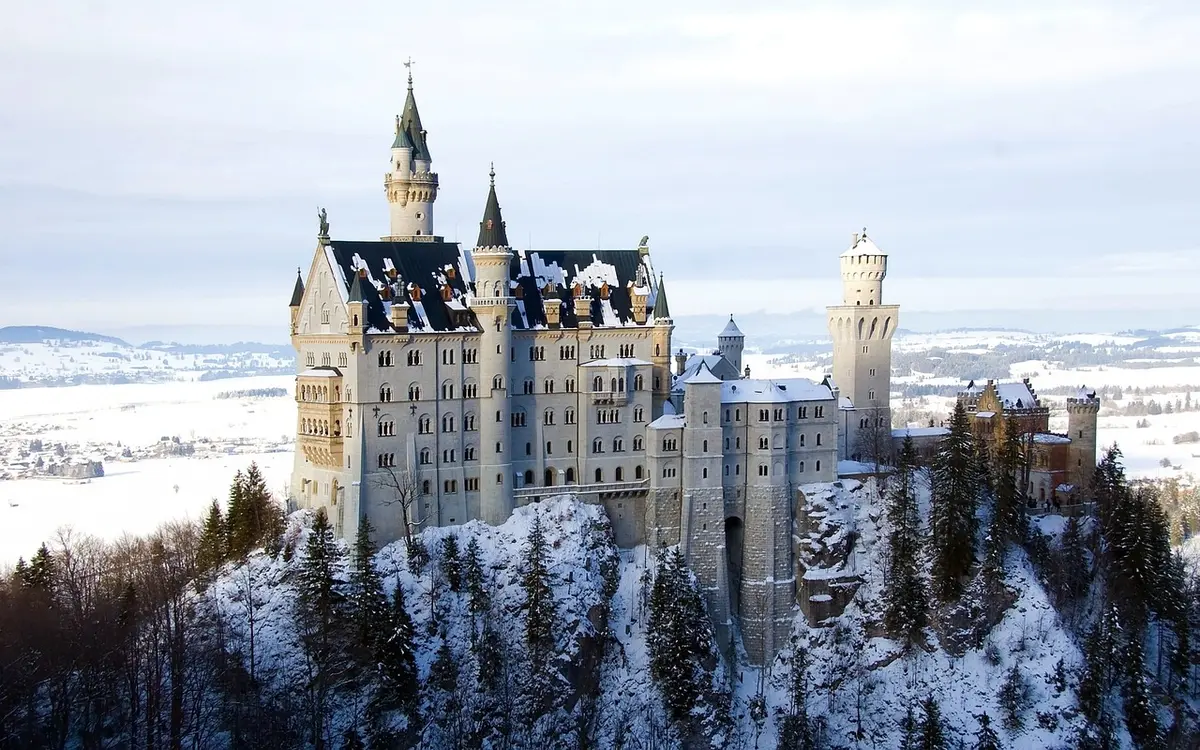
Outside the center, a short tram and bus ride takes you to Burg Rabenstein. Locals call it the smallest castle in Saxony. It’s compact, storybook in scale, and offers a close-up of medieval rooms and defenses.
Near Innenstadt you can also stop at the large Karl Marx Monument. It remains a divisive but striking landmark and a frequent subject for photos.
When and how to enter: travel documents and rules
Germany is in the Schengen Area. For U.S. passport holders, travel remains visa-free for stays up to 90 days in any 180-day period. However, new systems are changing how entry is processed.
- Schengen’s Entry/Exit System now uses biometric records at external borders.
- The planned ETIAS travel authorization, expected around 2027, will add a pre-travel clearance step for many non-EU visitors.
- Always confirm current rules before booking. Requirements can change.
Costs and budgeting for a weekend break
Chemnitz ranks as one of the more budget-friendly major cities in Germany. Expect lower prices across food, transport, and sightseeing than in Berlin or Munich.
- Meal at an inexpensive restaurant: about $17
- Three-course dinner for two: around $67
- Half-liter draft beer: roughly $4.50
- Cappuccino: about $4
- Budget hotel per night: near $90
- Single public transport ticket: $3.70
- Day pass for transport: $7.40
- Museum entry: about $9–$11
- Burg Rabenstein admission: around $9–$10
If you plan to visit the main paid sights, five admissions will likely cost about $42 total. Daily expenses remain comfortably low.
Safety: what travelers should know
Chemnitz is generally safe for visitors. In national safety rankings, Germany tends to score highly. Still, standard precautions make sense.
- Watch for petty theft in busy stations and tourist spots.
- Avoid poorly lit areas late at night. The central train station can feel less inviting after hours.
- Political demonstrations have occurred in the region. Steer clear of rallies or heated protests.
Stick to Innenstadt, Kaßberg, and Schlossberg by day. That simple approach reduces most risks.
Nightlife, clubs, and the local scene
Chemnitz’s after-dark personality mixes traditional taverns with underground music. Expect local beers, hearty cuisine, and inventive club nights.
Transit Club is a memorable venue. It occupies an old railway station and uses the stripped-back industrial setting to create a raw dance floor vibe. For live or indie scenes, Weltecho is a reliable pick.
For classic Saxon food and beer in a brewery-like setting, check out Turm-Brauhaus. Dishes such as Sauerbraten pair well with the local brews.
How to plan your visit and what to prioritize
Plan to split time between historic pockets and the industrial-cultural quarter. Here are quick priorities for most visitors:
- Stroll Market Square and the Innenstadt lanes.
- Visit the Red Tower and Jakobikirche.
- Explore Wirkbau and Weltecho for creative spaces.
- Walk Kaßberg to admire Art Nouveau architecture.
- Take public transit out to Burg Rabenstein for a castle experience.
Trams and buses are convenient. A day pass is affordable and practical if you plan multiple short trips.