Show summary Hide summary
- How the State Department Alert Affects Holiday Trips
- Crowds and Markets: What Travelers Actually Face
- Flights, Hoaxes, and Transit Strikes: Expect Delays
- Practical Safety Steps to Use Before and During Your Trip
- Apps, Documents, and Tools Every Traveler Should Carry
- Simple Behavior Changes That Reduce Risk Immediately
- How to Build a Flexible Itinerary That Withstands Disruptions
- Resources and Where to Get Official Updates
Millions of travelers plan to chase twinkling lights and steaming cups of mulled wine across Europe this winter. But a fresh U.S. State Department advisory issued November 13, 2026, urges Americans to travel with caution. The notice flags heightened risks at crowded holiday venues and transport hubs, and it outlines practical steps to reduce your exposure while you enjoy the season.
How the State Department Alert Affects Holiday Trips
The advisory is broad, covering multiple countries and common travel hotspots. It’s based on current intelligence, not rumor. Officials say large gatherings present increased risk. That includes festivals, religious services, and transit bottlenecks.
U.S. urgent travel warning: what Americans heading to Europe this winter need to know
Britney Spears breakup: Justin Timberlake reveals rare, emotional details
- High-traffic public events: outdoor markets, light displays, and seasonal fairs.
- Transit locations: airports, major train stations, and bus terminals.
- Commercial zones: busy shopping streets and malls during holiday sales.
- Places of worship: churches and cathedrals hosting special services.
You should expect more visible security in many cities. Uniformed police and military personnel will be present at popular sites. Their role is deterrence, not alarm.
Crowds and Markets: What Travelers Actually Face
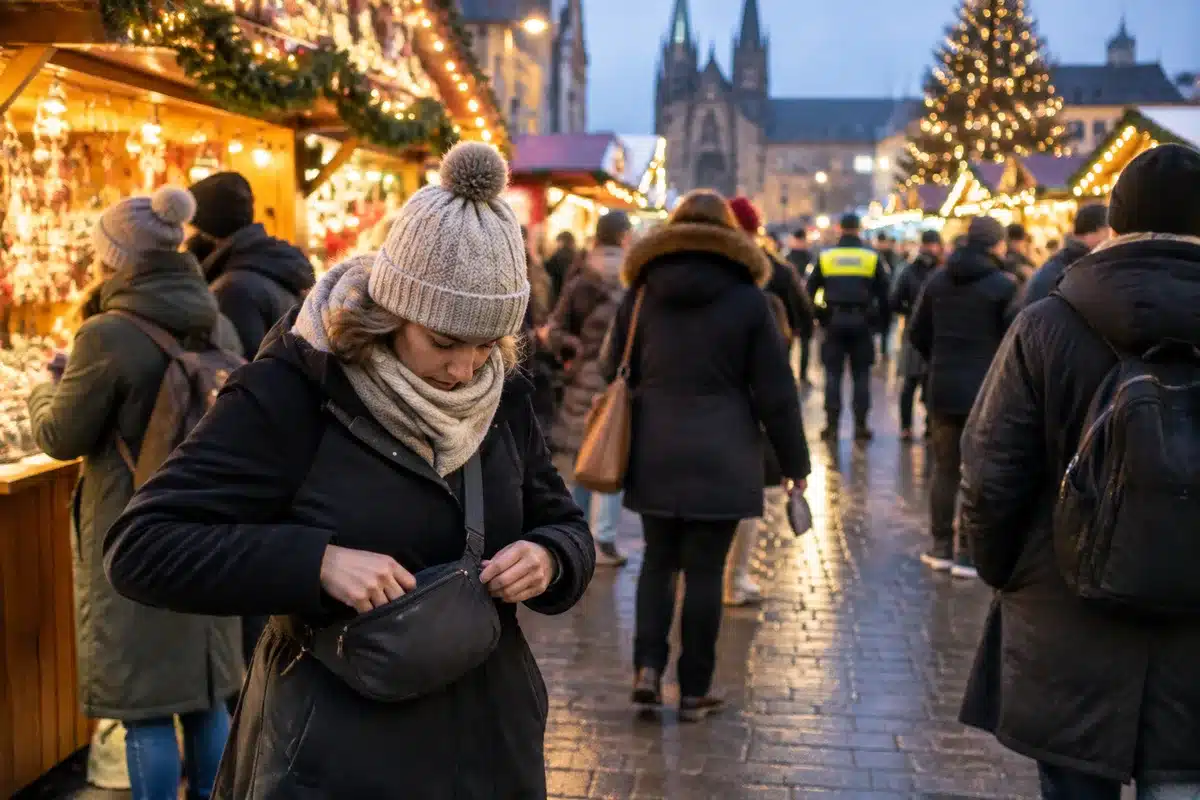
Christmas markets are irresistible for many visitors. The scents, the stalls, and the crowds create a festive atmosphere. But crowded scenes also create opportunities for petty criminals.

Pickpocketing remains the top complaint
Organized theft groups often target distracted tourists. They look for easy marks: open bags, phones in hand, wallets in back pockets. The threat is common and preventable.
- Keep wallets and phones zipped and secured.
- Prefer a crossbody bag worn close to your chest.
- Divide cash and cards between secure locations.
- Leave passports in hotel safes; carry photocopies.
Small changes in habit drastically reduce theft risk. Stay alert when photos, food, and shopping distract you.
Flights, Hoaxes, and Transit Strikes: Expect Delays
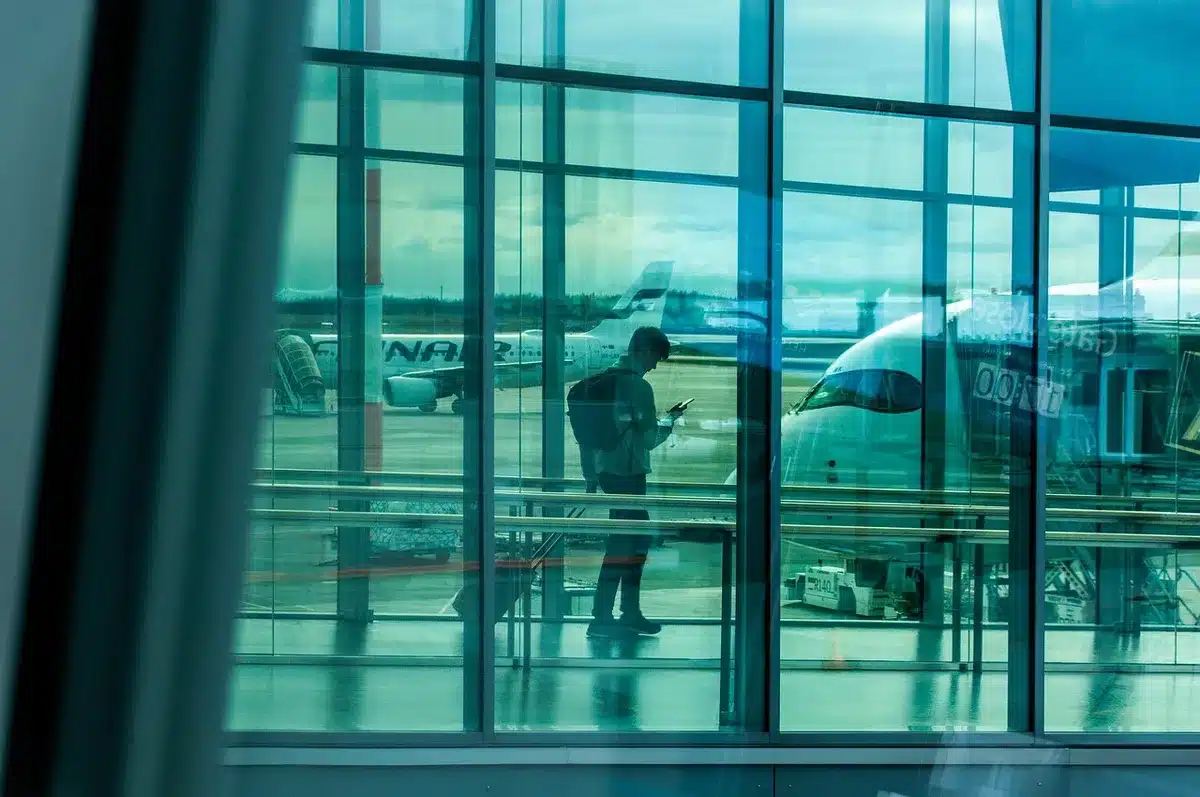
The advisory also highlights disruptions that can derail plans. In November 2026, several hoax bomb threats affected European aviation. Those incidents triggered delays and mid-air diversions.
Labor actions add another layer of chaos
Transport strikes and large protests are common across the continent this season. Train work stoppages and demonstrations can block major routes at short notice.
- Check your airline status before leaving for the airport.
- Consider flexible tickets or travel insurance that covers delays.
- Identify alternate routes: regional buses, rideshares, and private transfers.
Plan for friction. A travel day that normally takes two hours can easily double during strikes or security alerts.
Practical Safety Steps to Use Before and During Your Trip
Preparing before you go cuts stress and risk. The U.S. government and experienced travelers recommend several simple actions.
- Register with STEP: the Smart Traveler Enrollment Program sends safety notices and helps the embassy find you in an emergency.
- Monitor local advisories: follow local news and embassy alerts for real-time updates.
- Keep a low profile: avoid conspicuous national apparel and loud behavior in crowded spaces.
- Avoid demonstrations: even peaceful protests can become chaotic unexpectedly.
When you feel uneasy, move away. Trust your instincts. Reporting suspicious activity to local authorities helps protect others as well.
Apps, Documents, and Tools Every Traveler Should Carry
Digital tools make travel safer and more predictable. Build a small toolkit on your phone before you leave home.
- Travel advisory checker: verify country-level guidance and safety levels.
- Entry requirement tool: confirm visa, ETA, or testing rules for each stop.
- Local transport apps: download rideshare and regional bus apps, and save offline maps.
- Emergency contacts: store embassy numbers and local emergency services.
Also keep scanned copies of important documents in a secure cloud folder. That includes your passport, insurance policy, and printed emergency contacts.
Simple Behavior Changes That Reduce Risk Immediately
Small habits protect you more than dramatic precautions. Travelers who adapt see fewer problems and enjoy the trip more.
- Wear a zipped crossbody bag instead of an open tote.
- Use a money belt when crowds become dense.
- Limit what you carry daily; leave nonessentials locked at your lodging.
- Split cash and cards between two secure places.
Editor’s tip: only carry the cash and cards you need for the day. Lock passports in hotel safes.
How to Build a Flexible Itinerary That Withstands Disruptions
Design your plans with alternatives. Flexibility prevents wasted days and missed flights.
- Check weather, strike, and security forecasts 48 hours before travel.
- Book refundable or changeable transport when possible.
- Identify backup accommodation near major transit hubs.
- Hold an extra travel day for important connections or events.
Contingency planning saves time and money. You’ll travel with more confidence when you know fallback options.
Resources and Where to Get Official Updates
Rely on verified sources for your safety decisions. Rumors and social media can amplify false alarms.
- U.S. State Department travel advisories and local embassy pages.
- Official carrier notifications for flight status.
- Local law enforcement channels and national transport authorities.
- Trusted travel communities and news services for on-the-ground reports.
Keep notifications enabled for key apps and enroll in embassy alerts to receive urgent messages.